Last updated November 22, 2026
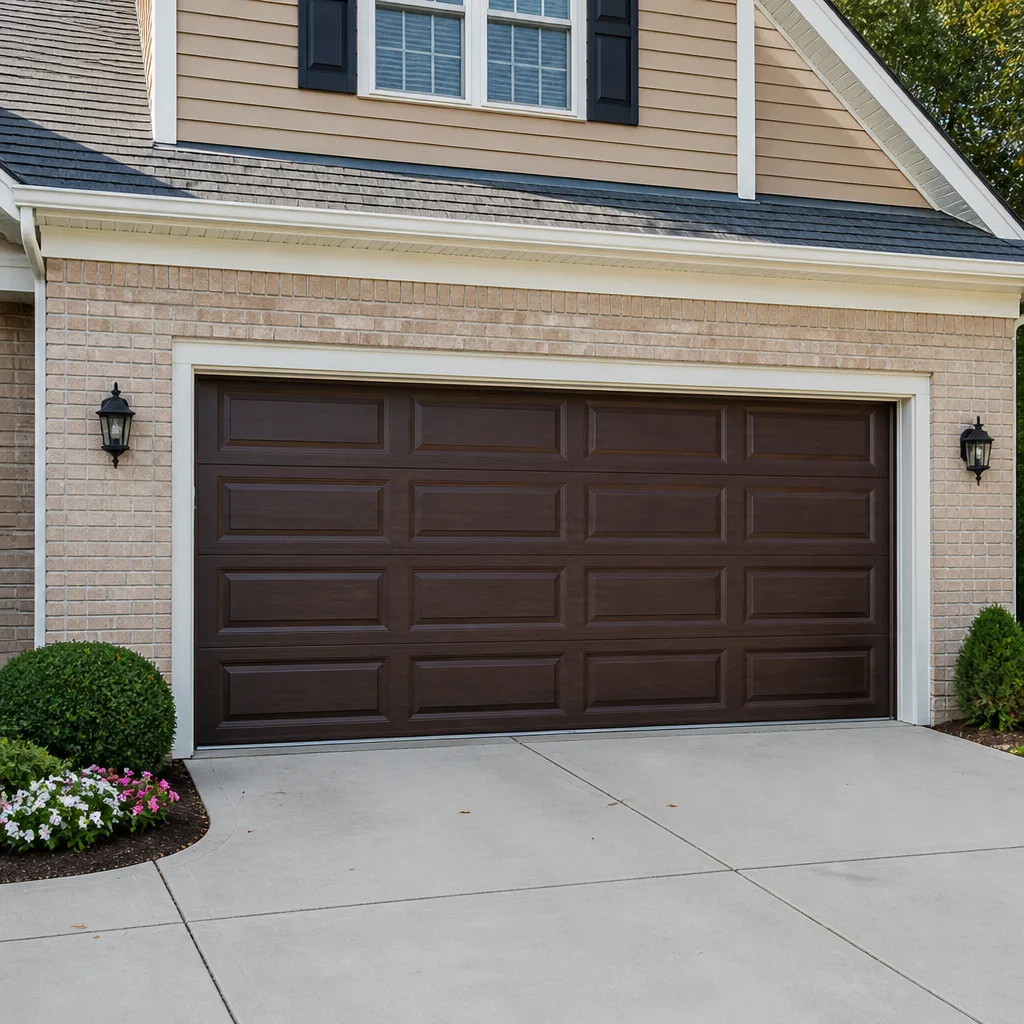 Raised-panel steel
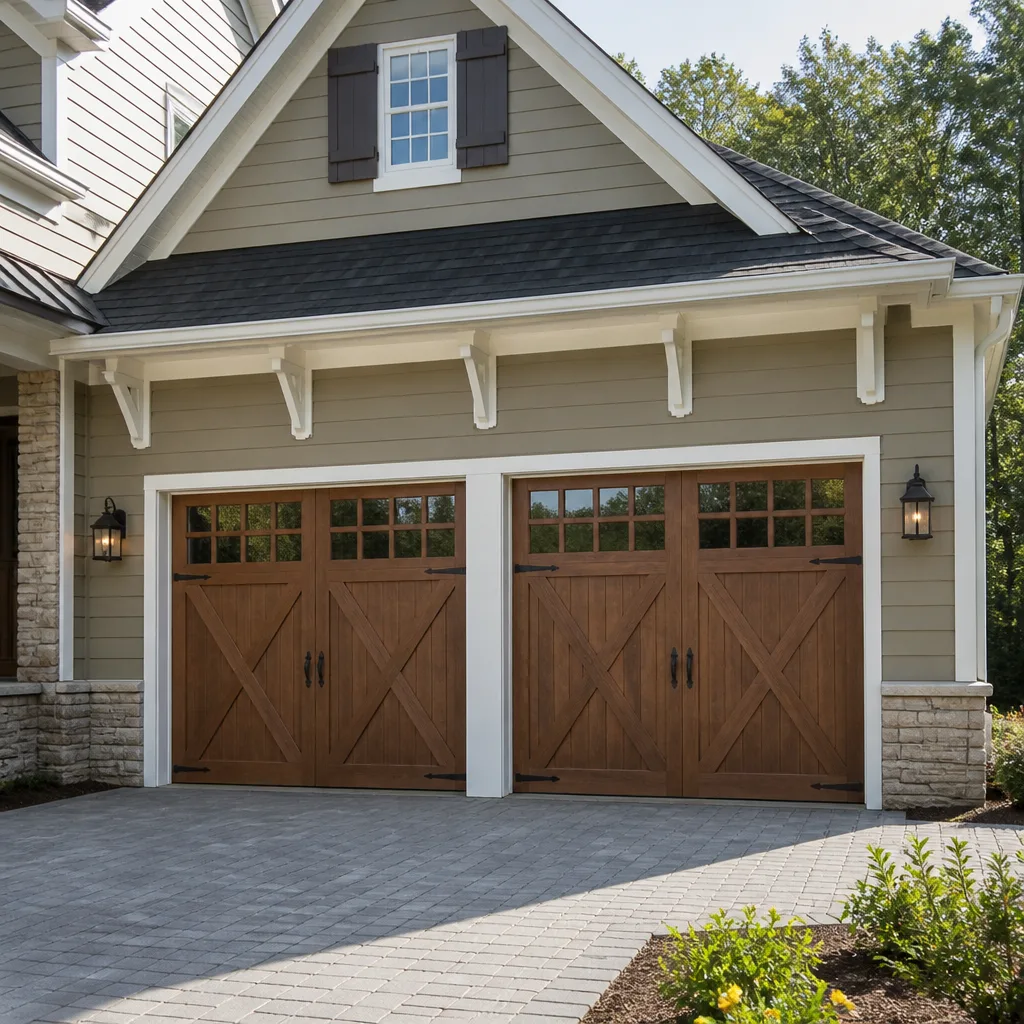 Carriage house
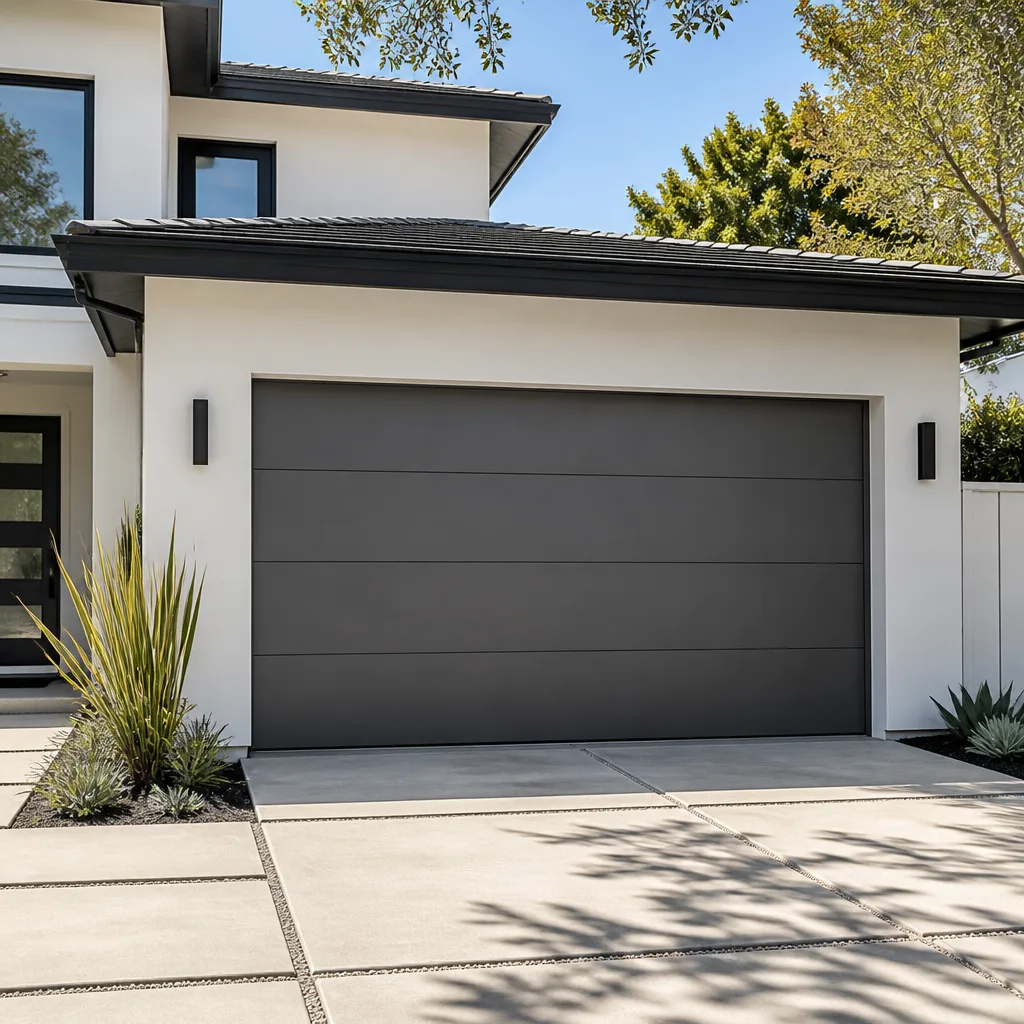 Modern flush
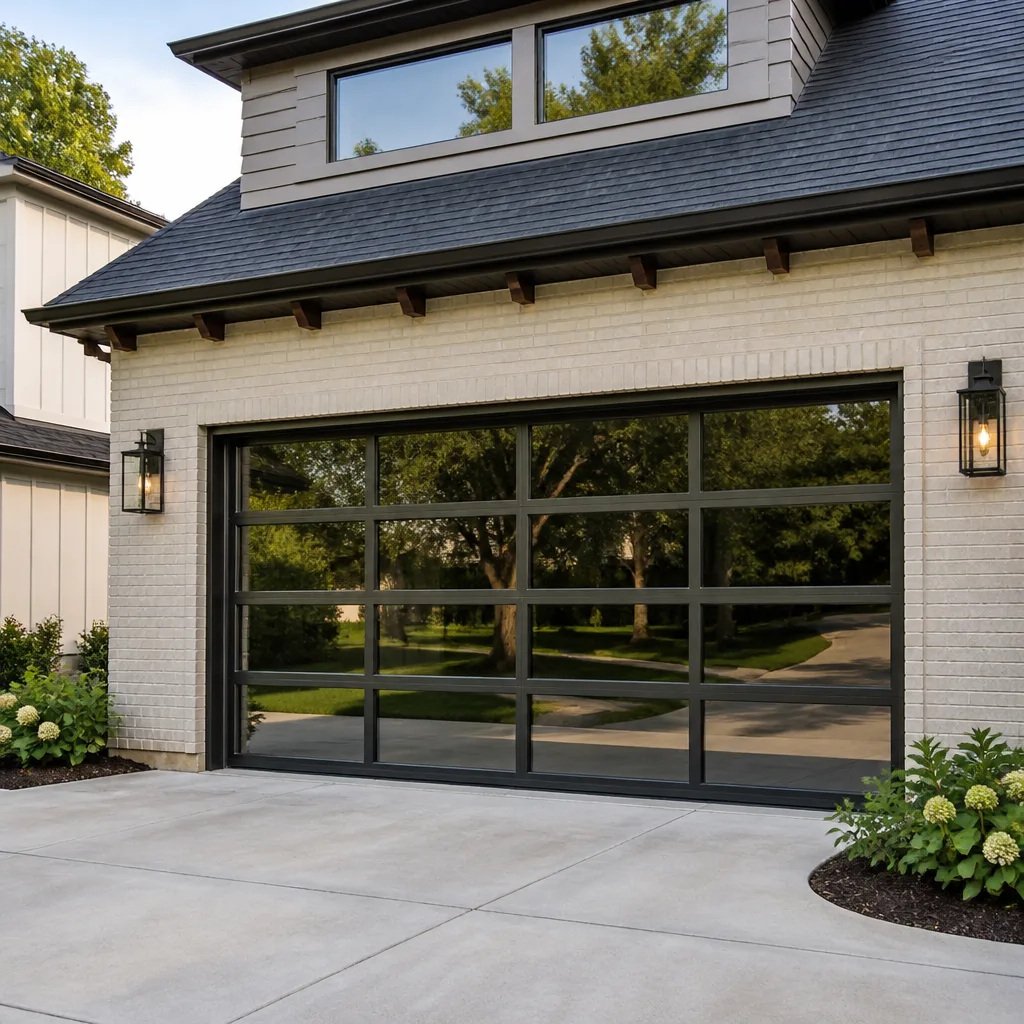 Full-view glass
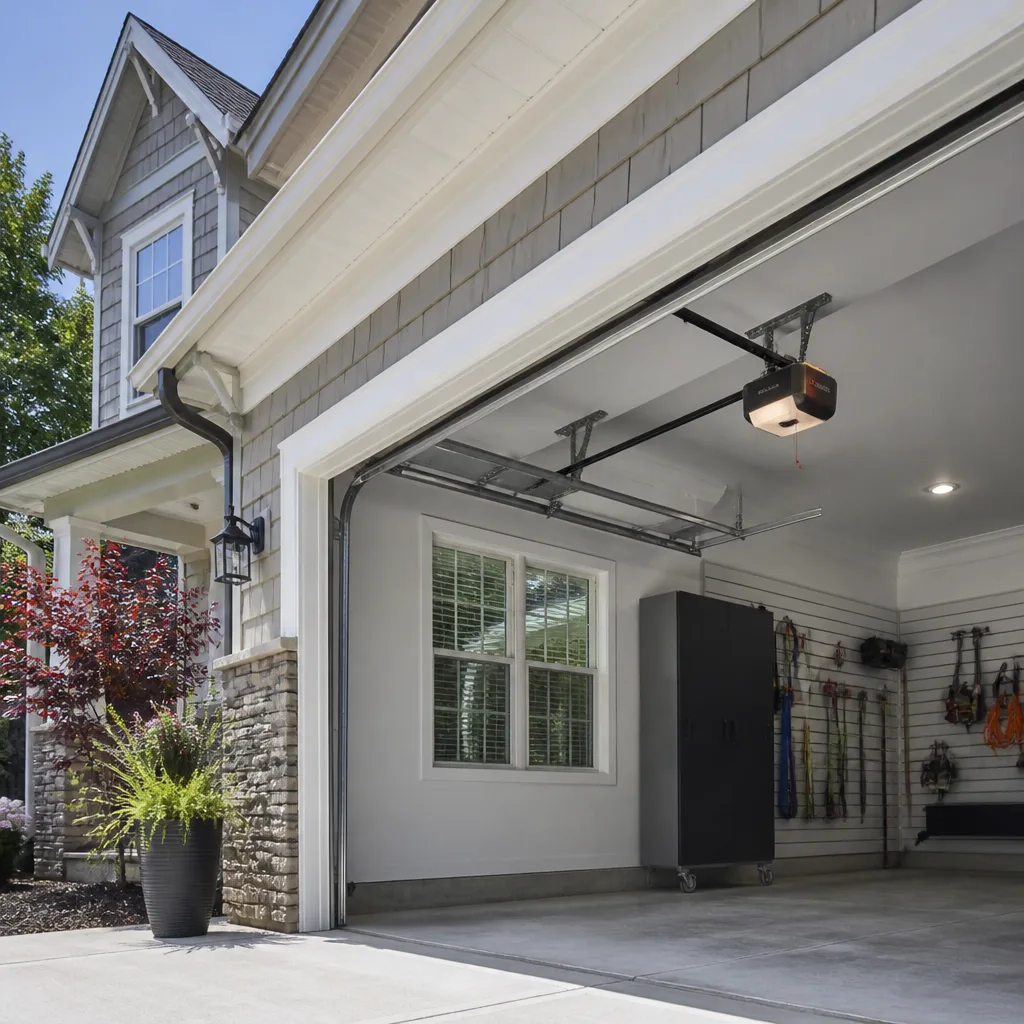 LiftMaster openers
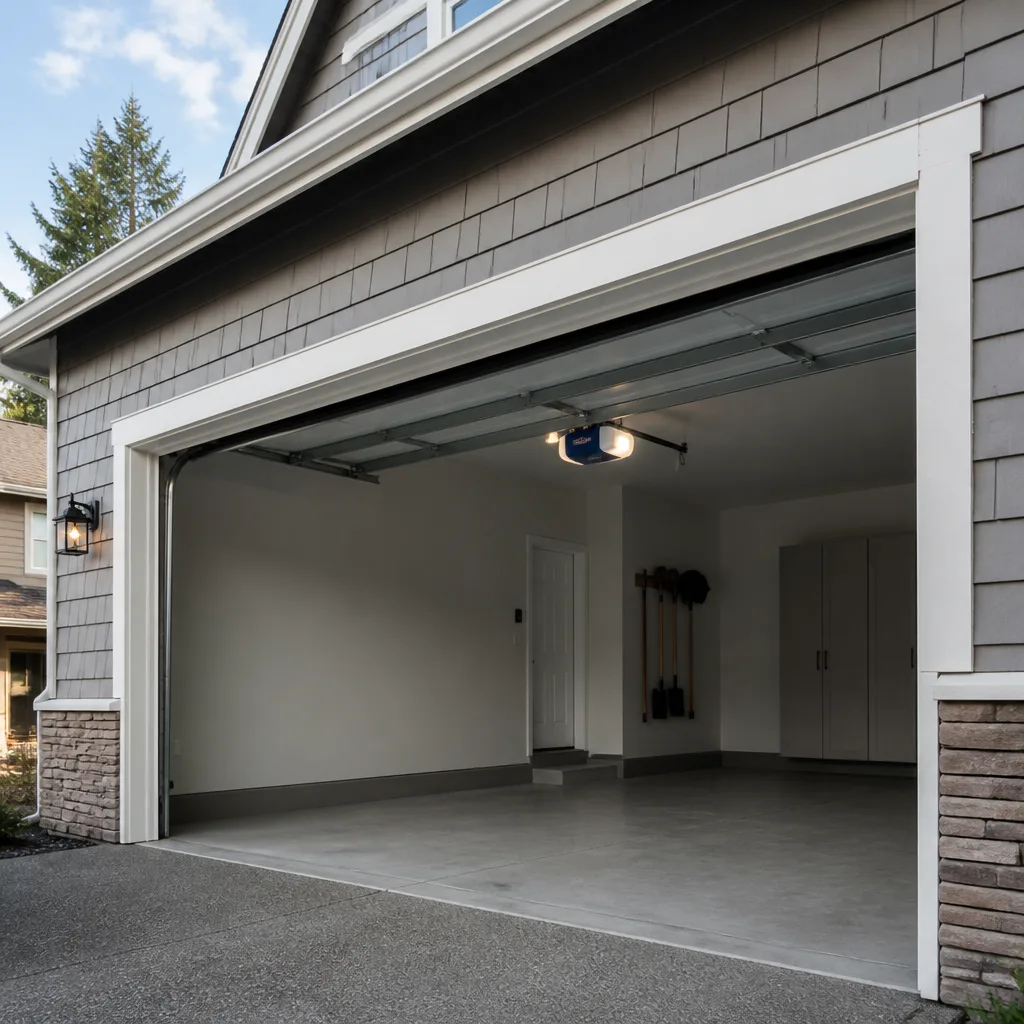 Chamberlain openers
Full 25-point door and opener safety check with every visit - springs, cables, rollers, tracks, and your LiftMaster or Chamberlain opener included
You get a price before we start. It does not change when the pro arrives.
Get your free estimateGarage Door Warning Signs: A Strongsville Homeowner’s Reference Guide
A grinding noise and a scraping noise sound almost identical through a garage wall, but they point to very different problems. One is often a tired roller or a dry hinge, a small fix that keeps the door running smoothly. The other can be a frayed cable that’s one cycle away from letting go. The mistake most Strongsville homeowners make is treating every odd sound the same way, either ignoring all of them or panicking at all of them. This guide decodes the specific sounds, movements, and visual clues your door gives off before something fails, so you know which signs mean “schedule service soon” and which mean “stop using the door right now.”
Quick Answer
Garage door warning signs fall into three groups: sounds (grinding, squealing, popping, clunking), movement problems (uneven travel, jerking, slow response), and visual cues (gaps in the spring coils, frayed cables, bent tracks, worn rollers). Signs that mean stop using the door immediately include a visible gap in a torsion spring, a snapped or dangling cable, and a door that comes down too fast or won’t stay up. Everything else is usually safe to watch for a day or two while you book a repair.
Styles & brands we work with
- Raised-panel steel
- Carriage house
- Modern flush
- Full-view glass
- LiftMaster openers
- Chamberlain openers
Table of Contents
- How Does Your Garage Door Tell You Something Is Wrong?
- What Does Each Garage Door Sound Actually Mean?
- How Can You Tell a Garage Door Spring Is Nearing Failure?
- Why Is Your Garage Door Moving Unevenly?
- What Are the Warning Signs of a Failing Garage Door Opener?
- When Should You Stop Using Your Garage Door Immediately?
- Which Warning Signs Can You Watch and Which Need a Repair Call?
- How Does Strongsville Weather Shorten a Garage Door’s Life?
How Does Your Garage Door Tell You Something Is Wrong?
A garage door warns you through its behavior, not just its appearance. The most reliable way to catch a problem early is to pay attention to how the door sounds, how it moves, and how it looks during a normal open-and-close cycle. When something changes, that change is the signal.
We’ve found that most Strongsville homeowners notice a change long before the door actually stops working. They just aren’t sure whether the change matters. Here’s how to run a five-minute check on your door without touching any of the moving parts:
- Stand back and watch the full cycle. Watch the door open and close from a few feet away. Does it move smoothly, or does one side lag behind the other? Does it shudder at any point?
- Listen with the door closed. Run the opener and listen from inside the garage. Grinding, squealing, popping, and clunking each have a distinct cause.
- Look at the door’s resting position. A closed door should sit flush with the floor and the opening should look even on both sides. Gaps or a tilt tell you something is off.
- Check the springs and cables by eye, from a safe distance. You’re looking for frayed cable strands, a visible gap in the spring coil, or anything hanging loose. Don’t reach up or try to move these components.
- Test the opener’s response. Press the wall button and time how long the door takes to start moving. A delayed response points to the opener rather than the door.
That five-minute check tells you more about the health of your garage door than almost anything else. If you want a professional opinion on what you’re seeing, our Strongsville Garage Door Repair Pros page is a good place to start.
What Does Each Garage Door Sound Actually Mean?
Each sound comes from a different part of the system, which means you can often narrow down a problem just by listening. Here’s the breakdown we give Strongsville homeowners when they call after hearing something new:
- Grinding: Usually a dry or worn roller or hinge, or a roller that’s jumped its track. Grinding that starts suddenly and continues throughout the cycle is worth checking right away. This is often the cheaper of the two “scraping” sounds and the one people worry about unnecessarily.
- Scraping: Often a sign the door is rubbing against the track or frame because a roller has failed or the door has shifted. If the scraping is paired with a visible gap in the spring or a loose cable, stop using the door and call a technician.
- Squealing: Typically dry moving parts, worn bearings, or a roller that needs replacing. Squealing alone is rarely dangerous. It’s more of a “book a service call this week” signal.
- Popping: A single sharp pop at the start or end of travel can point to a spring under stress, a loose panel, or a hinge pulling free. If it repeats and sounds heavier over time, get it checked.
- Clunking: A heavy knock, often when the door hits the floor or the top of the opening, suggests the opener’s limit settings are off, or a track or bracket has loosened.
- Rattling: Usually loose hardware, or a panel that’s worked slightly loose. Less urgent, but worth tightening before it becomes a bigger issue.
One detail to keep in mind: a grinding noise that starts on day one of a cold snap can be simple contraction of metal parts. A grinding noise that’s been building over several weeks is more likely a worn roller or hinge. If a sound persists for more than a few days, that’s your cue to call. Our technicians have up to 8 years of experience, and a quick phone call is often enough to tell you whether the noise is worth a visit.
How Can You Tell a Garage Door Spring Is Nearing Failure?
Torsion springs near the end of their life in ways you can spot, often weeks before they break. A torsion spring carries an enormous amount of tension, so these are visual checks only, from a safe distance. Do not touch, prod, or try to move a spring under any circumstances.
Here’s what to look for:
- A visible gap in the coil. If the coiled spring appears to have a gap somewhere along its length, or looks like two separate pieces, it has failed and should not be operated by the opener.
- Rust or heavy corrosion on the coils. Strongsville’s winter road salt tracks into the garage, and that salt works its way onto the spring and cables. Rust weakens the steel over time.
- Uneven lifting. If the door opens but feels heavy or one side lags, one of the two springs has likely weakened even if it hasn’t snapped yet.
- Slack in the door. A door that used to stay halfway open on its own but now drifts down is telling you the springs are losing tension.
Springs are one of the most dangerous parts of a garage door to handle, and this isn’t a job for a homeowner or a general handyman. The correct tools and training matter here more than on almost any other fix. When we assess a spring in Strongsville, the goal is the same as always: to tell you whether the spring is genuinely near failure, or whether the door just needs a minor adjustment.
Why Is Your Garage Door Moving Unevenly?
An uneven door is telling you it has a problem, but uneven movement could be a cable issue, a spring issue, or a track alignment issue. Here’s how to read the difference:
- Check the cables for slack or kinks. If one cable looks noticeably looser or has a kink, that side is likely being overloaded. A cable with frayed strands is close to snapping and means stop using the door.
- Check the tracks for bends or misalignment. From a safe distance, look for a visible bend at the top or bottom of the track. A track that’s been bumped or hit by a car is a common cause of a door that won’t sit straight.
- Watch the door while it moves. A door that moves up smoothly but comes down with a jolt may have an opener limit problem. One side lagging throughout the whole travel points more toward a spring or cable.
- Look at the gap at the floor. A closed door with a gap on one side, or a tilt in the panels, is telling you the door is out of balance.
Roll out the uneven-door issue and you’ll usually find one of two culprits: the cables on one side have stretched or slipped, or the springs aren’t doing equal work. Either way, the door is under uneven tension, which is the scenario that turns a minor repair into a much larger one. If the door also makes a loud pop or bang during a cycle, stop running it and call for a professional assessment. Uneven travel is also worth checking against your garage door repair options so you know what’s likely involved.
What Are the Warning Signs of a Failing Garage Door Opener?
Your opener has its own set of warning signs, and they often show up before the door itself starts misbehaving. We work with the major brands every day, including LiftMaster, Chamberlain, and Genie, and the signs are consistent across all of them.
- Delayed response to the wall button or remote. A door that used to start moving immediately but now takes a second or two can indicate a failing logic board or motor, not a problem with the door itself.
- The door reverses mid-travel for no obvious reason. This can mean the safety sensors are out of alignment, but if the sensors look fine, the opener’s circuit board may be failing. Don’t ignore intermittent reversing.
- Slow or labored movement. If the opener sounds like it’s working harder than usual to lift the door, the door may have become heavier (spring issue) or the opener’s motor may be losing power.
- Wall button lag or no response at all. If the wall button works but the remote doesn’t, it’s usually a remote battery or programming issue. If neither works, or the opener hums without moving, the opener likely needs a professional repair.
- Flickering lights or random functioning. Intermittent behavior is often a sign of a wire problem or a failing board. Worth getting checked before it stops working entirely.
If your opener is showing any of these signs, our garage door opener repair service covers the diagnosis and repair for the major brands. In our experience, an opener that’s been struggling for weeks is much easier to fix than one that’s stopped completely, and it often costs less too.
When Should You Stop Using Your Garage Door Immediately?
Some warning signs mean “call this week.” Others mean “stop using the door right now, and don’t run the opener again until a technician has seen it.” Here are the specific thresholds:
- A visible gap in the torsion spring or a spring that appears to have separated into two pieces.
- A frayed, snapped, or dangling cable. Frayed cable strands can cut, and a snapped cable means one side of the door is unsupported.
- A door that comes down, or falls, too fast. If the door drops rather than descends under control, the spring or cable system has likely failed.
- A door that won’t stay open on its own. If the door slams shut when the opener releases, the springs cannot lift it safely.
- A door that’s stuck partway open or closed under tension. Leave it in place and call a technician. Don’t force it by hand.
- Bent or buckled tracks after an impact. Running the opener on a damaged track can cause the door to come derailed completely.
When the door involves any of these situations, stop operating it, unplug the opener if you can reach the power cord safely, and call a professional. These are exactly the situations our emergency garage door service is built for. When the door won’t move, we do, and that’s true on a Sunday or an early morning as much as it is midweek.
Which Warning Signs Can You Watch and Which Need a Repair Call?
Most warning signs are a “schedule service” signal, not a “stop everything” signal. Here’s how to sort them:
- Watch and schedule soon: mild squealing, a little rattling, slow response from the opener, a door that looks slightly less balanced than before.
- Call this week: grinding that’s been building for days, popping at the start of travel, a visible bend in the track, intermittent reversing.
- Stop using the door: gap in the spring, frayed cable, door falling or running away, door slamming shut, bent tracks after a collision.
Homeowners in neighborhoods like Parma Heights, Middleburg Heights, and across the Strongsville area run into the same set of issues, but the timing of the call makes the biggest difference. Catching a worn roller in week one is a small fix. Waiting until the door has been grinding for a month can take the same problem into more expensive territory, sometimes into a full replacement. We’re honest about that gap: if a repair makes sense, we’ll say so, and if a garage door installation is genuinely the better call, we’ll tell you that too. Repair or replace – we’ll tell you which one actually makes sense for your door.
How Does Strongsville Weather Shorten a Garage Door’s Life?
Strongsville’s weather works on a garage door year-round, and the signs you’ll see in early spring are often the ones that started back in January. Winter freeze-and-thaw cycles, road salt tracked in from the driveway, and summer humidity each leave their mark on the same components.
Here’s what we look for in this climate:
- Road salt and rust. The salt that keeps Strongsville’s roads clear clings to the underside of vehicles and gets tracked into the garage, where it corrodes cables, springs, and hinges. Wiping down the lower rails once in a while helps, though it won’t reverse existing corrosion.
- Winter contraction. Cold snaps make metal parts contract, and that’s when a worn hinge or roller starts to squeal. If a noise appears after the first real freeze and doesn’t go away, the cold didn’t cause it; it revealed it.
- Summer humidity. Humid July air can swell wooden door panels and can cause a door to stick or bind slightly. Some of that is normal. Persistent scraping isn’t.
- Spring storm pressure. Strong spring storms can push water under the door if the bottom seal has dried out or cracked. A visible gap along the bottom is a sign the seal needs replacing.
For Strongsville homeowners, the best time to run the five-minute check is right after the first cold snap and again in late spring. Those are the two moments when a new noise or a change in movement shows up most often.
Common Mistakes to Avoid
- Ignoring a noise that “goes away.” A noise that comes and goes is still a noise. The parts don’t heal; they just aren’t always under the same load. If a sound returns, get it checked.
- Spraying silicone on everything. Some garage door parts are fine to lubricate; others, especially the torsion spring and cables, should be left alone. A technician knows the difference, and a homeowner often doesn’t.
- Trying to adjust a torsion spring yourself. This is the single most dangerous mistake a homeowner can make with a garage door. The spring stores enough energy to cause serious injury, and it isn’t a job for a DIY repair.
- Assuming a stuck door means the opener is broken. A door that won’t open is often a spring or cable problem, not an opener problem. Replacing the opener won’t fix a door that can’t lift itself.
- Forcing a door that’s off its track. If the door is out of its track, don’t run the opener and don’t try to lift it by hand. Call a technician.
- Waiting to see if a new sound “gets worse.” It often does. A grinding noise caught in week one is a small repair; caught in week six, it can turn into a larger one.
- Skipping an annual look under the hood. A quick check each spring and fall catches most of the warning signs before they become failures.
See the difference
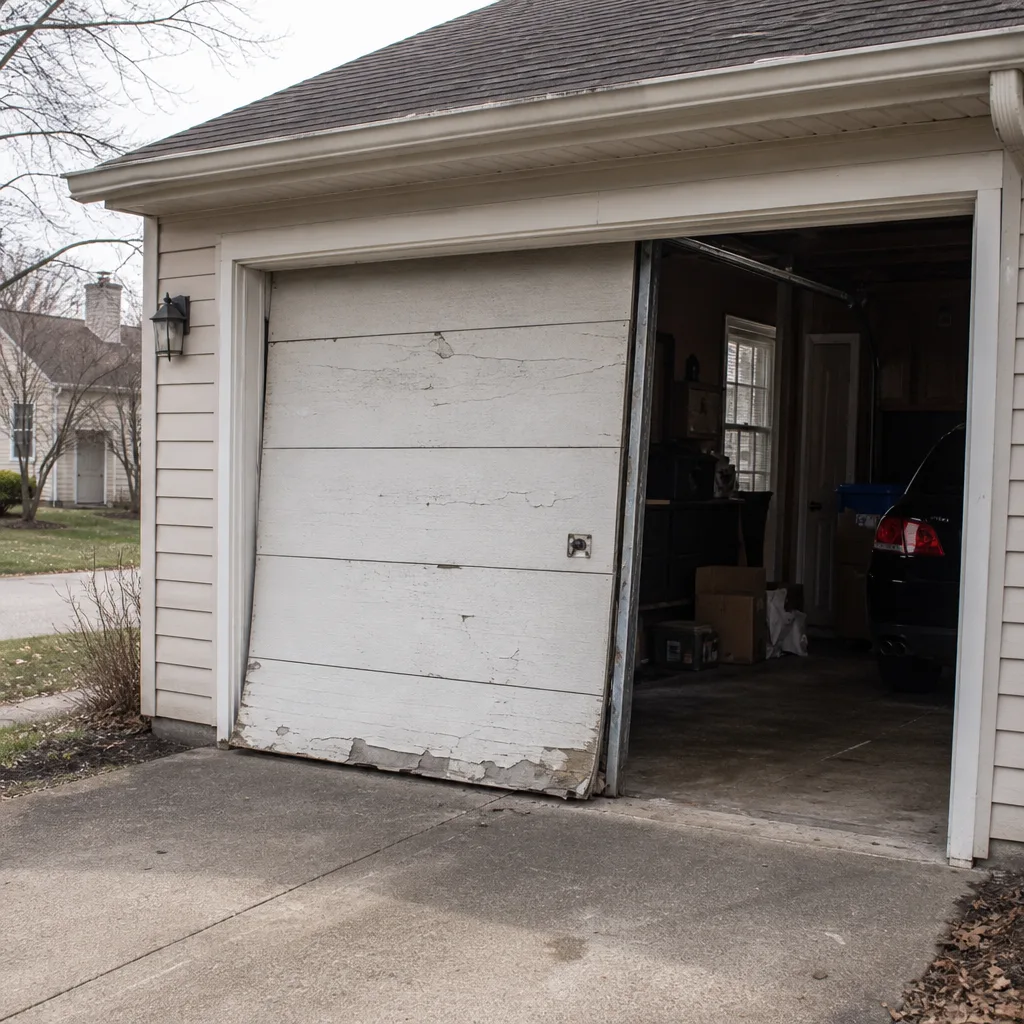 Before
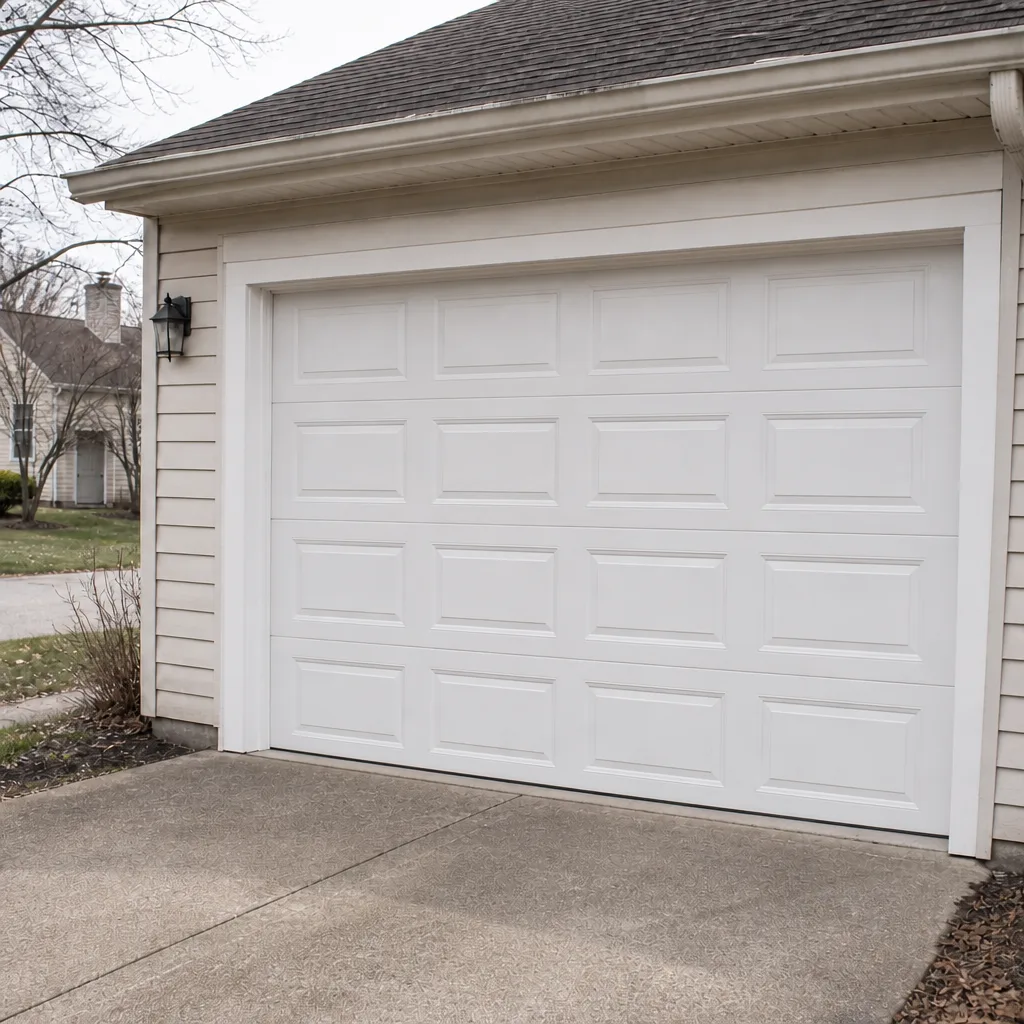 After
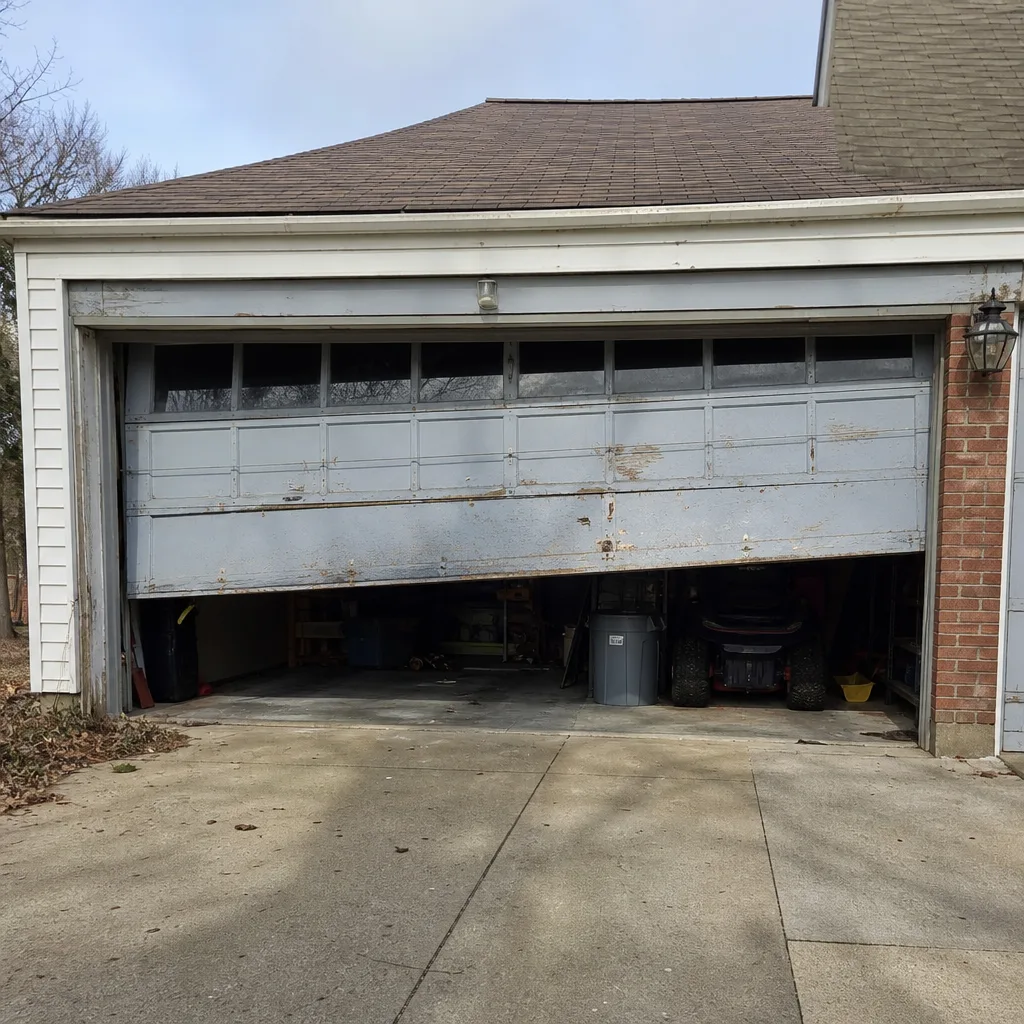 Before
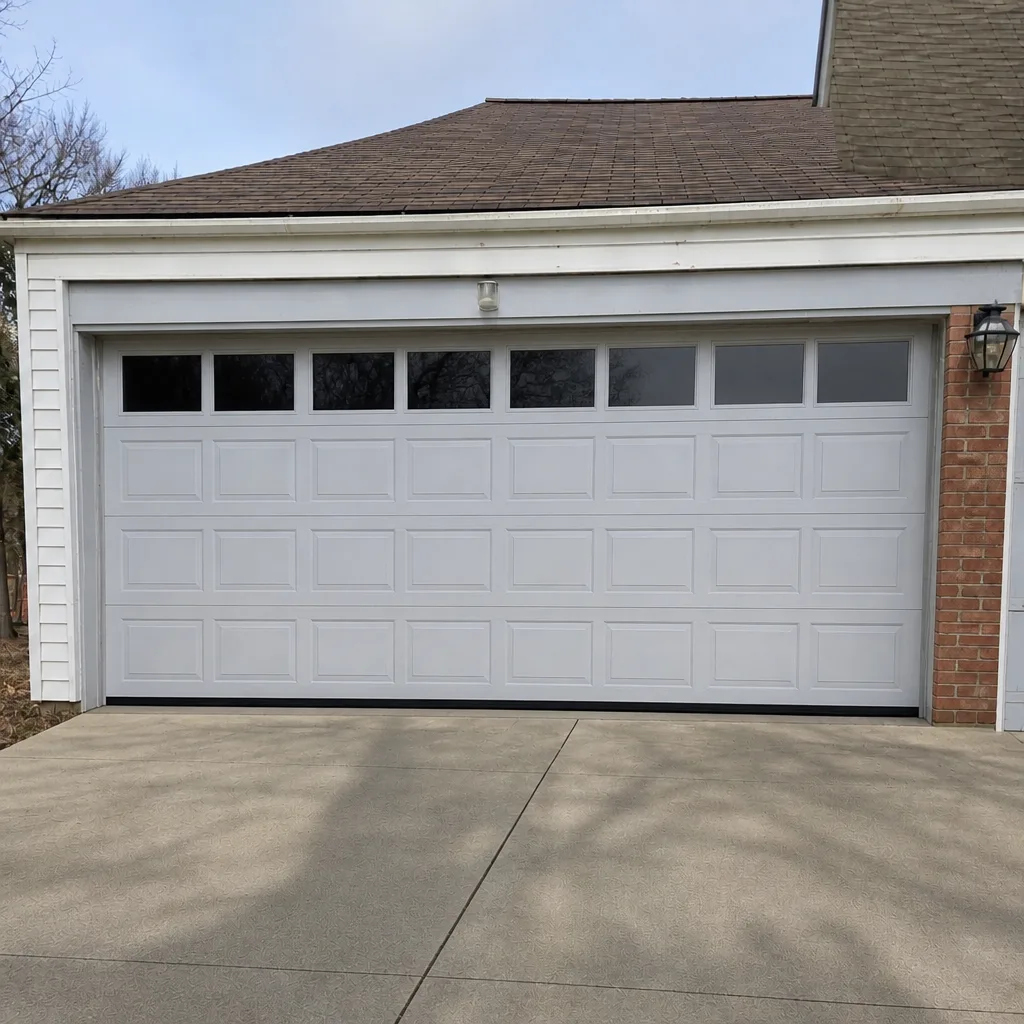 After
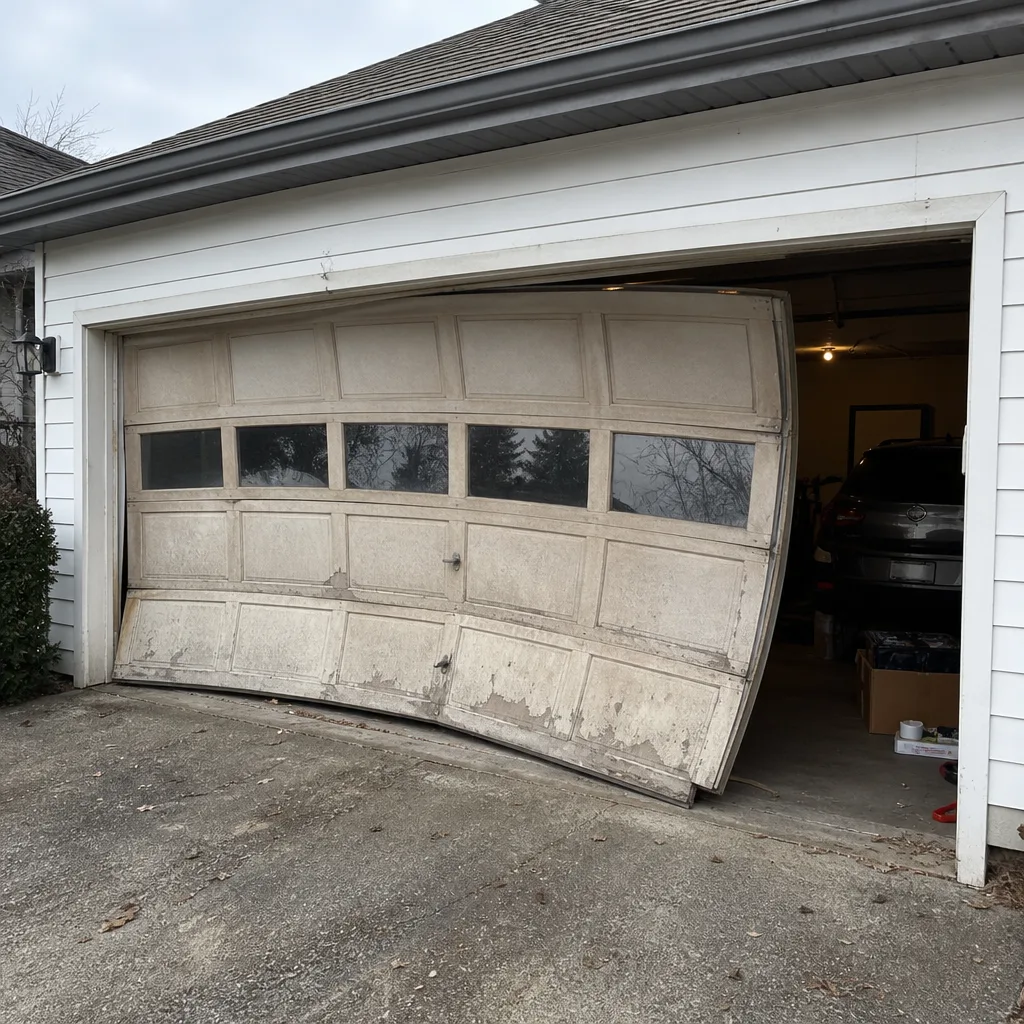 Before
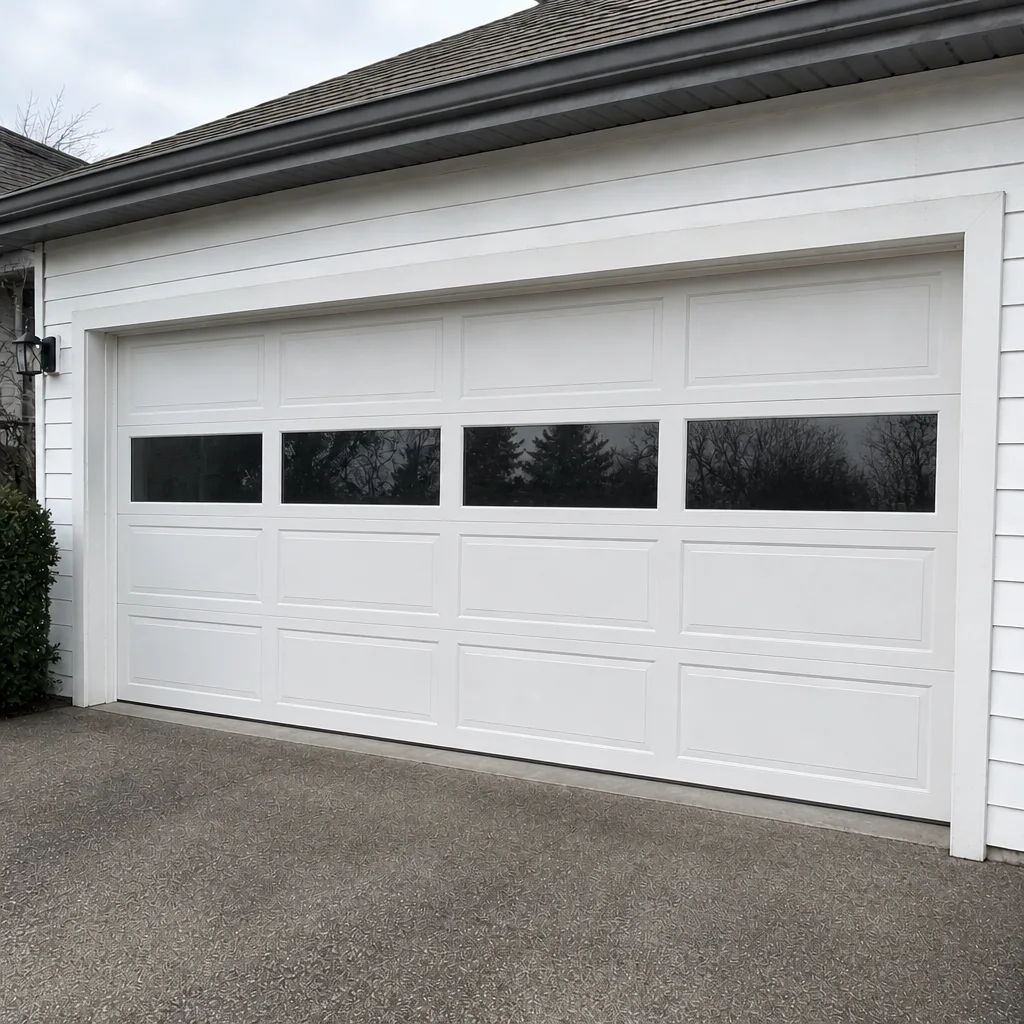 After
When to Call a Professional
Call a professional when any of these apply: you see a gap in the torsion spring, a frayed or snapped cable, or a door that’s falling or slamming. You should also call if the door moves unevenly and you can’t tell whether it’s the spring, cable, or track, or if the opener reverses or lags in ways that don’t resolve on their own. If you hear a sound that’s been building for more than a few days, that’s also a reason to call. A trained technician can diagnose the problem in a single visit and, in most cases, fix it the same day. Our technicians have up to 8 years of experience and work on the major brands, from LiftMaster to Clopay. Strongsville Garage Door Repair Pros offers free estimates in Strongsville. Call (855) 819-6202 and we’ll help you figure out what’s going on.
Frequently Asked Questions
Garage door repair in Strongsville typically runs from about $95 to $350 depending on the part and the job, with spring repairs usually on the higher end of that range because they involve safety-critical work and specialized tools. You’ll always get a written estimate before any work begins, and the estimate is the price. Call (855) 819-6202 for an exact quote – estimates are free.
Yes, a door that won’t close is a same-day emergency situation, and we make emergency service available for exactly this. If the door won’t move at all or won’t stay shut, stop using it and call so we can get a technician out. Call (855) 819-6202 to get the process started.
No, the written estimate we give you is the price, and we quote and agree on it before any work starts. If the technician finds something genuinely different from what you described, they’ll explain it and re-quote before doing anything further. You won’t get a surprise invoice. Call (855) 819-6202 to book a free estimate.
The local professional we connect you with is licensed and insured as Ohio requires. That matters most on spring and cable work, which carry real safety risk. Our technicians have up to 8 years of experience and work exclusively on garage doors. Call (855) 819-6202 if you have specific questions about credentials before booking.
Grinding usually points to a worn roller, a dry hinge, or a roller that’s jumped its track, and it’s often a minor fix. Scraping usually means the door is rubbing against the track or frame, often because a roller has failed or the door has shifted, and it deserves a same-week call. If the scraping comes with a gap in the spring or a loose cable, that’s a stop-using-it-now moment.
If the door is moving smoothly and the noise is mild, you can usually wait a few days to a week. If the door is moving unevenly, making a loud pop, or the opener is reversing on its own, call within a day or two. If you see a gap in the spring or a frayed cable, don’t operate the door at all. Call for an exact quote – estimates are free at (855) 819-6202.
The Bottom Line
Your garage door gives you clear signals before something fails, and the biggest variable is how quickly you respond. Grinding, squealing, popping, and clunking each point to a specific part, while uneven movement, opener lag, and a gap in the spring are visual cues that matter just as much. The stop-using-it threshold is simple: a visible gap in the spring, a frayed cable, a door that falls too fast, or a door that won’t stay up. If you’re in Strongsville and the behavior of your door has changed, running a five-minute check this week is the best thing you can do for the long-term health of the door. Our technicians have up to 8 years of experience and can diagnose it in a single visit.
If you’d like a professional opinion on what you’re seeing, call Strongsville Garage Door Repair Pros at (855) 819-6202 for a free estimate. We work on your brand, we tell you when a repair makes sense and when it doesn’t, and we’ll get the door moving again. Springs, openers, panels, and full doors – it’s all we do.
Written by the team at Strongsville Garage Door Repair Pros.