Last updated November 22, 2026
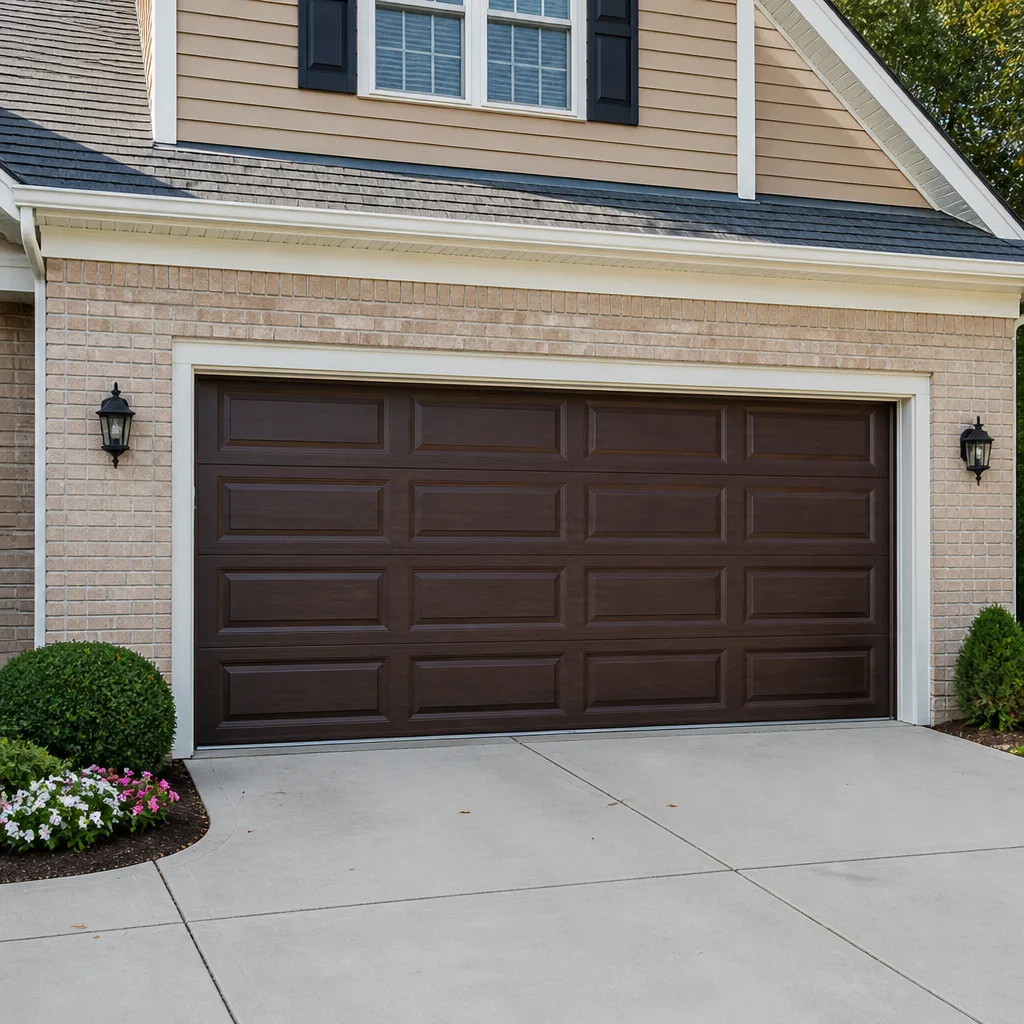 Raised-panel steel
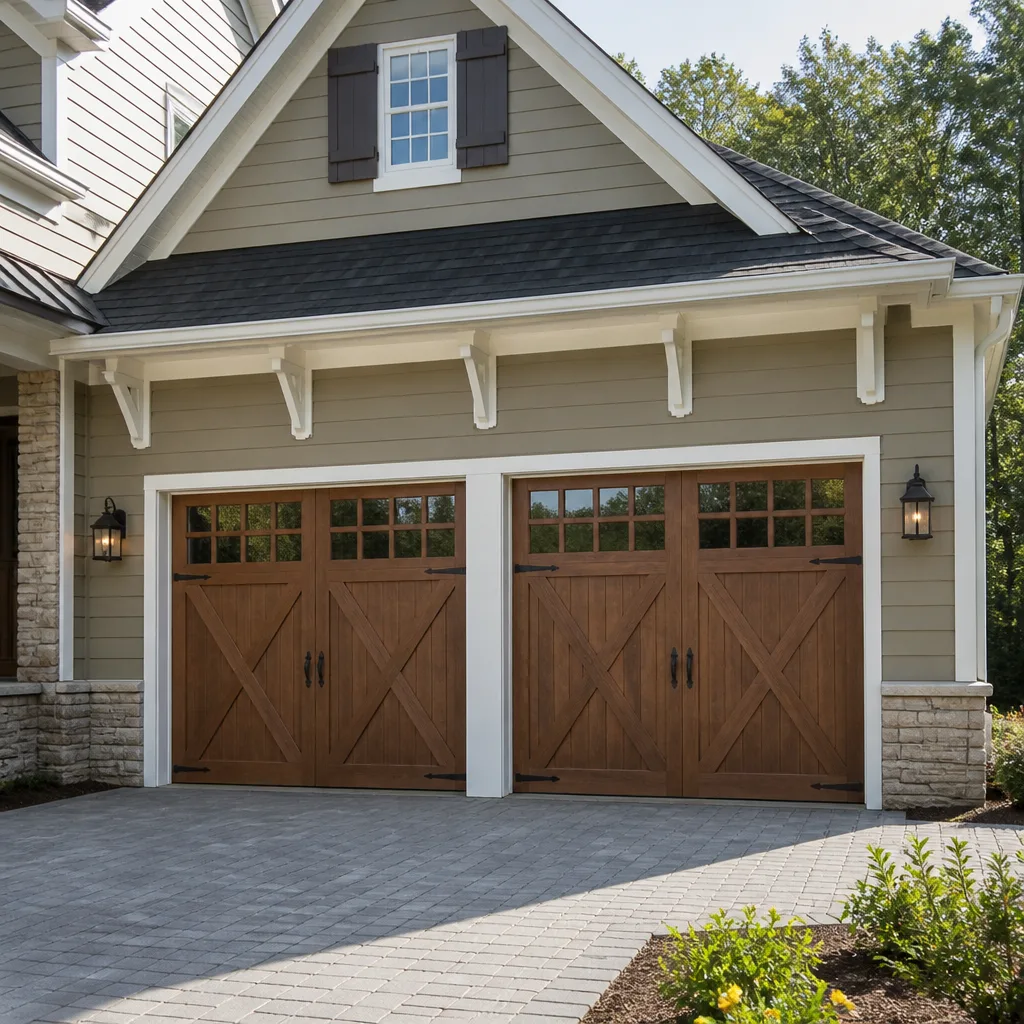 Carriage house
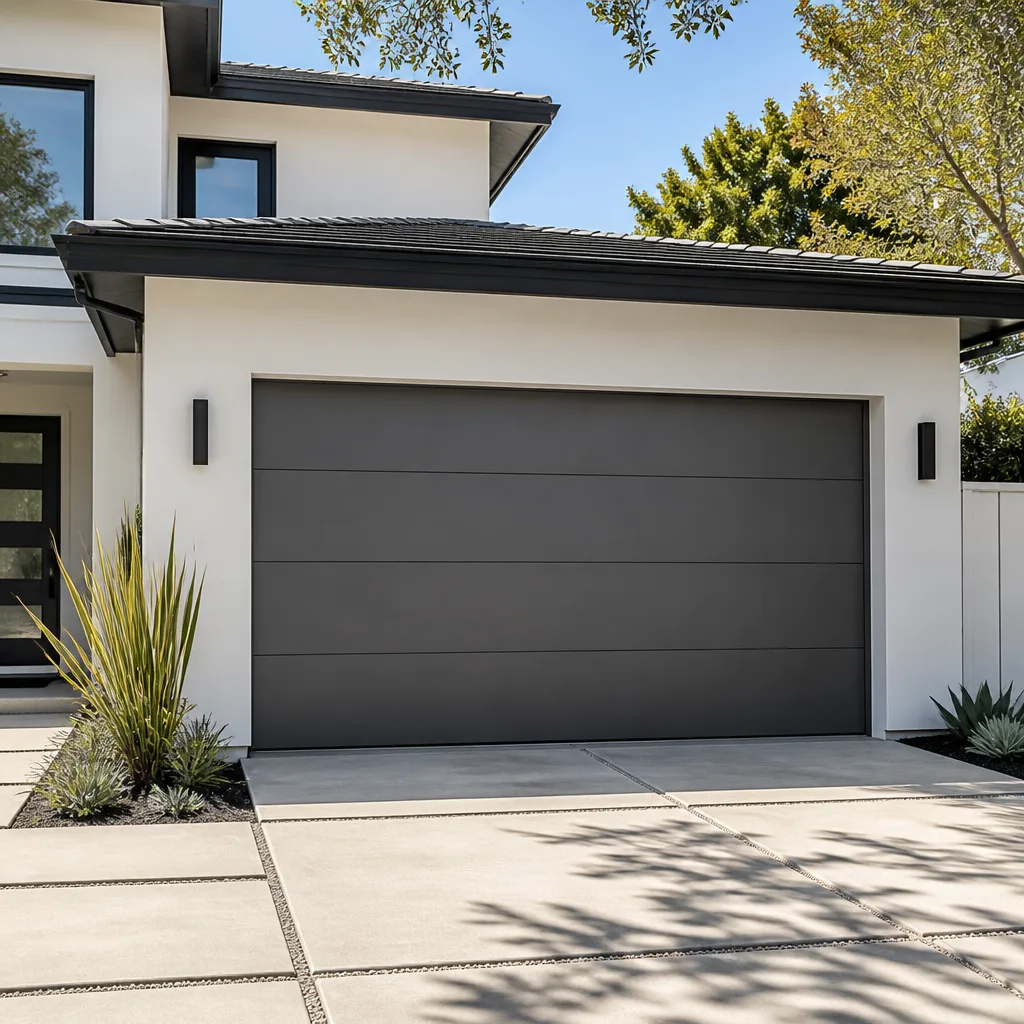 Modern flush
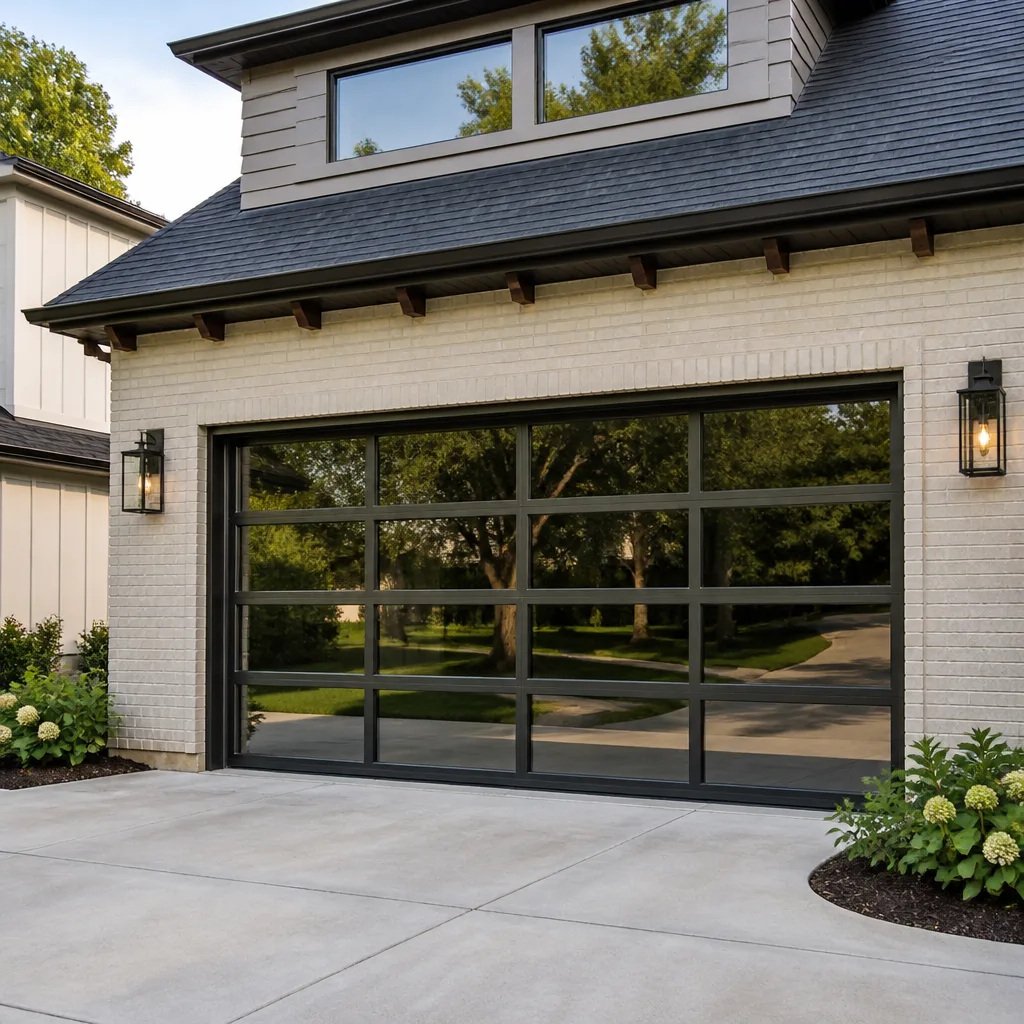 Full-view glass
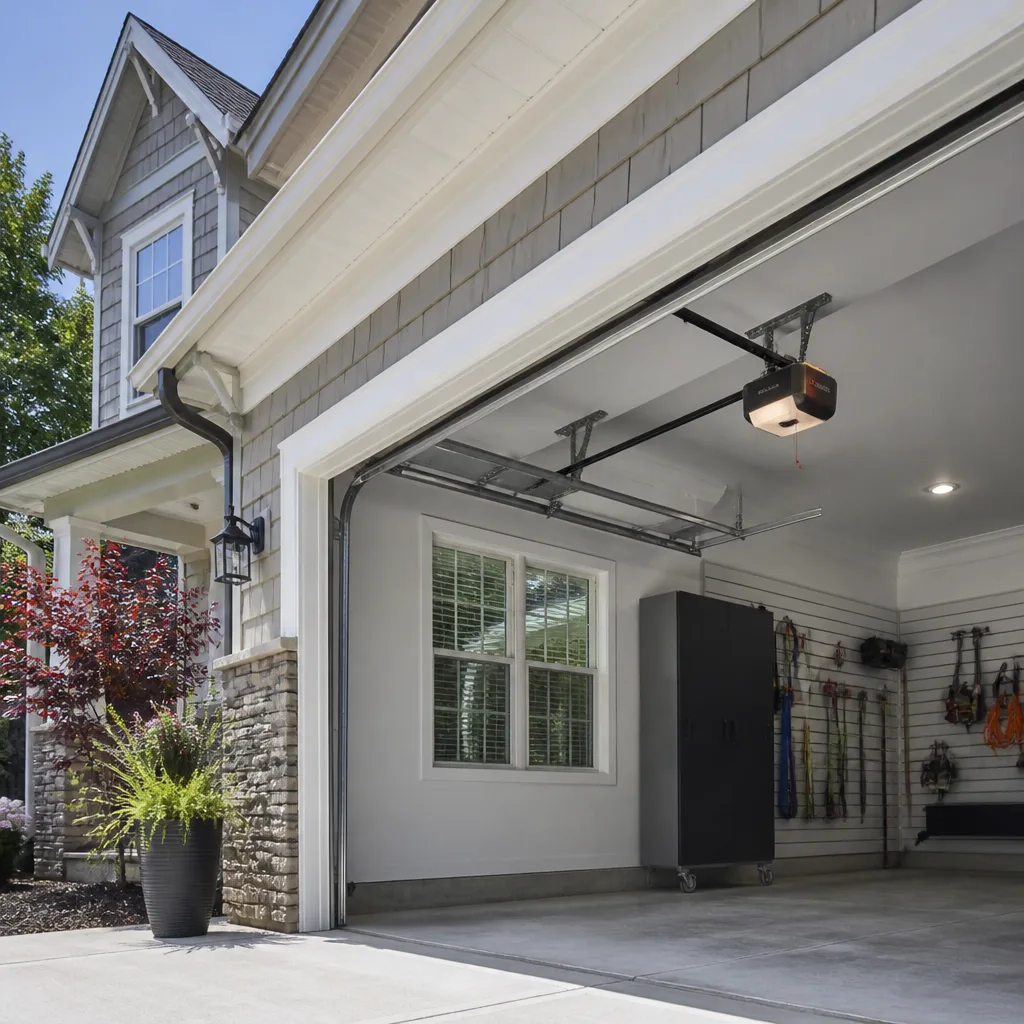 LiftMaster openers
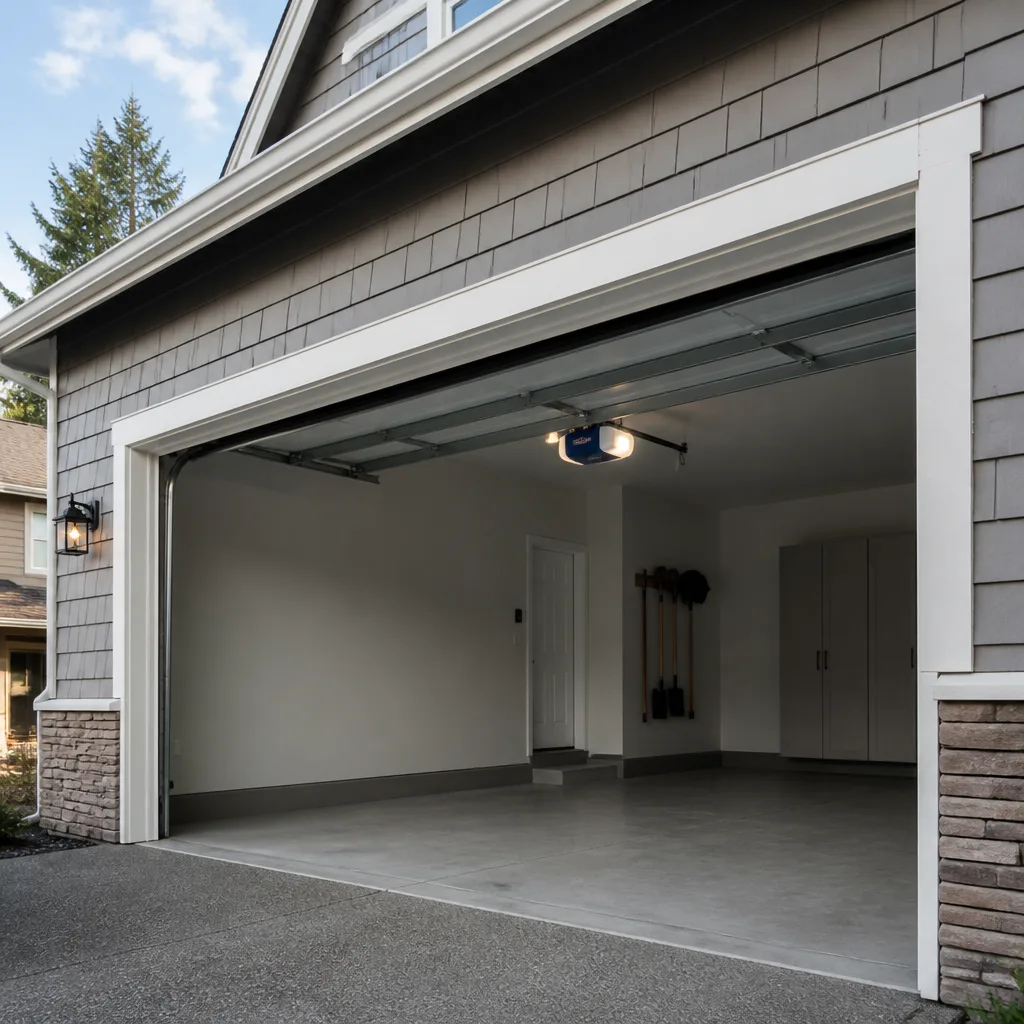 Chamberlain openers
Full 25-point door and opener safety check with every visit - springs, cables, rollers, tracks, and your LiftMaster or Chamberlain opener included
You get a price before we start. It does not change when the pro arrives.
Get your free estimateSeasonal Garage Door Care for Strongsville: Year-Round Homeowner’s Guide
Winter gets all the attention. When a garage door breaks in Strongsville, it usually happens on the coldest morning of the year, so that’s the season everyone plans for. But look at what actually fails across Northeast Ohio and the pattern shifts: July humidity ruins more bottom seals and warps more wood panels than any ice storm does. The damage is quiet. A seal swells, a panel cups, a hinge starts to stiffen, and nobody notices until the door stops closing flat in October. By then a small fix has become a bigger one.
This guide lays out a maintenance rhythm built around Strongsville’s real seasonal swings instead of a generic “annual checkup” that most people ignore. You’ll learn what to inspect each season, when to lubricate before the first freeze, and what not to do when your door is frozen to the floor.
Quick Answer
In Strongsville, garage doors need attention four times a year, not once: a post-winter hardware audit in spring, a humidity check on seals and panels in summer, lubrication and weatherstrip work in fall before the first freeze, and a careful thaw-and-release routine in winter. Skipping the summer and fall steps is what turns a cheap adjustment into a spring or opener repair by the time cold weather arrives.
Styles & brands we work with
- Raised-panel steel
- Carriage house
- Modern flush
- Full-view glass
- LiftMaster openers
- Chamberlain openers
Table of Contents
- Why Strongsville’s Climate Breaks the National Maintenance Calendar
- Spring: The Post-Winter Hardware Audit
- Summer: What Humidity Does to Wood, Composite, and Seals
- Fall: The Pre-Freeze Lubrication and Weatherstrip Checklist
- Winter: What to Do When the Door Is Frozen to the Floor
- How to Set Realistic Service Intervals by Season
- What You Can Check Yourself vs. What Needs a Technician
- Common Mistakes to Avoid
Why Strongsville’s Climate Breaks the National Maintenance Calendar
Most garage door maintenance advice you’ll find online is written for a mild, average climate. Strongsville doesn’t have one. It has humid summers that push moisture into every seam and joint, then hard freezes that lock that moisture in place and expand it. The swing between the two does more damage than either extreme alone.
Here’s what that means in practice. A national guide tells you to “inspect your door once a year.” In Strongsville, a door that gets one inspection in, say, April has already spent a full humid summer and a wet fall before anyone looks at it again. The bottom seal has been sitting in standing water at the threshold. The wood panels have absorbed weeks of damp air. The hinges have gone a season without lubrication. By the time the first hard freeze hits, the door is already compromised.
Strongsville sits in a part of Northeast Ohio where the freeze-thaw cycle repeats through late fall and early spring. Water gets into a seam, freezes overnight, expands, and thaws the next afternoon. Repeat that a few dozen times and metal fasteners loosen, weatherstripping tears, and painted surfaces crack. This is the cycle the seasonal schedule in this guide is designed around.
One more local factor: road salt. It doesn’t corrode your door the way coastal salt air does to a beach house, but in Strongsville the salt tracked onto the driveway and splashed up onto the bottom panel and hinges does its own slow work through the winter. It’s a surface problem, not an airborne one, but it still matters – and it’s easy to miss because the damage is hidden behind a closed door most of the day.
Understanding why the calendar matters is the first step. The rest of this guide breaks it down season by season.
Spring: The Post-Winter Hardware Audit
Spring is when you find out what winter did. The door has been through months of freeze-thaw cycling, salt exposure, and heavy use, and the damage is often invisible from a quick glance. A proper spring audit looks at the parts that take the most punishment and won’t announce themselves until they fail.
Start with the hardware that lives near the ground and near the tracks:
- Hinges: Look for rust bloom, white powdery corrosion, and stiffness. A hinge that doesn’t pivot freely is putting extra load on the opener. Salt splash on the bottom hinge is common in Strongsville and easy to overlook.
- Rollers: Nylon rollers can flat-spot over a cold winter. Steel rollers can develop rough spots. Roll the door up by hand and listen for grinding or a rhythmic thump – that’s a worn roller.
- Bottom seal: Check for cracks, splits, and any spot where the seal has pulled away from the panel. A torn seal lets water and cold air straight into the garage.
- Track alignment: Look down each track from the top. It should be straight and parallel. Any bend from a winter impact (a snow shovel, a bumped car) will bind the rollers.
- Cables and springs: Look, don’t touch. Check for fraying on the cables and any visible gap or stretch on the springs. These are the parts that injure people, and they get a full section below.
Run through this audit once the last hard freeze has passed and the ground has settled. If everything checks out, you’re ahead of most Strongsville homeowners. If something’s off, spring is the cheapest time to fix it – before summer humidity and another winter compound the problem.
If you’d rather have a trained eye go over the whole system, that’s exactly what our garage door repair service covers, and a spring inspection is a good reason to book one.
Summer: What Humidity Does to Wood, Composite, and Seals
This is the season most Strongsville homeowners ignore, and it’s the one doing the most hidden damage. Northeast Ohio summers are humid, and a garage is one of the dampest spaces on the property. Wood and composite doors absorb that moisture, and the effects show up months later.
Here’s what humidity actually does:
- Wood panels cup and warp. Wood expands as it takes on moisture and contracts as it dries. That movement stresses joints and paint. Over a few humid seasons, panels can cup enough that the door no longer sits flush, which lets in water and air and puts uneven load on the opener.
- Composite doors swell at the edges. Composite is more moisture-resistant than wood, but the cut edges and joints are still vulnerable. Swelling there can push panels out of alignment.
- Bottom seals swell and lose their seal. A rubber or vinyl threshold seal that swells in the heat and humidity can warp away from the floor, defeating the whole point of weather protection. Once it’s warped, it stays warped.
- Paint and finish degrade faster. High humidity slows drying and softens finishes, so any small crack in the paint film lets moisture into the wood underneath.
What to do in summer: check the bottom seal by closing the door and looking for daylight or feeling for drafts along the floor. Run your hand along the panel edges (carefully – watch for splinters or sharp metal) for soft spots or swelling. If the paint is cracking or peeling, that’s a signal to refinish before fall.
If your door is wood or composite, and you notice warping or a seal that won’t sit flat, don’t wait for fall. Addressing it in summer is far simpler than dealing with a swollen, misaligned door once the cold sets in. If the panels are past saving, our garage door installation service can walk you through whether a replacement panel or a new door makes more sense – and we’ll tell you honestly which one it is.
Fall: The Pre-Freeze Lubrication and Weatherstrip Checklist
Fall is the most important season for garage door maintenance in Strongsville, and it has a hard deadline: the first freeze. Everything on this checklist needs to be done before the ground freezes and the temperature drops, not after. Once it’s cold, lubricants don’t spread properly, seals get stiff, and any adjustment you make is fighting the weather.
Here’s the pre-freeze checklist, in order:
- Lubricate hinges, rollers, and the torsion spring. Use a garage-door-specific lubricant, not WD-40 or general household oil. Apply to every hinge pivot, each roller bearing, and the spring coils. Wipe off excess so it doesn’t attract grit.
- Inspect and replace the bottom weatherstrip. If it’s cracked, torn, or warped from summer humidity, replace it now. A good seal keeps out cold air, snow, and the mice that look for a warm garage in winter.
- Check the side and top weatherstripping. Look for gaps where the door meets the frame. A seal that’s pulled away lets in drafts and water that can freeze into the track.
- Test the door balance. Disconnect the opener and lift the door halfway by hand. It should stay put. If it drops or rises on its own, the springs need adjustment – and that’s a job for a technician, not a DIY project.
- Test the safety reverse. Put a piece of wood or a brick in the door’s path and close it. The door should reverse on contact. This is a safety feature, not a convenience, and it needs to work in winter when the door is heaviest.
- Clean and lubricate the tracks. Wipe down the tracks with a damp cloth to remove grit and salt residue from last winter, then apply a light lubricant.
- Check the opener’s force settings. Cold weather makes the door harder to move. If the opener is set too light, it will reverse on its own or fail to close. Refer to your opener manual to check the settings.
The timing matters: aim to complete this checklist a few weeks before the first hard freeze in Strongsville, typically in late fall. If you’re not sure when that is, watch the forecast. The first sustained cold snap is your deadline.
This is also the season to check your opener. If your LiftMaster or Chamberlain unit has been struggling, or a Craftsman opener has been reversing on its own, our garage door opener repair service can diagnose it before the cold makes it worse.
Winter: What to Do When the Door Is Frozen to the Floor
A frozen garage door is the one winter problem that can turn a small repair into a big one in minutes. The door is bonded to the floor by ice, and forcing it open can strip the drive gear on the opener or damage the springs. The instinct is to hit the button again or yank the emergency release. Don’t.
Here’s what to do – and what not to do:
- Stop. If the door won’t open on the first try, don’t hit the button again. The opener keeps applying force to a door that isn’t moving, and that’s how drive gears strip.
- Look for the ice. Check along the bottom of the door where it meets the floor. The seal is usually iced to the concrete, sometimes just at the corners, sometimes all the way across.
- Free it gently. Use a plastic scraper or a broom handle to break the ice bond along the bottom. Never use a metal shovel or pry bar – one slip and you’ve gouged the seal or the floor. A little warm water along the seal can help, but don’t pour hot water – the temperature shock can crack the concrete or damage the seal.
- Try the door by hand first. Once the ice is broken, pull the emergency release and lift the door a few inches by hand. If it moves freely, re-engage and use the opener.
What not to do: never yank the emergency release while the door is under tension from the opener – it can snap back with force. Never run the opener if the door is frozen and won’t budge. If the door is still stuck after you’ve cleared the ice, call a technician.
Other winter issues in Strongsville: snow and ice can fall into the tracks and jam the rollers, and the freeze-thaw cycle can pull the weatherstrip away from the frame. Clear the tracks after a storm, and if you notice water getting into the garage, that’s a sign the seal needs attention.
How to Set Realistic Service Intervals by Season
The generic “annual checkup” recommendation is the reason so many garage doors fail in Strongsville. One inspection a year is not enough when you live through four distinct seasons that each stress the door differently. A realistic schedule looks like this:
- Spring (once a year): A full hardware audit, including hinges, rollers, tracks, and springs. This is the deep inspection.
- Summer (once a year): A humidity check – seals, panels, paint, and alignment. This is a lighter walkthrough, but it’s the season that does the most hidden damage.
- Fall (once a year, before the first freeze): A lubrication, weatherstrip, and balance check. This is the one with a deadline. If you only do one thing, do this.
- Winter (as needed): Frozen-door checks and post-storm track clearing. No scheduled service, but stay alert.
On top of the seasonal schedule, there are trigger points that mean a service call regardless of the season:
- The door reverses on its own or won’t close completely.
- You hear grinding, thumping, or a repetitive noise.
- The door is visibly out of alignment (one side higher than the other).
- You see fraying on the cables or a gap or stretch in the springs.
- The opener’s light blinks or it beeps a fault code.
For most Strongsville homes, that comes out to two to four service visits a year, depending on how heavily the door is used and how old the hardware is. A newer door in good condition might need less. An older wood door in a humid spot might need more.
What You Can Check Yourself vs. What Needs a Technician
There’s a clear line between what’s safe to handle yourself and what truly isn’t. Knowing where that line is protects both your door and you.
What you can check yourself:
- Visual inspection of hinges, rollers, seals, and tracks
- Lubricating hinges, rollers, and springs (this is maintenance, not repair)
- Testing the door balance by hand (with the opener disconnected)
- Testing the safety reverse
- Cleaning the tracks
- Checking the door’s alignment by eye
- Clearing ice, snow, or debris from the tracks and threshold
What needs a technician:
- Spring repair or replacement. Garage door springs are under extreme tension. A spring that’s damaged or about to fail can cause serious injury if you try to work on it. This is the single most dangerous part of the system, and it should only be handled by a trained professional with the right tools. We handle spring repair as a core service – it’s one of those jobs that generalists tend to avoid or subcontract.
- Cable repair or replacement. Same reason as springs – cables are under constant tension.
- Opener repair. Diagnosing a failing opener requires brand-specific knowledge. We work with LiftMaster, Chamberlain, Genie, Clopay, Amarr, Wayne Dalton, Craftsman, and Raynor so there’s no “we don’t service that brand” dead end.
- Track replacement or major realignment. A bent track can often be corrected, but a damaged one needs professional realignment.
- Full door or panel installation. Hanging a door correctly requires the right springs, the right balance, and the right safety setup.
The distinction matters for safety, but it also matters for cost. A lubricated hinge that gets caught in spring costs you a few minutes. A spring you try to fix yourself can cost you a hospital visit. Sometimes the best thing you can do for your door is know when to call us. When it comes to a spring that’s stretched, a cable that’s frayed, or an opener that’s failing, get a trained technician. Strongsville Garage Door Repair Pros offers a free estimate, and the price is quoted and agreed before any work starts.
Common Mistakes to Avoid
Most garage door problems in Strongsville come from a small number of predictable mistakes. Avoiding them is easier than fixing the damage they cause.
- Following a generic annual-checkup schedule. A national guide tells you to inspect once a year, but in Strongsville that means a full humid summer and a wet fall go unaddressed. Split the work by season so nothing goes months without attention.
- Lubricating after the first freeze instead of before. Lubricant thickens in cold weather and doesn’t spread into the joints. By the time you remember, you’re fighting the temperature. Do the lubrication in fall, before the freeze.
- Forcing a frozen door open. Hitting the opener button again or yanking the emergency release on a door that’s bonded to the floor is the fastest way to strip the drive gear. Break the ice first, then try by hand.
- Using the wrong lubricant. WD-40 or household oil thins out, attracts dirt, and doesn’t protect the bearings. Use a garage-door-specific lubricant on the hinges, rollers, and spring.
- Ignoring summer humidity damage. A warped wood panel or a swollen seal is easy to dismiss in July. In October, it’s a misaligned door that doesn’t close flat, and by winter it’s a real problem. Check the seals and panels in summer, not fall.
- Trying to repair a spring or cable yourself. This is the one mistake with real injury risk. Springs and cables are under tension and require proper tools and training. If you see a stretched spring or a frayed cable, call a technician.
- Letting a small track bend go. A minor bend from a winter impact or a bumped car will wear the rollers and stress the opener over time. Get it straightened early, before it wears the whole system.
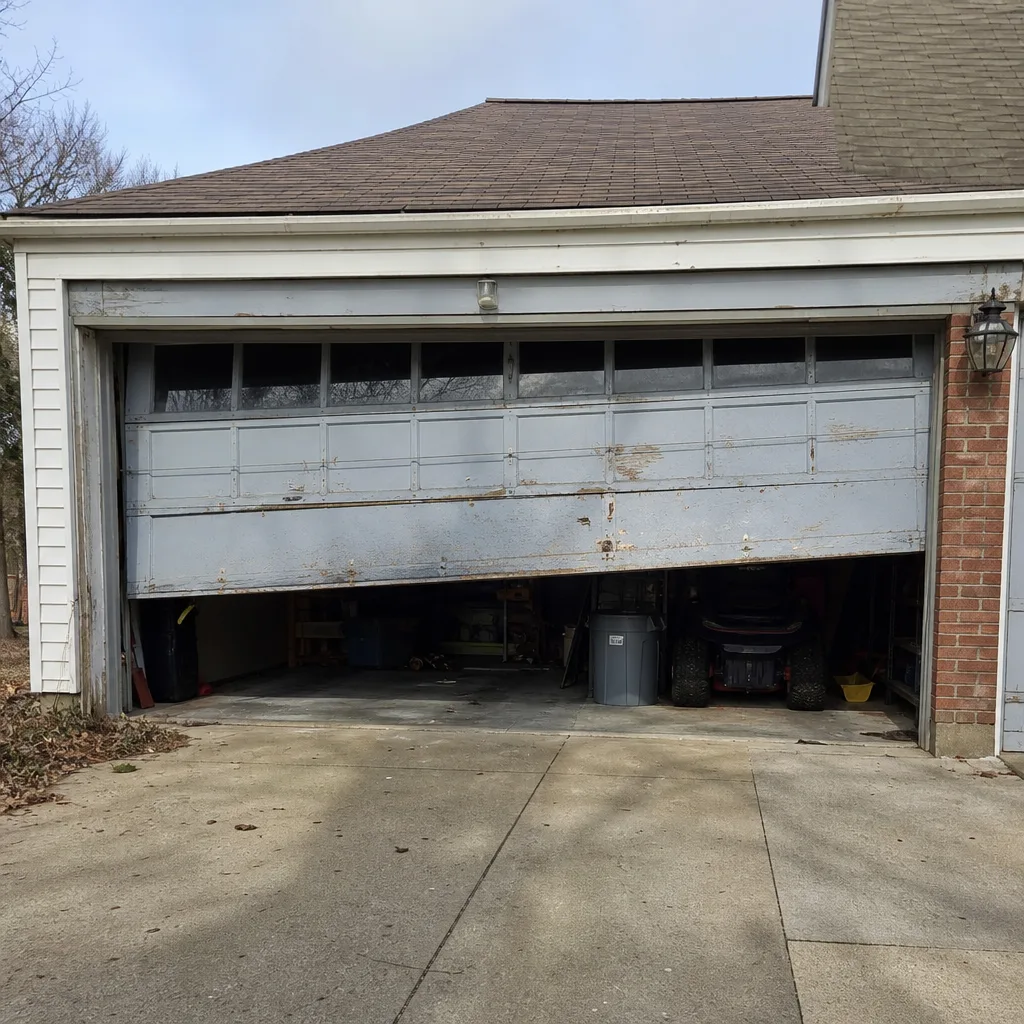
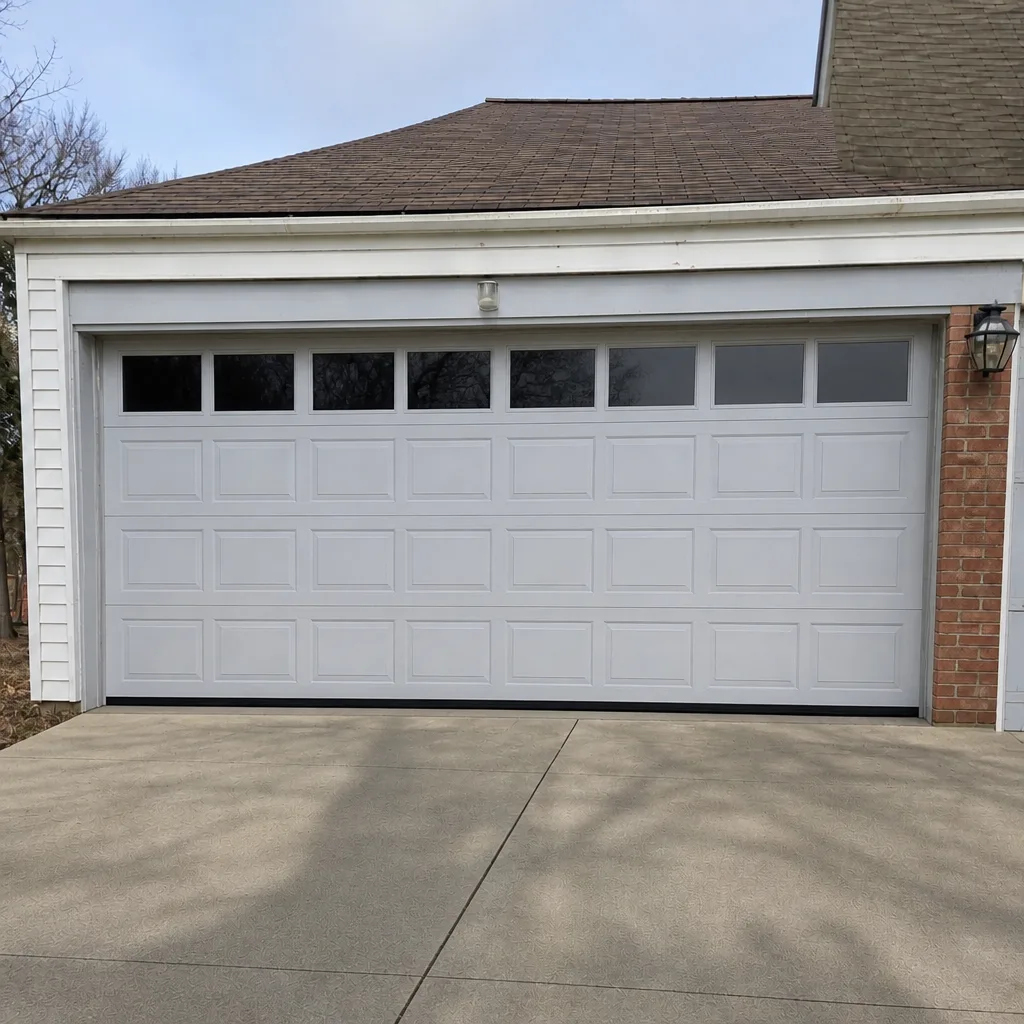
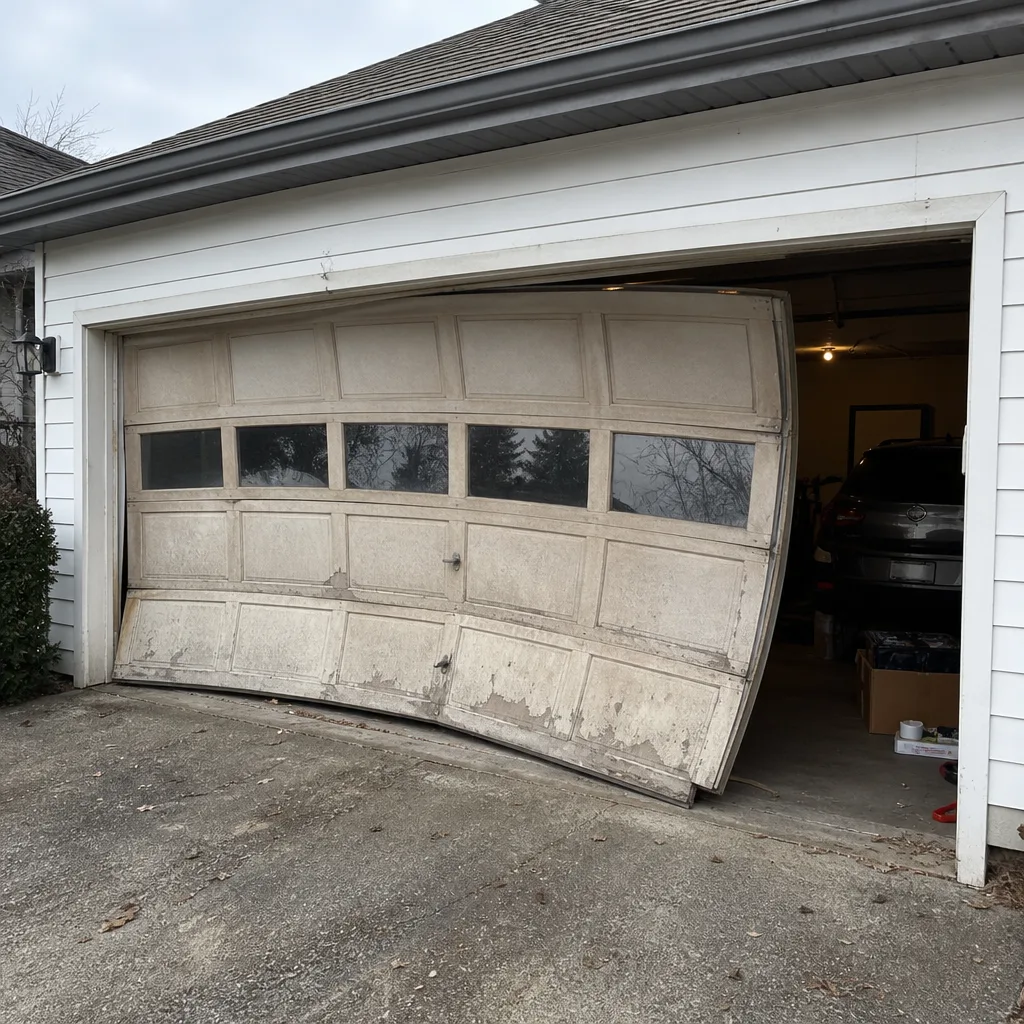
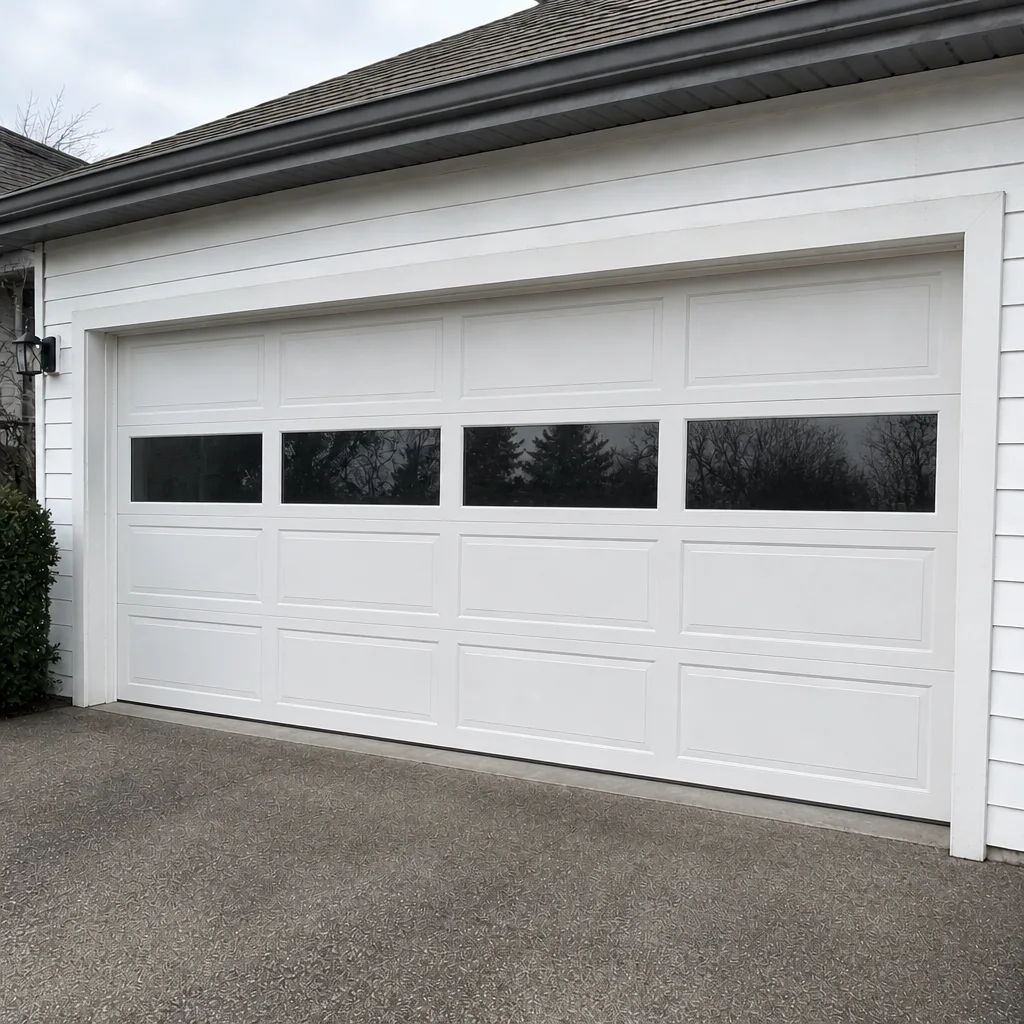
See the difference
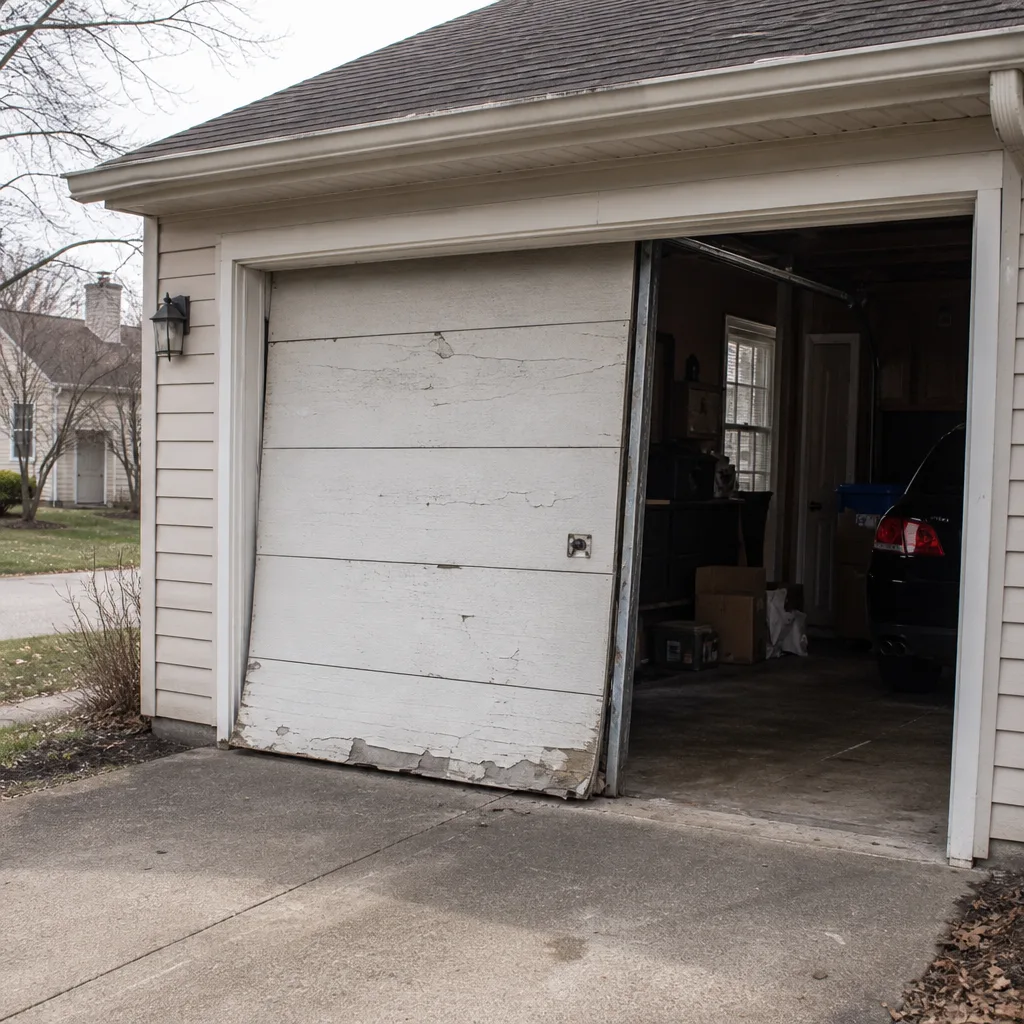 Before
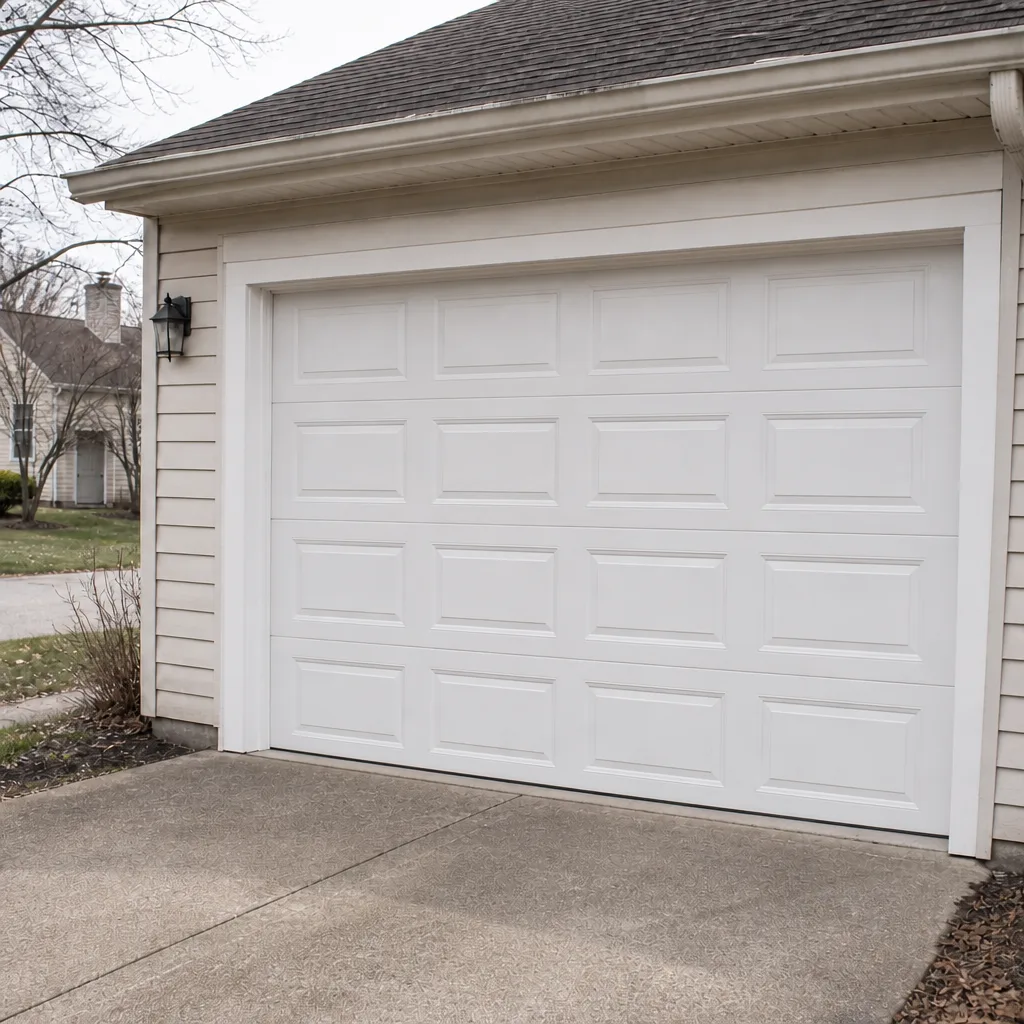 After
 Before
 After
 Before
 After
When to Call a Professional
Some garage door issues are annoying. Others are genuinely unsafe or likely to get worse fast. Call a professional for any of the following: a spring that’s stretched, broken, or making noise; a frayed or visibly damaged cable; an opener that reverses on its own, won’t close completely, or beeps a fault code; a door that’s out of alignment; a track that’s bent or binding; or a door that’s still stuck after you’ve cleared the ice. If the door won’t open or close at all and you’re stuck, our emergency service is a real standing capability, not a next-business-day promise. Strongsville Garage Door Repair Pros offers free estimates in Strongsville – call (855) 819-6202. The price is quoted upfront and agreed before any work starts, so there’s no invoice surprise when the job is done.
Frequently Asked Questions
Plan on seasonal maintenance four times a year rather than one annual checkup: a hardware audit in spring, a humidity check in summer, lubrication and weatherstrip work in fall before the first freeze, and as-needed attention in winter. Two to four service visits a year suits most Strongsville homes, depending on the door’s age and how heavily it’s used.
Summer humidity is the main culprit. A bottom seal that swells in the heat and humidity can warp away from the floor and lose its seal, and by the time you notice a draft in fall, it’s already warped. Check the seal in summer by closing the door and looking for daylight along the floor, and replace it in fall before the freeze if it’s damaged.
Yes, if it’s just iced to the floor. Break the ice bond gently with a plastic scraper, then try the door by hand before using the opener. What you shouldn’t do is force it with the opener or yank the emergency release, which can strip the drive gear or damage the springs. If the door is still stuck after you’ve cleared the ice, call a technician.
Wood absorbs moisture from humid air and expands, then contracts when it dries. Over a few humid seasons in Strongsville, that movement stresses the joints and paint and can cup the panels. If the door no longer sits flush, get it looked at in summer – addressing it before fall is much simpler than dealing with a swollen, misaligned door in cold weather.
Don’t try to fix it yourself. Springs are under extreme tension and a damaged one can cause serious injury. Keep the door closed, don’t run the opener, and call a technician. Strongsville Garage Door Repair Pros handles spring repair as a core service – call (855) 819-6202 for a free estimate, and the price is agreed before any work starts.
You can safely handle visual inspection, lubrication, balance testing, and cleaning the tracks yourself. What needs a trained technician is anything involving springs, cables, a failing opener, track replacement, or full installation. A spring that’s under tension is the single most dangerous part of the system, and generalists often avoid that work entirely. Our technicians have up to 8 years of experience and work with LiftMaster, Chamberlain, Craftsman, Raynor, and other major brands. If you’re not sure, a free estimate will tell you – call (855) 819-6202.
The Bottom Line
Garage door maintenance in Strongsville isn’t a once-a-year job. The humid summer and hard freeze cycle each stress your door in different ways, and a national maintenance calendar leaves you unprepared for the season that actually breaks your door. The rhythm that works: a hardware audit in spring, a seal-and-panel check in summer, lubrication and weatherstripping in fall before the first freeze, and a careful routine in winter when the door freezes to the floor. Handle the safe checks yourself, and call a technician for springs, cables, openers, and installation. Springs, openers, panels, full doors – it’s all we do. When you’re ready, Strongsville Garage Door Repair Pros is here for a free estimate at (855) 819-6202.
Written by the team at Strongsville Garage Door Repair Pros.