Last updated November 22, 2026
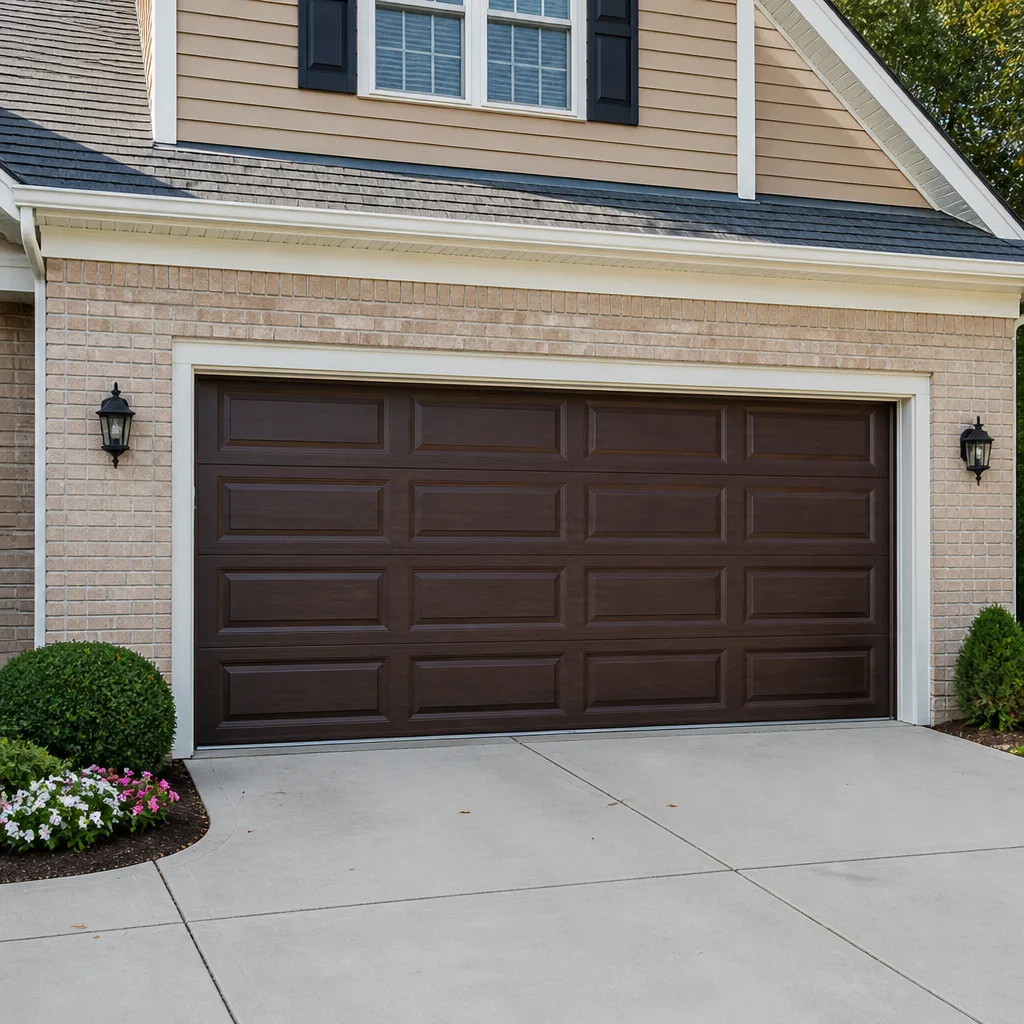 Raised-panel steel
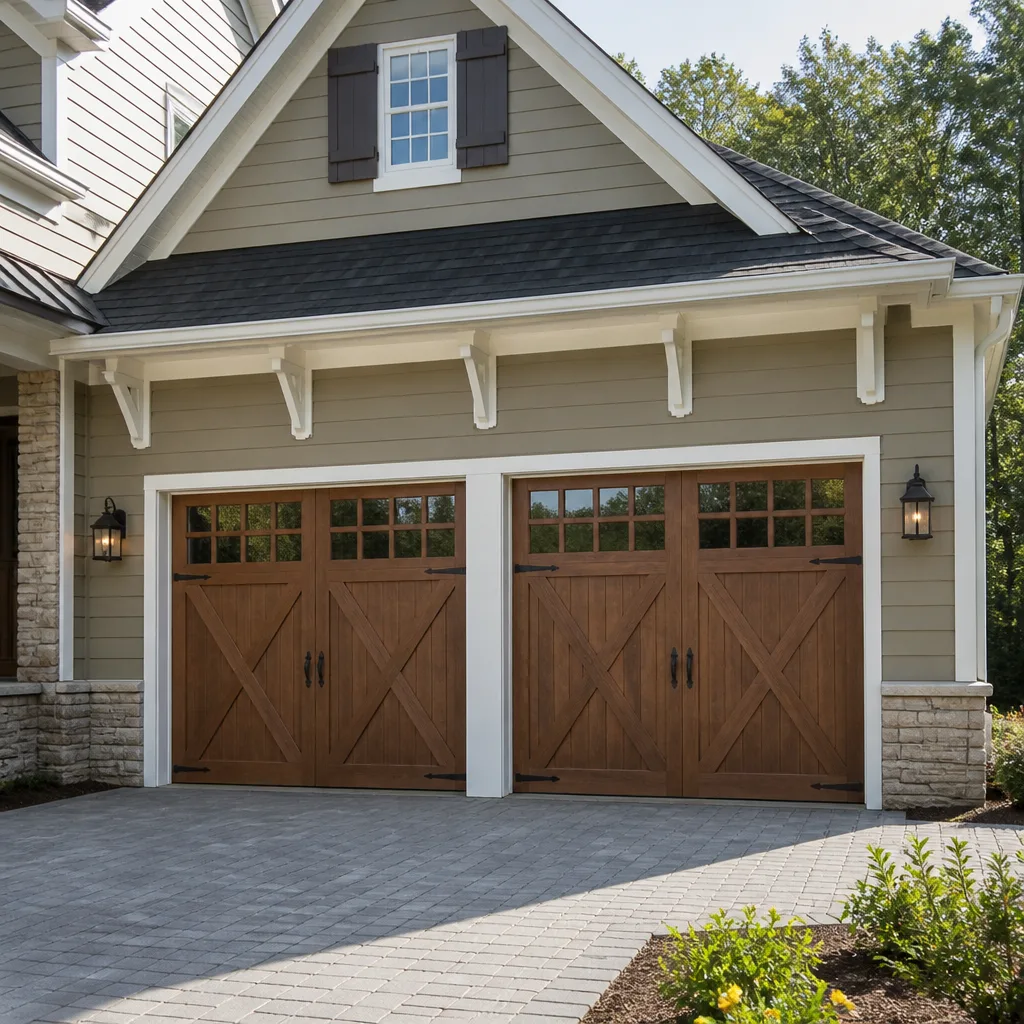 Carriage house
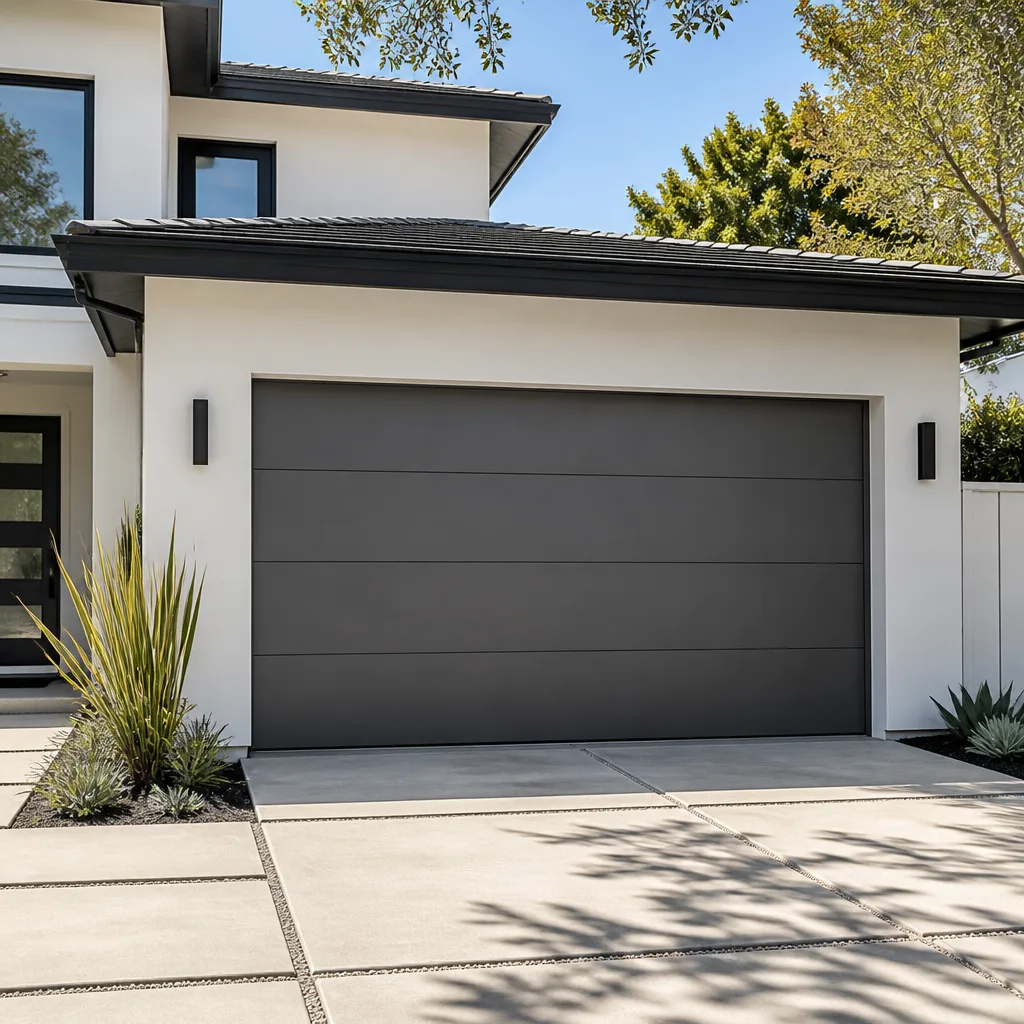 Modern flush
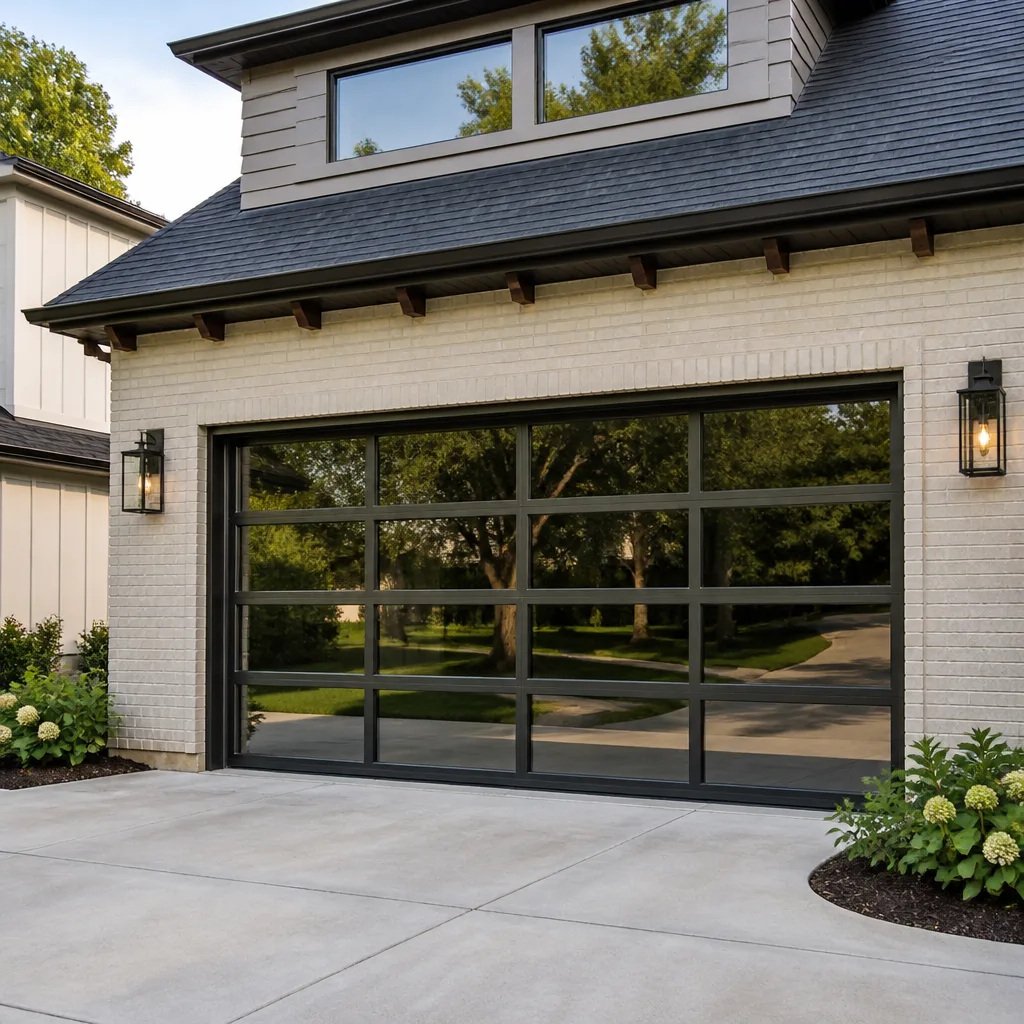 Full-view glass
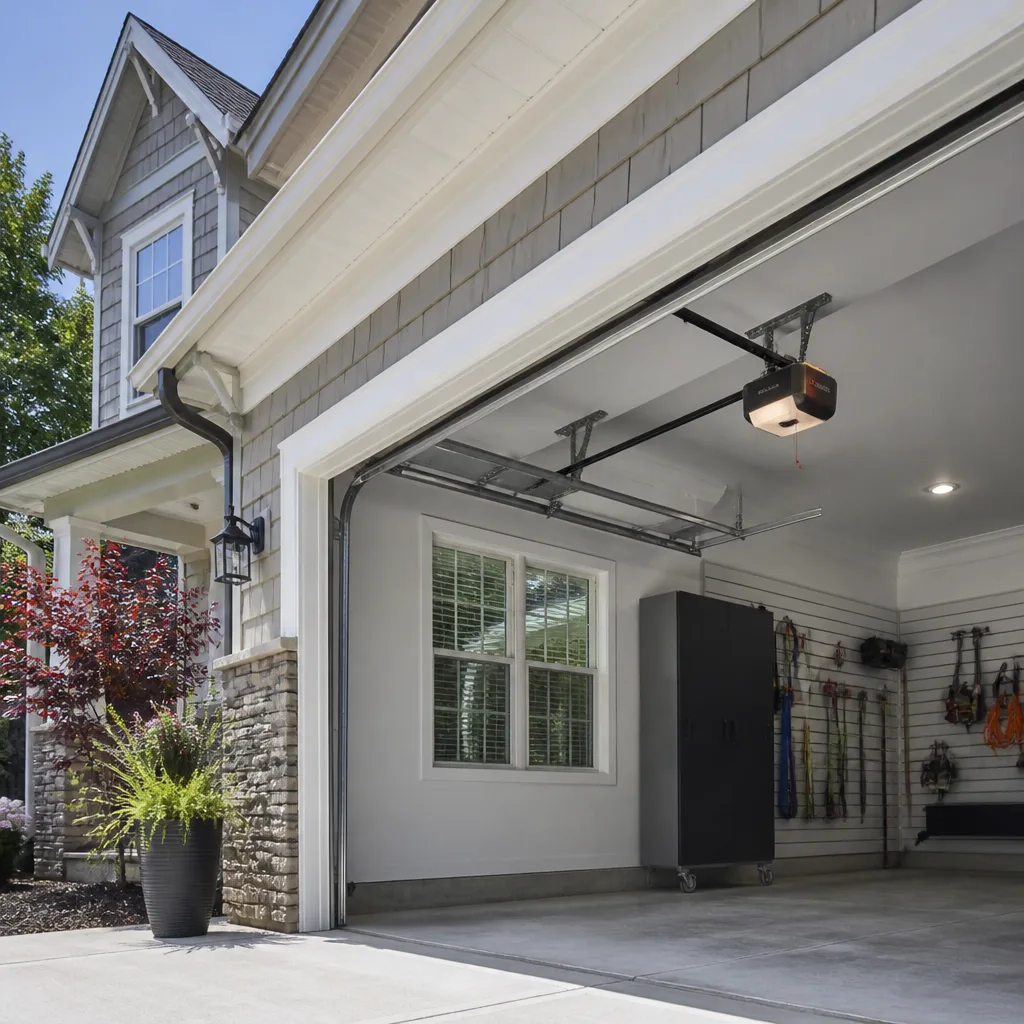 LiftMaster openers
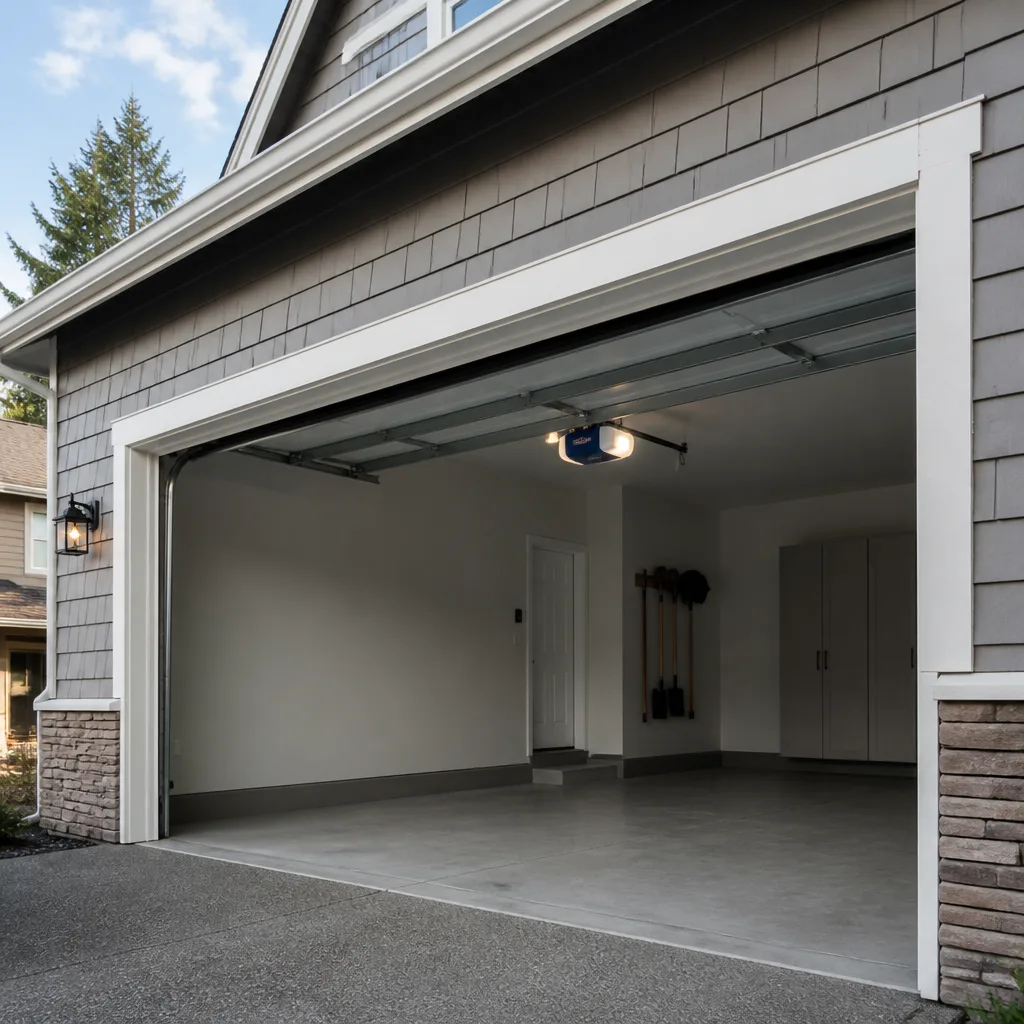 Chamberlain openers
Full 25-point door and opener safety check with every visit - springs, cables, rollers, tracks, and your LiftMaster or Chamberlain opener included
You get a price before we start. It does not change when the pro arrives.
Get your free estimateDIY vs Professional Garage Door: The Strongsville Homeowner’s Decision Guide
Replacing a garage door opener yourself is a reasonable project for a careful homeowner with a free afternoon. Replacing a torsion spring yourself has sent people to the hospital, and the two jobs look equally approachable in a video thumbnail. That gap between how a repair looks and how it behaves is the whole story here. This guide won’t tell you to call a professional for everything, because that advice is lazy and you’d ignore it. Instead, we’ll sort garage door work task by task, explain the physics behind the dangerous jobs, and show you where the real line sits for a Strongsville homeowner.
Styles & brands we work with
- Raised-panel steel
- Carriage house
- Modern flush
- Full-view glass
- LiftMaster openers
- Chamberlain openers
Quick Answer
Lubrication, safety sensor alignment, track cleaning, and opener remote or keypad programming are safe for most homeowners to handle. Torsion springs, extension springs, cables, bottom brackets, and any work with the door under tension are not, because the stored energy in a wound spring can release instantly and without warning. Everything in between – rollers, hinges, weather seal, panel replacement, opener replacement – depends on your comfort with tools and heights. When in doubt, a free estimate costs you nothing and settles the question.
Table of Contents
- Task-by-Task: What’s Actually Safe to DIY
- The Physics of Torsion Springs (Why Experience Doesn’t Save You)
- The Real Cost Comparison: Tools, Parts, and Fixing Mistakes
- Ohio Liability When DIY Work Goes Wrong
- How to Be a Smart DIYer Without Making Repairs Harder
- Repair or Replace? How We Decide
- One Call, One Specialist: Why Brand Fluency Matters
- Common Mistakes to Avoid
- When to Call a Professional
- Frequently Asked Questions
- The Bottom Line
Task-by-Task: What’s Actually Safe to DIY
Not all garage door maintenance carries the same risk, and treating it as one big category is where homeowners get into trouble. Here’s how we break it down, based on the calls we get and the aftermath we see.
Safe for Most Homeowners
- Lubrication. A few drops of garage door lubricant on rollers, hinges, and the torsion bar bearings keeps things quiet and reduces wear. Use a lubricant made for garage doors, not WD-40, which attracts dust and gums up over time.
- Safety sensor alignment. If the door reverses on its own or won’t close, the photo-eye sensors near the floor are usually misaligned or blocked. Straightening them and clearing cobwebs fixes most of these calls.
- Opener remote and keypad programming. Every LiftMaster, Chamberlain, Genie, and Craftsman opener has a learn button and a pairing procedure in the manual. Five minutes with the manual and you’re done.
- Track cleaning. Wiping down the tracks and checking for obvious debris is safe and helps the door run smoother.
- Weather seal replacement. The rubber strip along the bottom of the door pops out and slides back in. No tension involved.
Not Safe for Homeowners
- Torsion springs. These hold the full weight of the door under extreme tension. More on why in the next section.
- Extension springs. Mounted along the horizontal tracks, these are also under heavy tension. When they fail, the hardware can travel fast enough to cause serious injury.
- Cables. The cables are what hold the door to the springs. Releasing tension on a cable without the right winding bars and technique is how people lose fingers.
- Bottom brackets. The bracket at the bottom corner of the door holds the cable under tension. Loosening it while the door is up can send the cable snapping loose.
Depends on Your Comfort Level
Rollers, hinges, and opener replacement sit in a middle zone. A careful homeowner with a ladder, the right tools, and a helper can swap rollers or replace an aging opener. But if the door is heavy, the tracks are bent, or you’re not confident on a ladder, that middle zone becomes a professional job fast. For most Strongsville homeowners, we’d put opener replacement in the “reasonable to try with help” bucket and roller and hinge replacement in the “you can do this if you’re handy” bucket. When a door starts making noise or running rough, it’s often worth having someone look before you start taking it apart – our garage door repair team can tell you quickly whether you’re looking at a simple fix or something bigger.
The Physics of Torsion Springs (Why Experience Doesn’t Save You)
A torsion spring is a steel coil wound tight against the weight of your door, and the amount of stored energy in it is not intuitive. Your door might weigh 150 to 200 pounds. The spring holds most of that weight in a coiled steel bar that’s maybe two inches thick. That’s a lot of force packed into a small space.
Here’s what makes it dangerous even for experienced DIYers. The spring isn’t just heavy – it’s under tension that, if you release it incorrectly, comes out all at once. There’s no gradual warning. A spring that’s failing looks exactly like a spring that’s holding, right up until it isn’t. People who’ve replaced a spring successfully once assume the second one will be the same. The problem is that the failure mode isn’t a skill issue. It’s an energy issue.
Springs are also rated by wire gauge, inside diameter, and length. Get the wrong one and the door either won’t balance or will slam down. That’s before you even get to the winding bars, the technique, and the fact that the door needs to be fully down and de-tensioned before the spring comes off. There’s a reason spring repair is a job many general handymen won’t touch – the consequences of a mistake are simply too serious. Our team handles it as part of Strongsville Garage Door Repair Pros, and we can tell you honestly whether your door needs one spring or a matched pair.
If your door is heavy, sluggish, or won’t stay up, the spring is likely involved. Don’t test it by lifting. Call us and we’ll take a look. Spring repair and replacement is a job we do regularly; we carry the right bars, springs, and know-how, and we do it without the risk you’d be taking on.
The Real Cost Comparison: Tools, Parts, and Fixing Mistakes
DIY looks cheaper on paper until you add up everything it actually involves. Here’s how we break it down when a homeowner asks us whether they should try a repair themselves.
| Item | Typical DIY Cost | Typical Professional Cost |
|---|---|---|
| Torsion spring pair, parts only | $80 – $150 (if you can source matched springs) | $180 – $340 per spring, typically quoted as a pair |
| Winding bars | $25 – $50 | Included |
| Misc. tools (ladder, sockets, gloves) | $50 – $200, depending on what you own | Included |
| Opener replacement, DIY | $150 – $350 for the unit, plus your day | $400 – $600 installed, depending on the opener and door |
| Fixing a DIY spring or cable error | $200 – $1,500+, and often a bent door or track | N/A |
The numbers above are typical estimates for the Strongsville area, not fixed prices. Every door is different, and a written estimate is what sets the final price. But the pattern matters more than the exact dollar figures. DIY parts savings evaporate when you add tools, a second attempt, and the possibility that a mistake damages the door, the tracks, or the opener.
There’s another cost most people don’t account for: time. Replacing an opener is a solid half-day for a first-timer. Replacing a spring correctly is faster for someone who does it every week, with the right equipment already in the truck. The real cost comparison is DIY parts plus tools plus your time plus the risk of a mistake, versus a written estimate you can approve before anyone touches the door. When the math lines up, it’s usually on the tasks that involve real force.
Ohio Liability When DIY Work Goes Wrong
Here’s a piece of the DIY question most guides skip. If you do the work yourself and something goes wrong, you’re the one on the hook. If a spring you installed fails and the door comes down on someone, or a cable you swapped snaps and damages a car in the driveway, that’s not a warranty claim against a manufacturer. It’s your liability.
Your homeowner’s policy may cover some damage, but it’s worth asking your agent how they view a garage door that was worked on by the homeowner rather than a professional. Policies vary, and we can’t tell you what yours says. What we can tell you is that a proper professional will stand behind their work, and their insurance is part of the arrangement. The local pro we connect you with is licensed and insured as their state requires, and the work is done to a standard that holds up.
For property managers in Strongsville, this matters more than it does for a single-family homeowner. A rental property with a door serviced by the tenant, or by a handyman with no garage door experience, puts the manager in the middle of any injury or damage claim. Using a specialist for the dangerous tasks – springs, cables, opener wiring – keeps the liability where it belongs.
It’s also worth knowing that most cities require a permit for certain garage door work, especially structural changes or replacing a whole door. We can’t tell you exactly what Strongsville requires because that’s a question for the city’s building department. Call them and ask. It’s a five-minute conversation that settles a lot of uncertainty.
How to Be a Smart DIYer Without Making Repairs Harder
We have a lot of respect for homeowners who want to handle what they can. The key is to avoid creating a bigger problem in the process. Here’s how.
- Don’t force a stuck door. If the door won’t open or close, stop. Yanking on the door or the opener trolley can bend the tracks or strip the opener gear, turning a simple repair into a replacement.
- Don’t undo the emergency release on a door with a broken spring. On most doors this drops the door fast. If the spring is broken, the door may come down hard enough to damage panels or hurt someone.
- Keep the tracks clean but don’t lubricate them. Lubricant on the tracks makes rollers slip, which causes binding and noise. Lubricate the rollers and hinges, not the tracks.
- Photograph the old opener before you remove it. Wire routing, mounting points, and the header bracket position all matter. A photo saves a lot of confusion during installation.
- Don’t buy the wrong spring. Springs are matched to your door’s weight, not just its size. If you replace a spring, order the right gauge and length. If you’re not sure, don’t guess.
- Test the balance before you call it done. Disconnect the opener, lift the door halfway, and let go. If it stays put, the balance is right. If it slams down or drifts, something’s off.
Two more points. Keep the door test monthly – it’s the easiest way to catch a problem early. And if you’re not sure, photograph what you’re looking at and call us. We’re happy to talk through it before you start taking anything apart.
Repair or Replace? How We Decide
When a door is more than a simple fix, homeowners often assume the answer is replacement. Sometimes it is. Often it isn’t. Here’s the framework we use when we’re looking at a door that needs work.
- Repair makes sense when the door is structurally sound, the tracks are straight, and one component has failed – a spring, an opener, a hinge, or a set of rollers. A single spring replacement on a door with a solid frame is almost always the right call.
- Replacement makes sense when the door is tired in multiple places at once – bent panels, worn tracks, aging hardware, and an opener that’s on its way out. At some point the cost of repairing each issue separately surpasses the value of a new door.
- It also depends on the brand and the age. A Wayne Dalton or Raynor door that’s in good shape is worth repairing. An older door with obsolete parts may be harder to source, in which case we’ll say so plainly.
This is where a specialist with full installation capability matters. A company that only does repairs has an obvious incentive to repair. A company that only installs has an incentive to sell you a new door. We do both, so the honest answer – repair or replace – is the one that saves you money over the long run. If you’re in Strongsville and you’re not sure which way to go, our garage door installation team will give you both numbers side by side and let you make the call.
One Call, One Specialist: Why Brand Fluency Matters
A call that ends with “we don’t service that brand” is a wasted afternoon and a door that’s still broken. We work on your brand, whether it’s LiftMaster, Chamberlain, Genie, Clopay, Amarr, Wayne Dalton, Craftsman, or Raynor. That matters more than it sounds, because a lot of garage door problems come down to the opener and the door being from different manufacturers that need to talk to each other.
A LiftMaster opener on a Clopay door needs different mounting and travel settings than a Genie opener on a Wayne Dalton door. A Craftsman unit from the 1990s has different sensor wiring than a current Raynor system. When a company works on eight major brands consistently, they carry the knowledge and the parts to diagnose quickly. We carry the training to work on all of them, and if a repair turns out to be a quick fix we say so. Our technicians have up to 8 years of experience, and they’ve seen the way most of the major systems behave.
Our garage door opener repair work covers opener replacement, sensor troubleshooting, remote and keypad programming, and control board issues. If you’ve already replaced the battery in the remote and the door still won’t respond, the issue is usually the sensor alignment or the opener’s logic board, and we can tell you which within a few minutes.
Common Mistakes to Avoid
- Treating a spring that looks fine like it is fine. A spring can be days from failing and look normal. If the door is heavier than it was last month, or runs louder, have it checked.
- Coating the tracks in lubricant. This is the most common maintenance mistake we see. Lubricant on the tracks makes rollers slide out of position, which causes binding. Lubricate the rollers and hinges instead.
- Painting the door without removing the weather seal. Paint sticks the seal to the door and tears it when you open the door. It’s a small thing that leads to a bigger weather-seal replacement job.
- Adjusting the torque or travel settings on an old opener. These settings are calibrated to the door. Changing them to force a slow door to move faster is a temporary fix that damages the opener and the door. For an opener that struggles, the door balance or the opener belt is usually the culprit – not the settings.
- Undoing the emergency release on a door with a broken spring. On most doors this drops the door hard and can bend panels or injure someone underneath. If a spring is broken and the door won’t move, leave it alone and call.
- Ignoring a door that won’t close all the way. A door that reverses a few inches off the ground or stops short is signaling a sensor or travel limit issue. Small problems in the sensor alignment become bigger if you force the door.
- Buying an opener without checking compatibility. Openers are matched to door weight and mounting. An opener rated for a lighter door will burn out on a heavier one. Brands like LiftMaster and Chamberlain make powerful openers, but the wrong model for your door is a short-lived one.
When to Call a Professional
Call us when the job involves a spring, a cable, or a door that won’t stay up. Call us when you’ve tried the DIY fixes and the problem persists. Call us when the door won’t close and it’s 8pm and you have to leave for work in the morning. We offer emergency garage door service for exactly that situation – when the door won’t move and you need it to. We’re open Sunday through Friday, 7am to 7pm, and closed Saturday.
Call us when you’re not sure whether it’s a repair or a replacement, and you want an honest answer instead of an upsell. Call us when your door is under warranty and you don’t want to void it. Call us when the brand is one that others turn away.
Strongsville Garage Door Repair Pros offers free estimates in Strongsville. Call (855) 819-6202 and we’ll take a look, quote the job, and get it done.
Frequently Asked Questions
No. We don’t recommend it for anyone who doesn’t do it professionally. The spring holds the full weight of the door under extreme tension, and the energy can release suddenly and with no warning. Even experienced DIYers get hurt doing this. It’s not a skill issue – it’s that there’s no safe margin for error. Call us and we’ll handle it with the right tools and technique.
Typical estimates are around $180 to $340 per spring for a professional repair, and since springs are usually replaced as a matched pair, the pair typically costs about twice that. The written estimate you get before work starts is what sets the final price. Call (855) 819-6202 for a free estimate.
Yes, this is a genuinely safe DIY task. Every major opener – LiftMaster, Chamberlain, Genie, Craftsman – has a learn button and a pairing procedure in the manual. If you can’t find the manual, a quick call to us gets you the right steps. If the remote still won’t work after programming, the problem is usually the opener’s logic board or the sensors.
We’re closed Saturday. We’re open Sunday through Friday, 7am to 7pm, so if a door fails and you need it fixed before Monday, call us and we’ll find a slot. We also offer emergency service for situations that can’t wait, so a door that won’t close or won’t open traps a vehicle or leaves a building unsecured and needs attention now.
It might, but it depends on your policy and how the damage happened. We can’t tell you what your policy covers. What we can tell you is that professional work is covered by the technician’s insurance, and the work is done to a standard that holds up. Ask your agent before you start taking apart a door that might cause damage.
Yes. This is one of the most common calls we get, and it’s usually fixable. Bent tracks, stripped opener gears, and mismatched springs can usually be corrected by a specialist. It costs more than if it had been done right the first time, but it’s almost always cheaper than replacing the whole door. For further reading on repair scope, our garage door repair team can walk through the options with you.
The Bottom Line
The DIY vs professional question has a real answer, and it’s not “always hire someone” or “you can do this yourself.” It’s about which task. Lubrication, sensor alignment, opener programming, and weather seal replacement are genuinely safe to handle on your own. Springs, cables, and any work with the door under tension are not, and the risk doesn’t drop just because you’ve watched the video. The real cost comparison also includes tools, time, and the price of fixing a mistake. For Strongsville homeowners, the smart path is doing what’s safe, skipping what isn’t, and calling a specialist for anything where the door is under force. We’re here when you need us, and we’ll tell you honestly which jobs you can handle yourself.
If you’ve got a spring snapped, a door stuck, or a job you’d rather hand off, call (855) 819-6202 for a free estimate. We’ll make sure the door is doing what it’s supposed to do, and we’ll do it in one visit.
Written by the team at Strongsville Garage Door Repair Pros.
See the difference
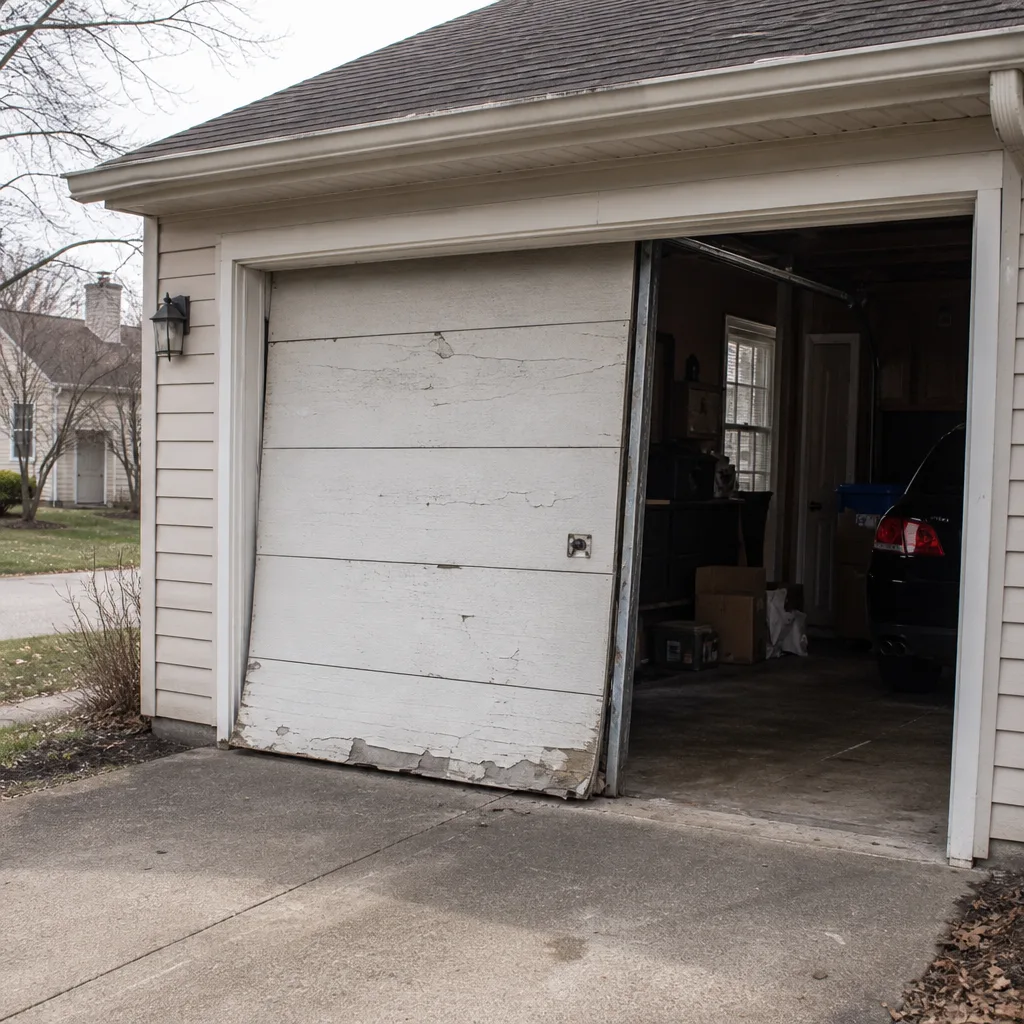 Before
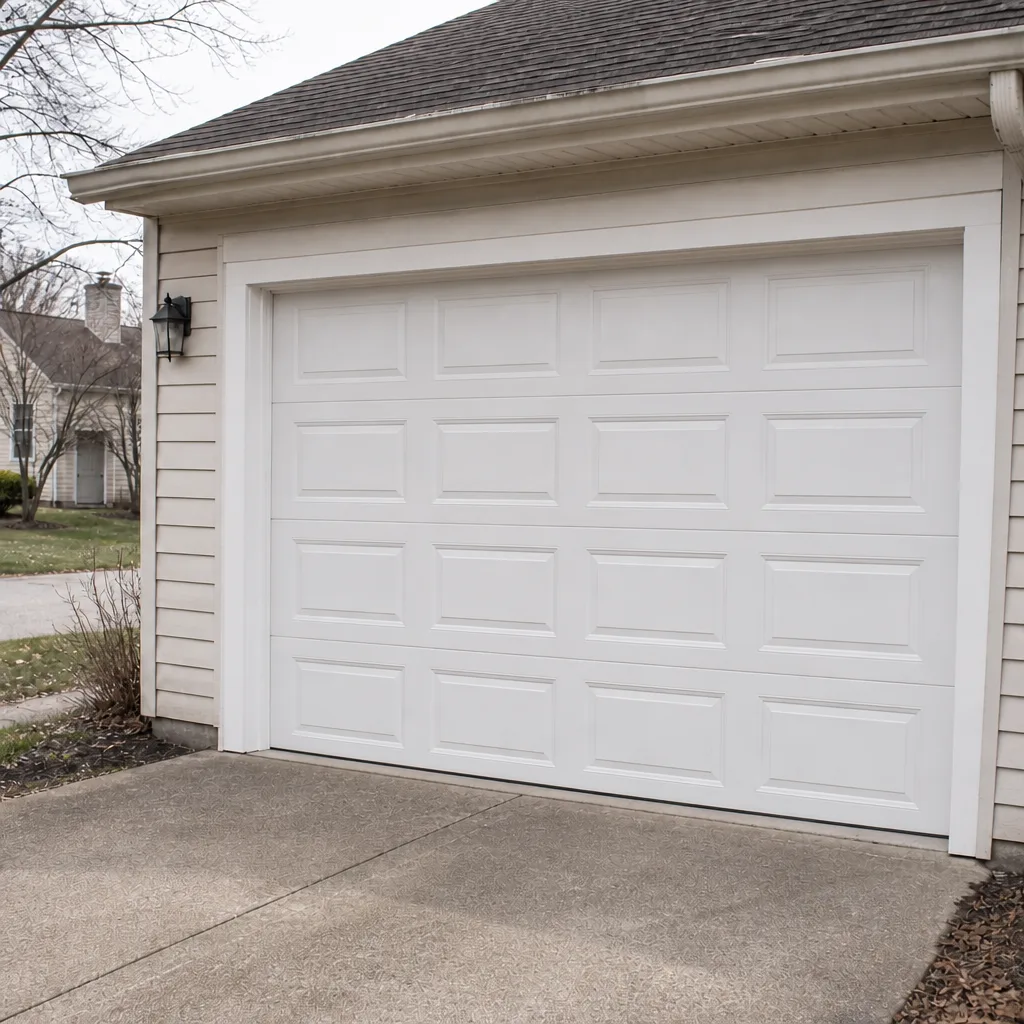 After
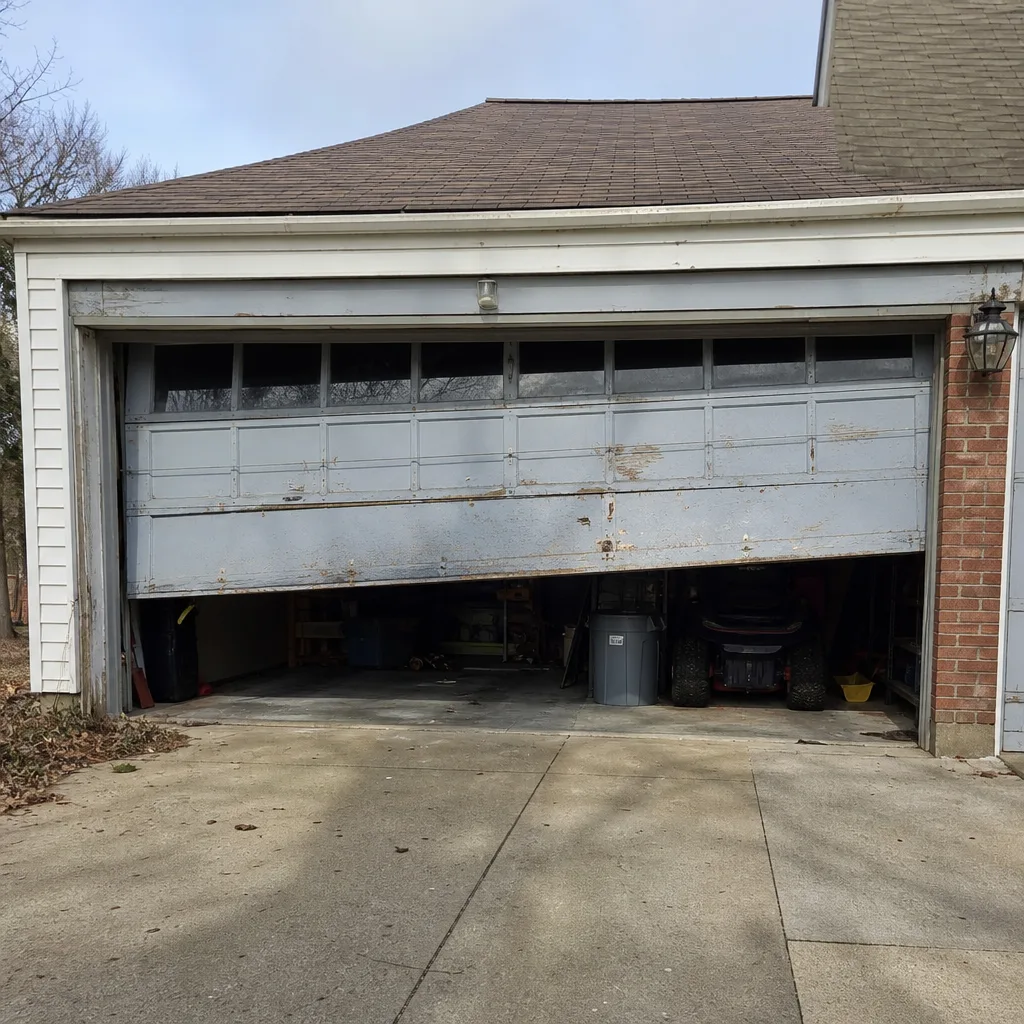 Before
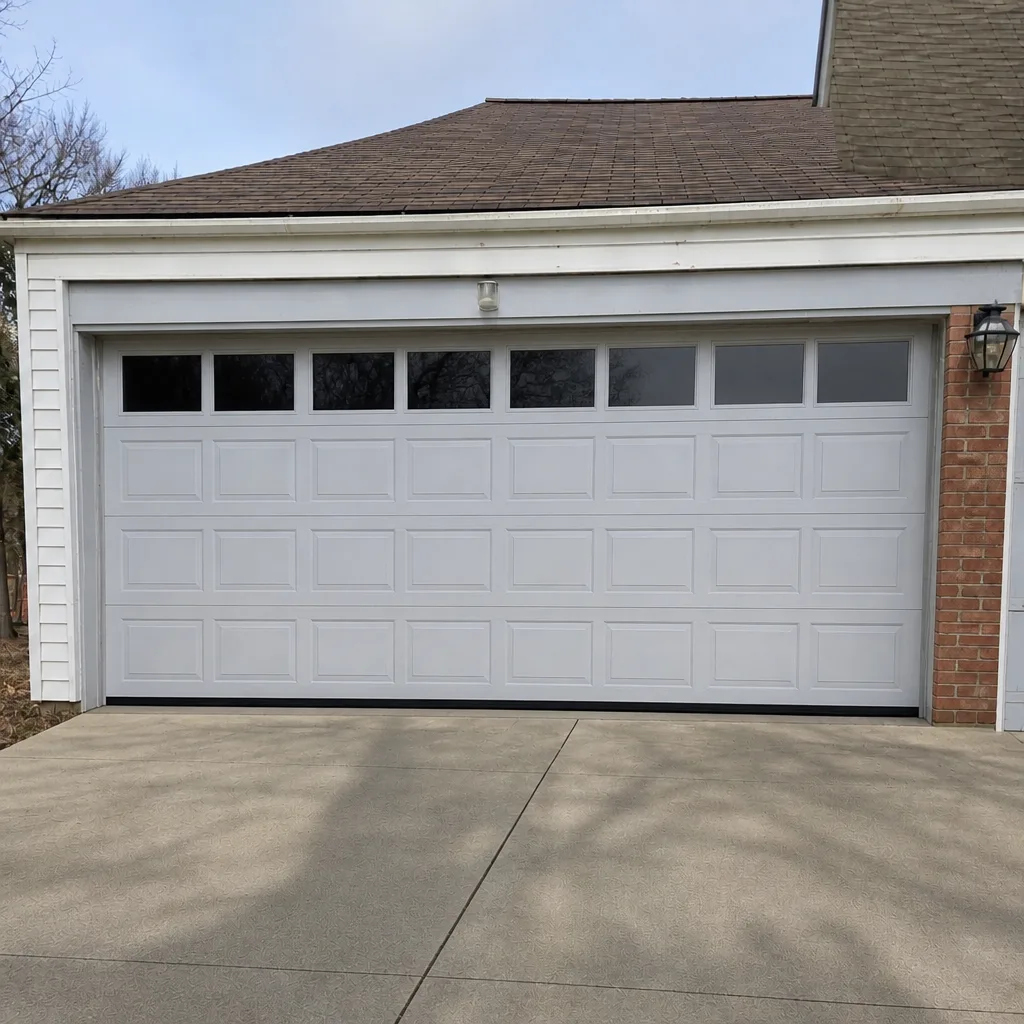 After
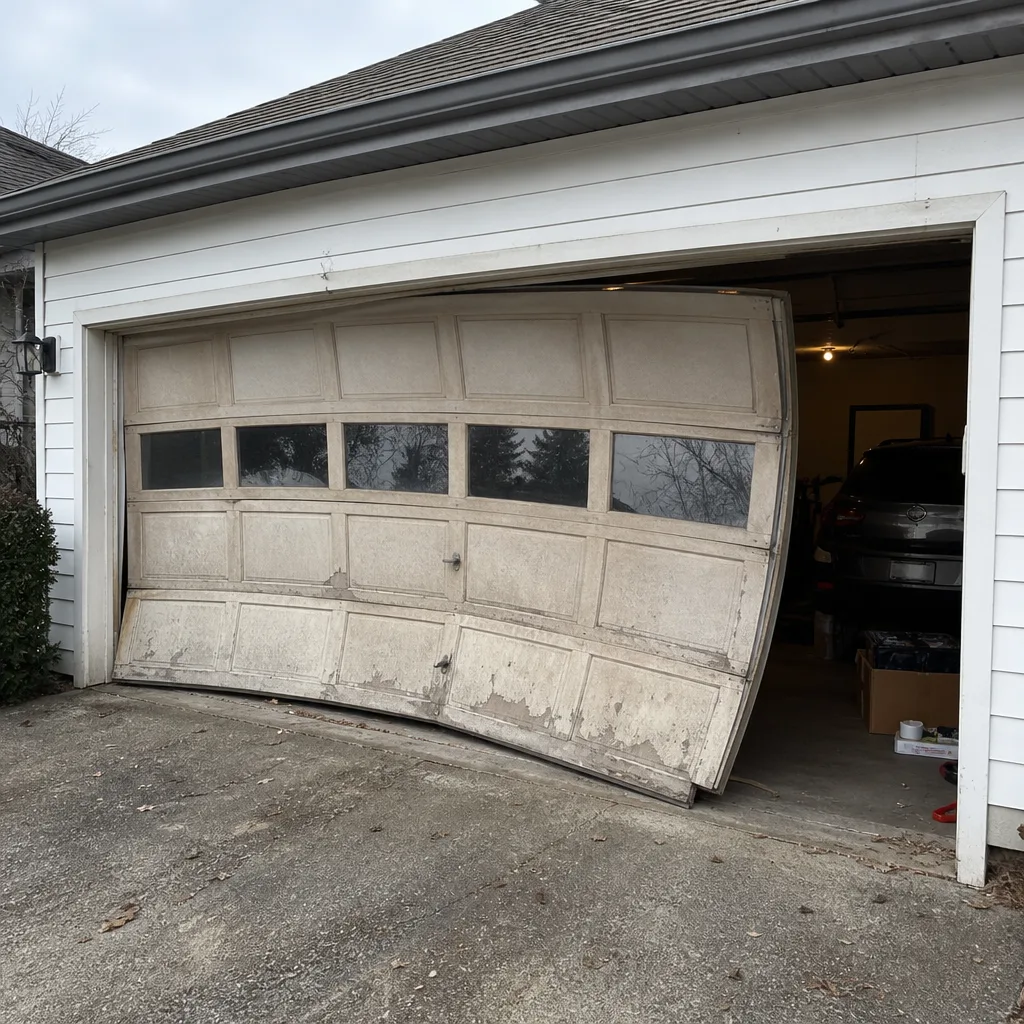 Before
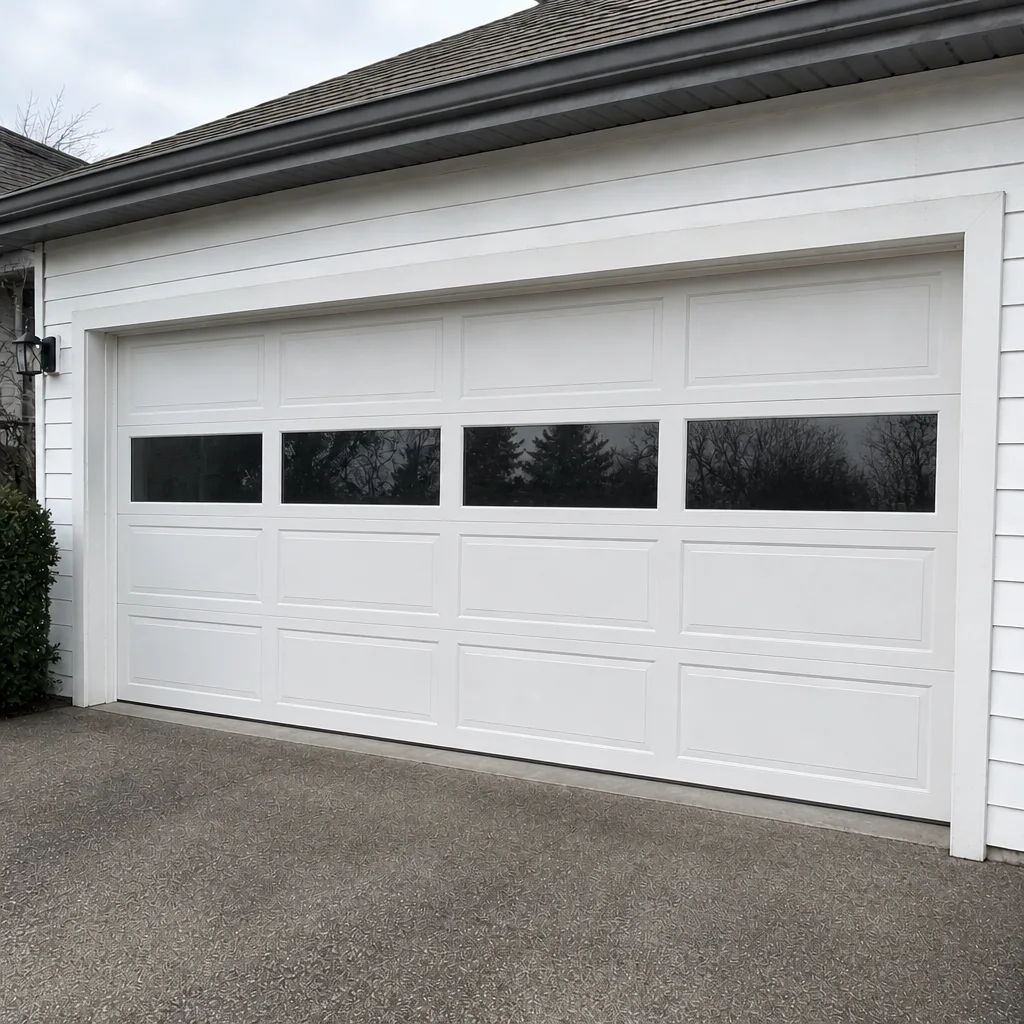 After