Last updated November 22, 2026
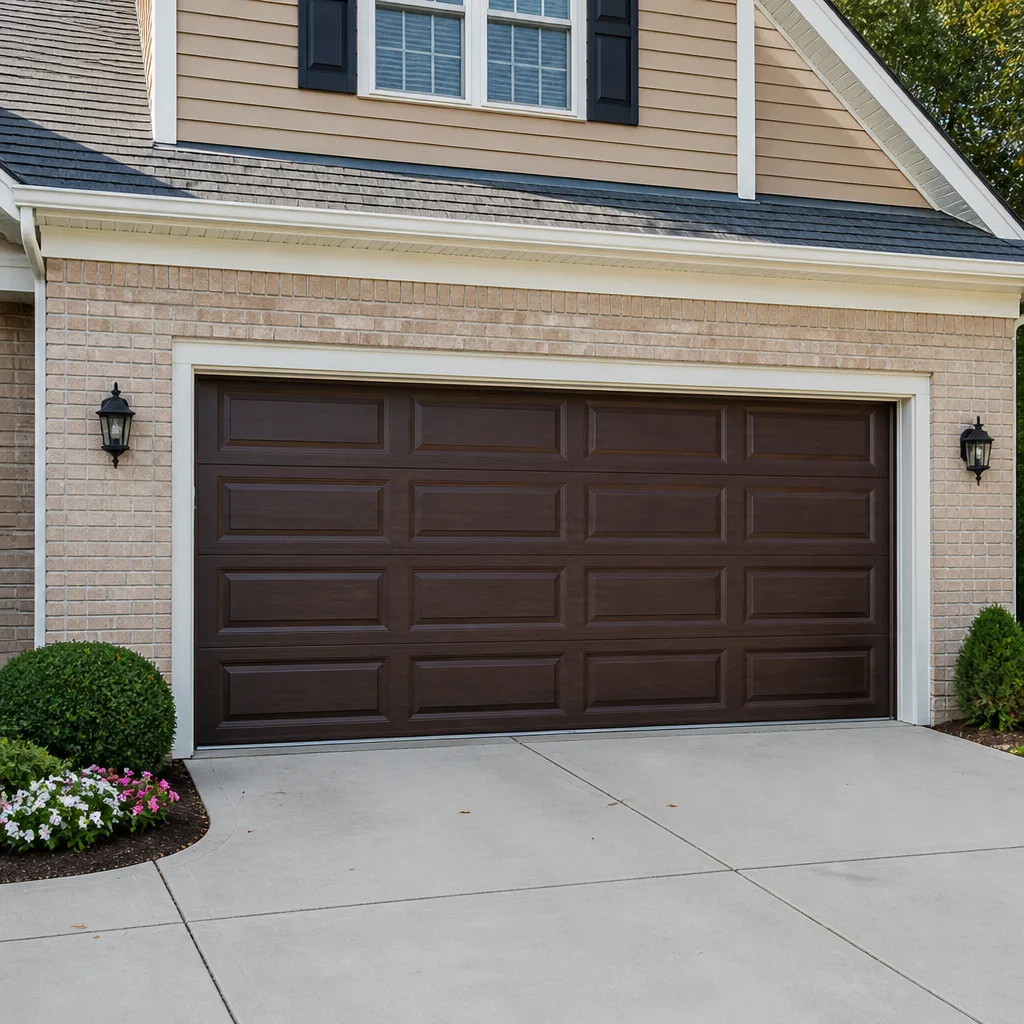 Raised-panel steel
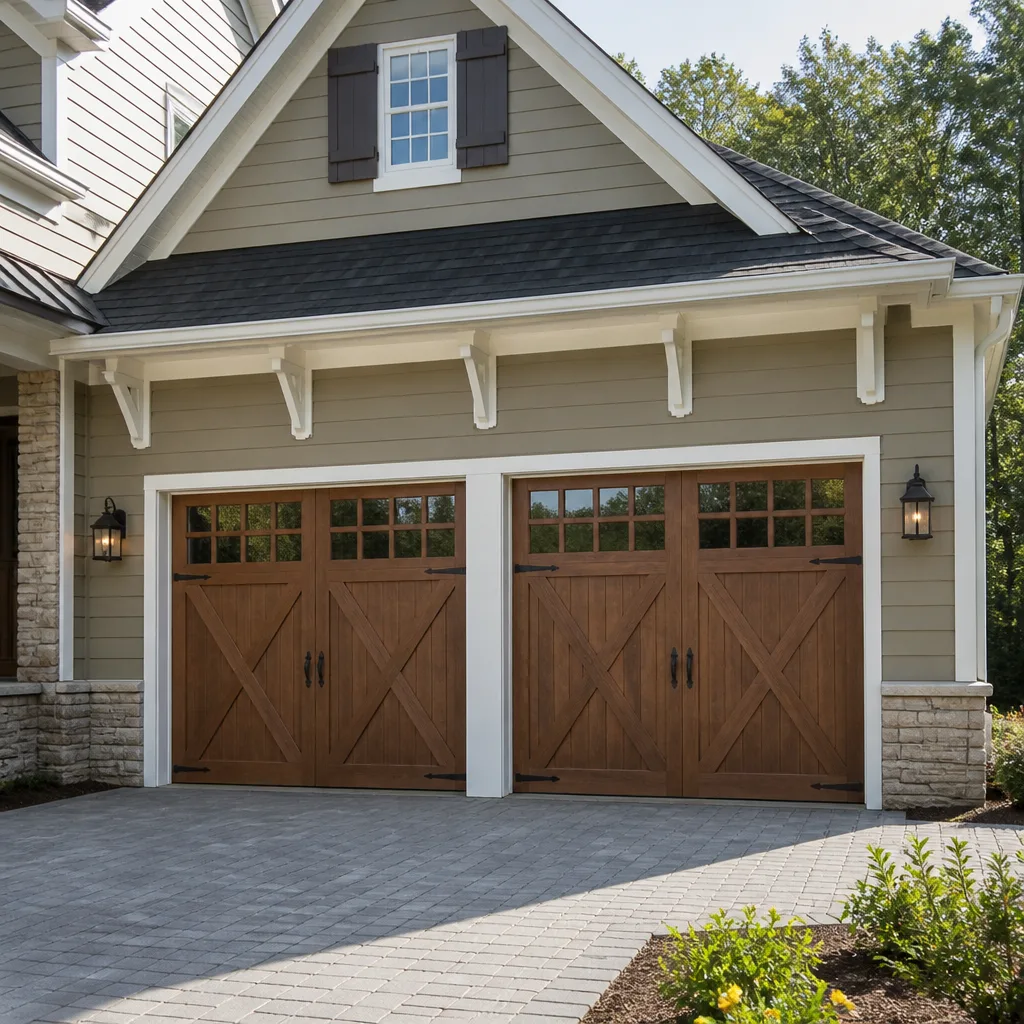 Carriage house
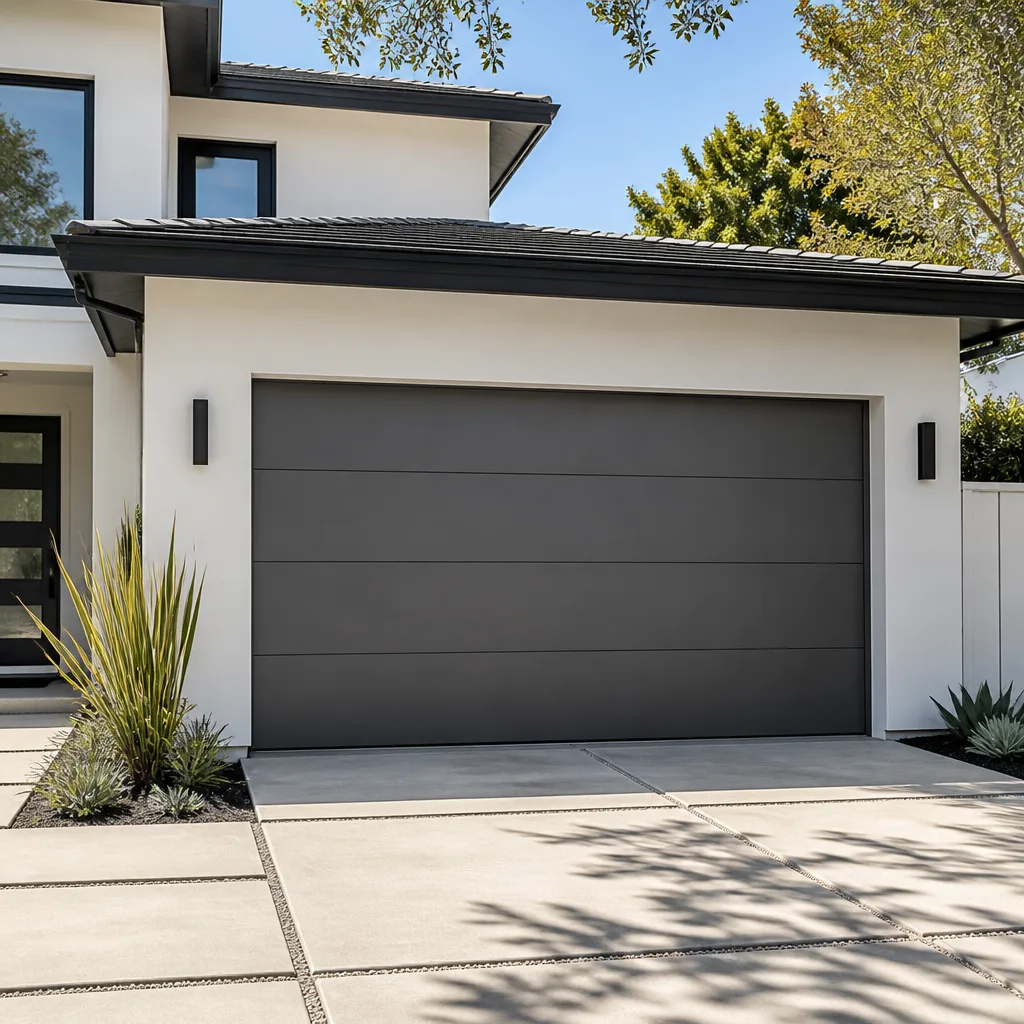 Modern flush
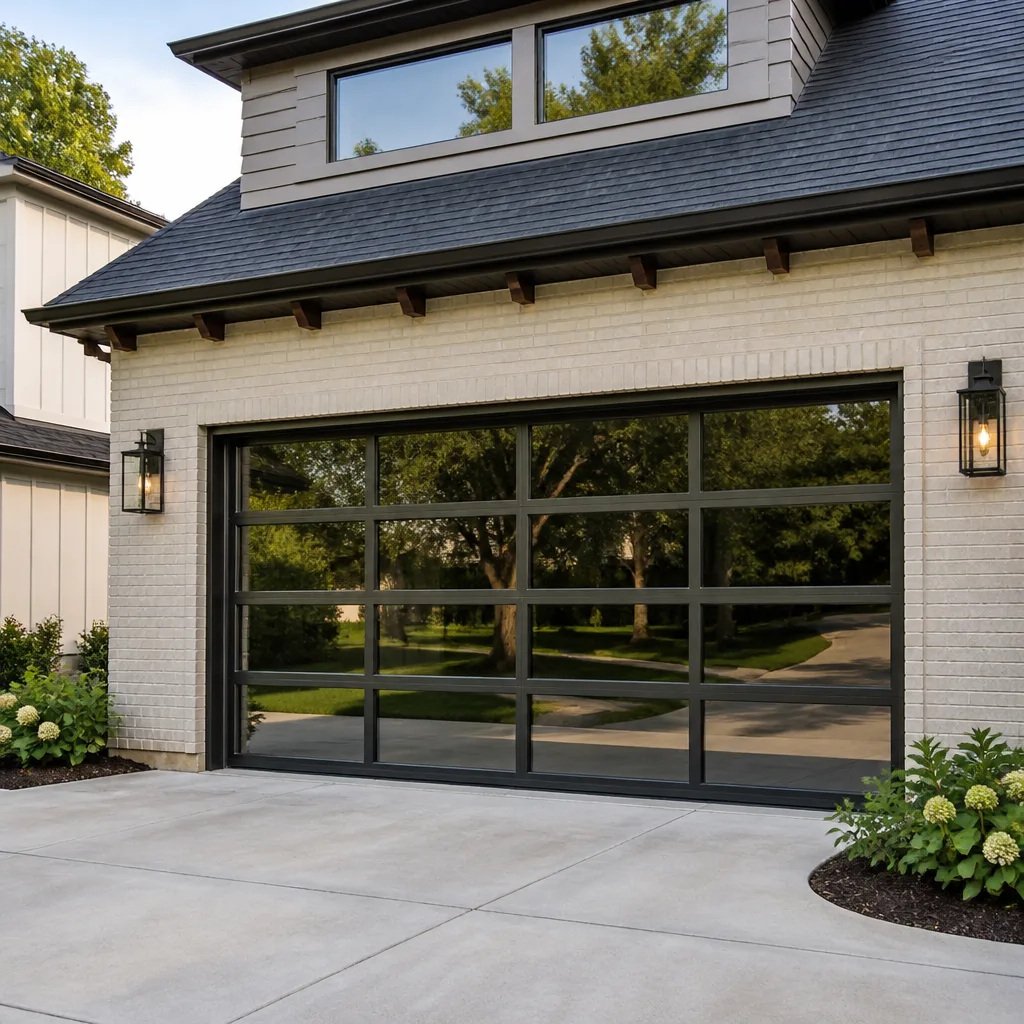 Full-view glass
 LiftMaster openers
 Chamberlain openers
Full 25-point door and opener safety check with every visit - springs, cables, rollers, tracks, and your LiftMaster or Chamberlain opener included
You get a price before we start. It does not change when the pro arrives.
Get your free estimateGarage Door Permits, Codes & Inspections in Strongsville, OH: What You Need to Know
Most Strongsville homeowners assume a garage door replacement is a simple swap: pick the door, pay the installer, done. In practice, a specific set of door projects triggers a City of Strongsville building permit and the inspections that come with it, and skipping that step doesn’t stay hidden forever. It surfaces at the most inconvenient moment possible – a resale home inspection, with buyers already under contract and a closing date on the calendar. This guide walks through exactly which garage door projects need a permit in Strongsville, which don’t, how Ohio’s residential code treats door openings on attached garages, where HOA architectural review can tangle with the city timeline, and how to pull permit history before you buy.
Quick Answer
In Strongsville, replacing a garage door or an opener in a like-for-like swap generally doesn’t require a building permit, but new door installations that involve structural changes – widening an opening, altering framing, adding a new door where none existed, or modifying the fire separation wall on an attached garage – typically do. Repair work like springs, cables, rollers or opener parts is a service call, not a permitted project. If you’re unsure which category your job falls into, ask the City of Strongsville building department before work begins; a quick call now saves a headache during a home inspection later.
Styles & brands we work with
- Raised-panel steel
- Carriage house
- Modern flush
- Full-view glass
- LiftMaster openers
- Chamberlain openers
Table of Contents
- Which garage door projects require a Strongsville building permit?
- What does the Ohio Residential Code say about garage doors and fire separation?
- How HOA architectural review interacts with the city permit timeline
- What a failed garage door inspection actually looks like
- How to check permit history before you buy a Strongsville home
- How to hire a garage door contractor the right way
- How permits and inspections play out in real Strongsville projects
Which garage door projects require a Strongsville building permit?
The clearest way to think about permits in Strongsville is this: repairs don’t need one, and replacement of a same-size door in the same opening usually doesn’t either. What changes the answer is structural scope. A permit is generally required when the work touches the structure of the garage, the size or location of the opening, or the wall that separates an attached garage from the living space. A straightforward garage door installation in an existing opening is a different animal from a project that adds framing.
Here’s how the split usually looks in and around Strongsville:
- No permit typically required: replacing a broken spring, cable, roller, hinge, panel or opener; swapping a same-size door into an existing opening with the same track and hardware configuration.
- Permit typically required: widening or narrowing a garage opening; removing a load-bearing element around the opening; lowering or raising the header height; converting an existing opening into a garage door where there wasn’t one; any work that pierces or modifies the fire separation wall between an attached garage and the house.
- Permit and careful documentation required: adding a garage door to a structure where the fire separation wall must be re-established or inspected.
A quick call to the City of Strongsville building department with the address and the scope of work gives you a definitive answer for your specific job. That call takes minutes, and it eliminates the gray area. In our experience, homeowners most often get this wrong when a contractor widens the opening “just a little” to fit a wider door – and that small change is exactly what triggers permit and inspection requirements.
What does the Ohio Residential Code say about garage doors and fire separation?
The Ohio Residential Code treats the garage as a distinct fire-risk space. When a garage is attached to a house, the wall and ceiling separating the garage from the living space is a fire separation assembly, and the code sets requirements for that assembly that affect how garage door openings and the surrounding framing are constructed and protected. The exact application to your project is something to confirm with the City of Strongsville building department, since local amendments and interpretations govern how the code is enforced on the ground.
For a Strongsville homeowner, the practical takeaway is this: any project that changes the shape, size or framing of a garage door opening on an attached garage is a project that touches the fire separation. That makes it both a permit conversation and an inspection conversation. The door itself is part of the picture too – the code and the fire separation requirements work together, which is why a permit reviewer or inspector may ask how the door closes, how it seals, and whether the frame details are intact.
A few specific conditions worth knowing:
- A door opening that is widened or relocated changes the geometry of the fire separation wall and may require additional framing and inspection.
- The ceiling of an attached garage falls under the same separation concept, so a project that affects the garage ceiling plane is worth a conversation with the building department.
- If the garage has living space above it, the requirements around the separation assembly become more involved, and it’s worth verifying scope with the city before demolition starts.
We aren’t the building department and we don’t issue permits, but we work on the doors themselves every week and we’re familiar with how these conversations go. When you call us, we’ll tell you honestly whether your project sounds like one that will need a permit – and we’ll tell you when it’s a straightforward repair that doesn’t.
How HOA architectural review interacts with the city permit timeline
Strongsville has a mix of established subdivisions and newer developments with active homeowners associations, and many of them have architectural review requirements that run alongside the city permit process. The two can conflict, and that conflict is one of the most common reasons a garage door project stalls. Architectural review usually happens first, before work begins; city permits require the approved plans before the building department will issue the permit. Skipping either step leaves you exposed.
Here’s how to sequence both so they don’t fight each other:
- Check your HOA documents first. Find the architectural review procedure for your subdivision – most HOAs have a form, a required set of documents, and a review timeline. Some require a meeting date, which is the biggest scheduling risk.
- Submit the architectural review application with the door specifications. Include the manufacturer, model, color, material, window configuration and dimensions. Doors and openers from Clopay, Amarr and Raynor, for example, come in styles and finishes that most HOAs already recognize; specifying those precisely makes review smoother.
- Get the HOA approval in writing. A verbal approval from a board member won’t satisfy a permit reviewer or future home inspector.
- Apply for the city permit (if required) with the HOA approval attached. The building department is looking for a clear scope of work and confirmation that the project is approved by the community’s rules.
- Schedule the work only after both approvals are in hand. This is the step where homeowners get burned – the contractor shows up, the door is installed, and then the HOA complains because approval was never documented.
- Keep both approval letters with your home records. They matter at resale.
The conflict usually comes from timing: HOA review can take longer than the permit review, and some HOAs require periodic meetings rather than ongoing approvals. Start the HOA process as early as possible. If your project also requires a permit, work backwards from both timelines. In our experience, when a homeowner calls us about a new door and mentions an HOA, we ask them to get the architectural approval squared away first – the door isn’t going anywhere.
What a failed garage door inspection actually looks like
A garage door inspection that goes badly usually doesn’t fail because of the door itself. In most of the failed inspections we hear about, the correction is structural, not cosmetic. The inspector is looking at the opening, the framing around it, the fire separation requirements and whether the installed work matches what was permitted. When something doesn’t line up, the correction is often more work than the original install.
The corrections that come up most often:
- Framing that was altered without inspection. A wider opening installed after the framing inspection was supposed to happen means the inspector can’t verify the load path or fire separation assembly.
- Header or trim details obscuring the structure. Drywall, insulation or finish that covers the fire separation without the required fire-rated material results in a correction to open the wall and redo it.
- Door not matching the permitted specifications. If the permit application lists a specific door type or fire rating and a different door was installed, the inspector will flag the mismatch.
- Missing hardware or safety components on the opener. Modern openers require a working safety reversal system; an opener that fails the reversal test gets noted, and that correction is easy but has to be done.
- The install happened without a permit that was required. This is the correction with the longest shadow – it can result in a stop-work, a retroactive permit with a penalty, and a home inspection problem years later.
When an inspection fails, the process is fixable. The inspector issues a correction notice, the contractor corrects the item, and the work is re-inspected. The trouble comes from the timeline – a correction that requires re-opening walls or re-framing can add days or weeks to a project, and it costs money that wasn’t in the original budget. The single best way to avoid a failed inspection is to file the permit accurately and to keep the scope of work honest from the start.
How to check permit history before you buy a Strongsville home
If you’re buying a Strongsville home, checking the garage door permit history is one of the smartest steps you can take before signing. A door that was installed without a permit, or a door that was installed with a permit that was never inspected, is a hidden liability – and the buyer’s home inspector will likely flag it. Pulling permit history is a public records request to the City of Strongsville building department, and it’s usually straightforward.
- Ask your real estate agent for the property’s permit history at the city building department. Most agents can request it as part of the inspection contingency. If you’re not using an agent, you can request it directly.
- Compare any garage-related permit against the door currently installed. Look for a permit for “garage door replacement” or “garage structural modification,” the permit date, and whether the permit was finalized with an inspection.
- Look for a final inspection record. A permit that was issued but never finished with a passed inspection is a red flag – the work may have been completed without inspection, or not completed at all.
- Verify the door specifications against the original permit. If the permit lists a door model or material and the actual door is different, that mismatch is worth a conversation with your inspector and your agent.
- If you find an unpermitted door, get an estimate for the correction before you close. A repair or a retroactive permit isn’t necessarily a deal-breaker, but it should be priced into the negotiation.
- Ask the seller for any HOA architectural approval documents. These don’t go to the city building department, so they have to come from the seller or the HOA.
This is where the “worst possible moment” scenario plays out. A home inspection reveals an unpermitted door, buyers and sellers disagree over who fixes it, a closing gets pushed, and everyone spends money they didn’t plan to spend. Pulling permit history on the front end, as soon as you’re under contract, is how you avoid it. If you’re buying in Strongsville, add this to your due-diligence checklist next to the roof and the furnace.
How to hire a garage door contractor the right way
Hiring the right garage door contractor in Strongsville is mostly about asking the right questions before work starts. The permit rules themselves are clear; the risk lies in hiring someone who treats the permit process as an inconvenience rather than a step. A good contractor will tell you when a permit is required, will submit the paperwork, and will be present for the inspection. A bad one will tell you “you don’t need a permit” without checking, install the door, and disappear when the correction notice shows up.
What to ask before you sign:
- “Will this project require a permit?” The answer should be specific and grounded in the scope, not a blanket yes or no.
- “Who submits the permit?” In most cases the contractor of record does, but confirm that in writing.
- “Will you be the one at the inspection?” The person who installed the work should be present for the inspection.
- “Are you insured and licensed as the State of Ohio requires for this trade?” Ask for documentation. Never take a verbal yes.
- “What brand expertise do you have?” A garage door specialist works across major brands – LiftMaster, Chamberlain, Craftsman and others in regular rotation. If a contractor tells you they don’t work on a particular brand, that’s worth knowing before they show up.
- “Do you have the written estimate in hand?” The price should be quoted and agreed before work starts, not generated after the fact.
A garage door specialist understands the door, the opener and the code interconnections. A general contractor will do the framing and the drywall and may install a door too, but they’re less likely to catch the small details – the fire separation assembly, the opener’s safety reversal test, the HOA specifications. When a project has both a compliance angle and a technical angle, the specialist should be the one holding the door end of it.
How permits and inspections play out in real Strongsville projects
Here’s what we see across Strongsville neighborhoods. In the older subdivisions and around the town center, most garage door work is a repair or a same-size replacement – springs, openers, cables, one panel. That’s usually not a permit project, and the work is done in a single visit. The interesting cases come up in two places: new-build communities where a homeowner is customizing the door, and older homes where a homeowner is renovating the garage opening itself. The first tends to involve HOA review, and the second tends to involve permits and inspections.
Ohio’s seasons affect the schedule. Winters in Strongsville are hard on springs, cables and opener motors, so repair volume peaks in the cold months, and the doors that fail in January are the same doors homeowners end up replacing in spring. If you’re planning a full door replacement, the best time to start the permit and HOA process is late winter, before the spring installation backlog. That keeps the timeline in your hands rather than the calendar’s.
On the technical side, the door and opener work is where our team focuses. We work across the major brands: LiftMaster and Chamberlain openers, Craftsman equipment, Clopay, Amarr and Raynor doors. If a replacement requires structural work, we’re clear about where our scope ends and where a licensed framing and drywall contractor needs to step in before the inspection happens. That’s not a knock on any contractor – it’s how the permit process is supposed to work. For day-to-day issues that don’t involve a permit at all, our garage door repair work and our garage door opener repair handle the vast majority of what Strongsville homeowners call about, and most of it is resolved without a permit ever entering the picture. If a door is stuck and won’t close, our emergency response is available for situations that can’t wait for a next-business-day appointment.
Common Mistakes to Avoid
- Skipping the permit call because “it’s just a door swap.” Most swaps don’t need a permit, but a widened opening does, and the difference is structural. Make the call to the City of Strongsville building department before work starts.
- Getting HOA approval after the door is installed. Architectural review runs before install, not after. Submitting a photo of the finished door to your HOA and hoping they sign off is a recipe for a correction request.
- Assuming the contractor is handling the permit without confirming it in writing. If the scope requires a permit and neither party submitted for one, the homeowner is the one who owns the problem at resale.
- Buying a Strongsville home without pulling permit history. The city building department will give you the record, and the inspection contingency is when you have the most leverage to negotiate a fix.
- Letting the opener installation skip the safety reversal test. Modern openers require a working safety reversal, and a failed test is one of the easiest corrections to avoid – or to fix before an inspector finds it.
- Hiring a generalist who is “pretty sure” the project is fine. Garage door work is specialist work, especially when a permit and fire separation are involved. Ask specifically about brand experience and permit history.
- Throwing away the HOA and permit paperwork after the project. Both matter at resale. Keep the approval letters, the permit record and the final inspection sign-off with your home documents.
See the difference
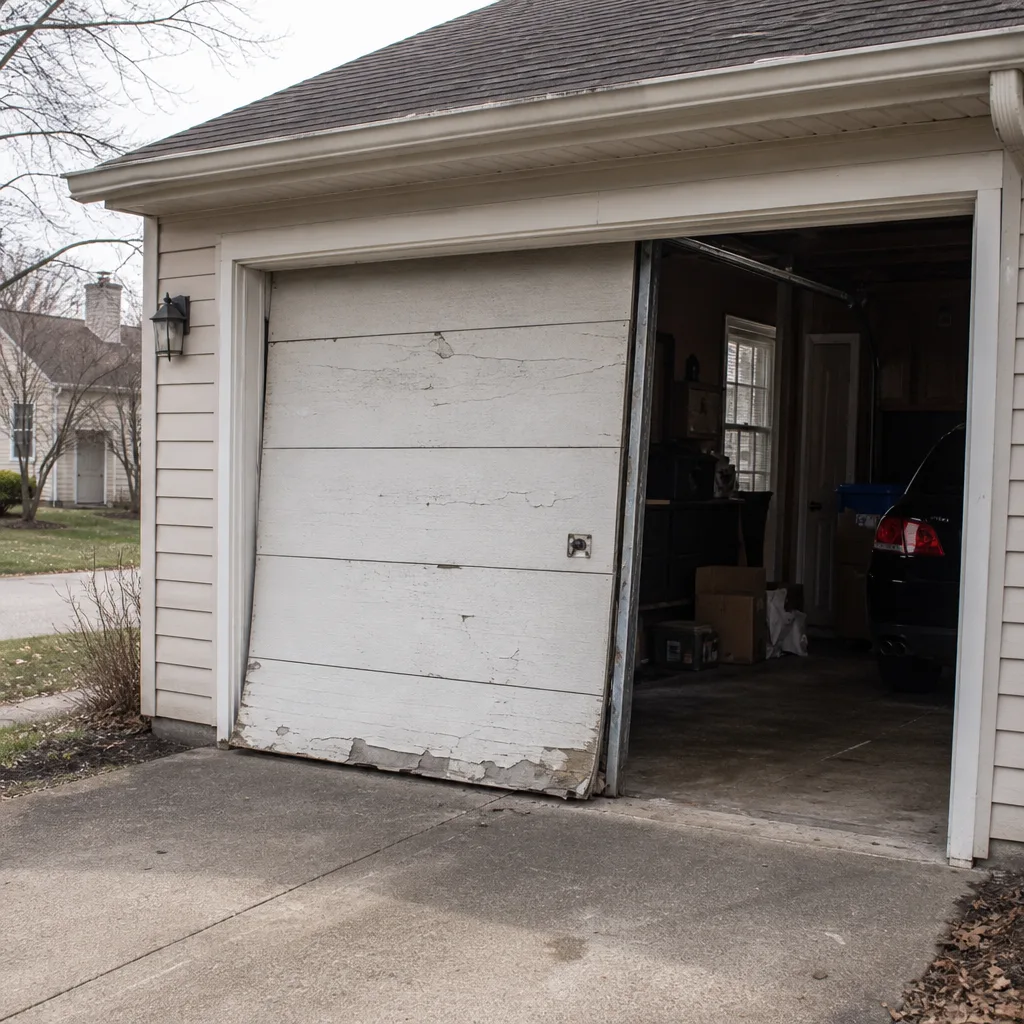 Before
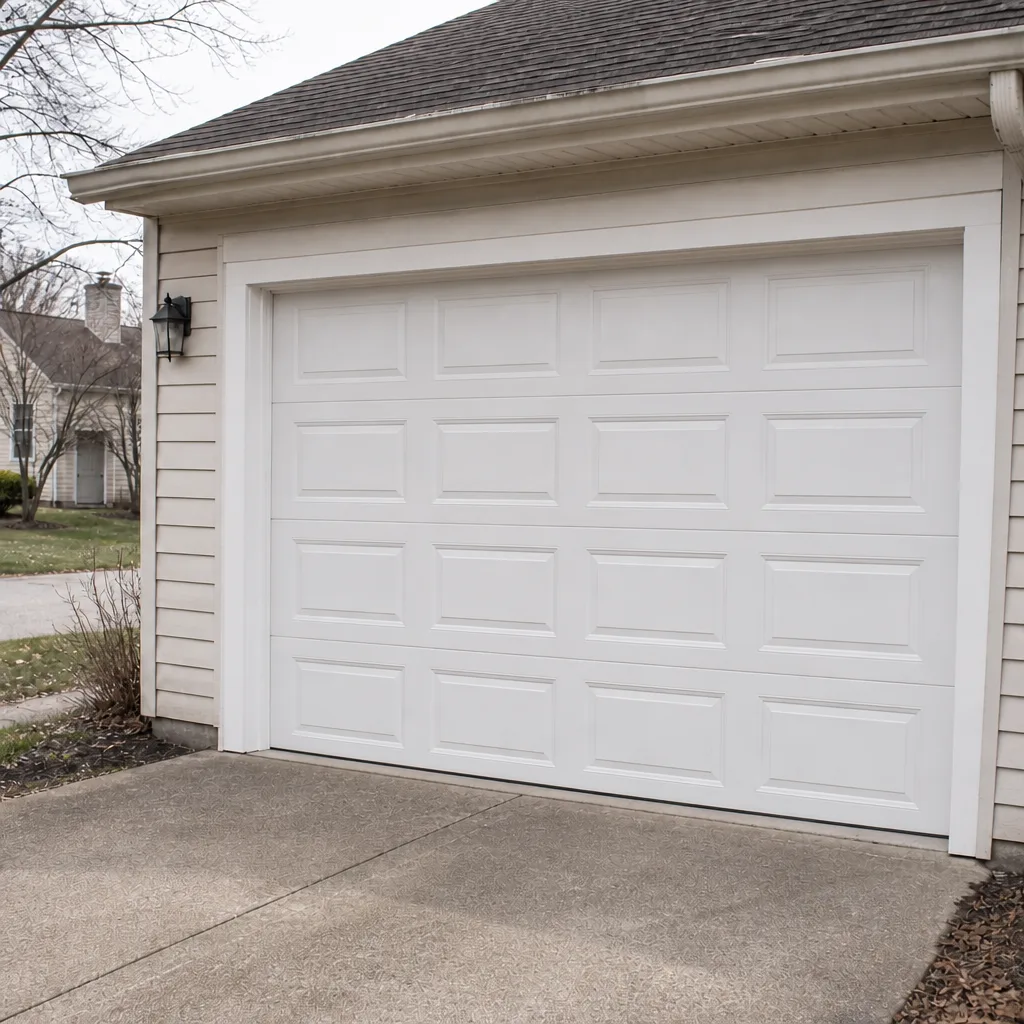 After
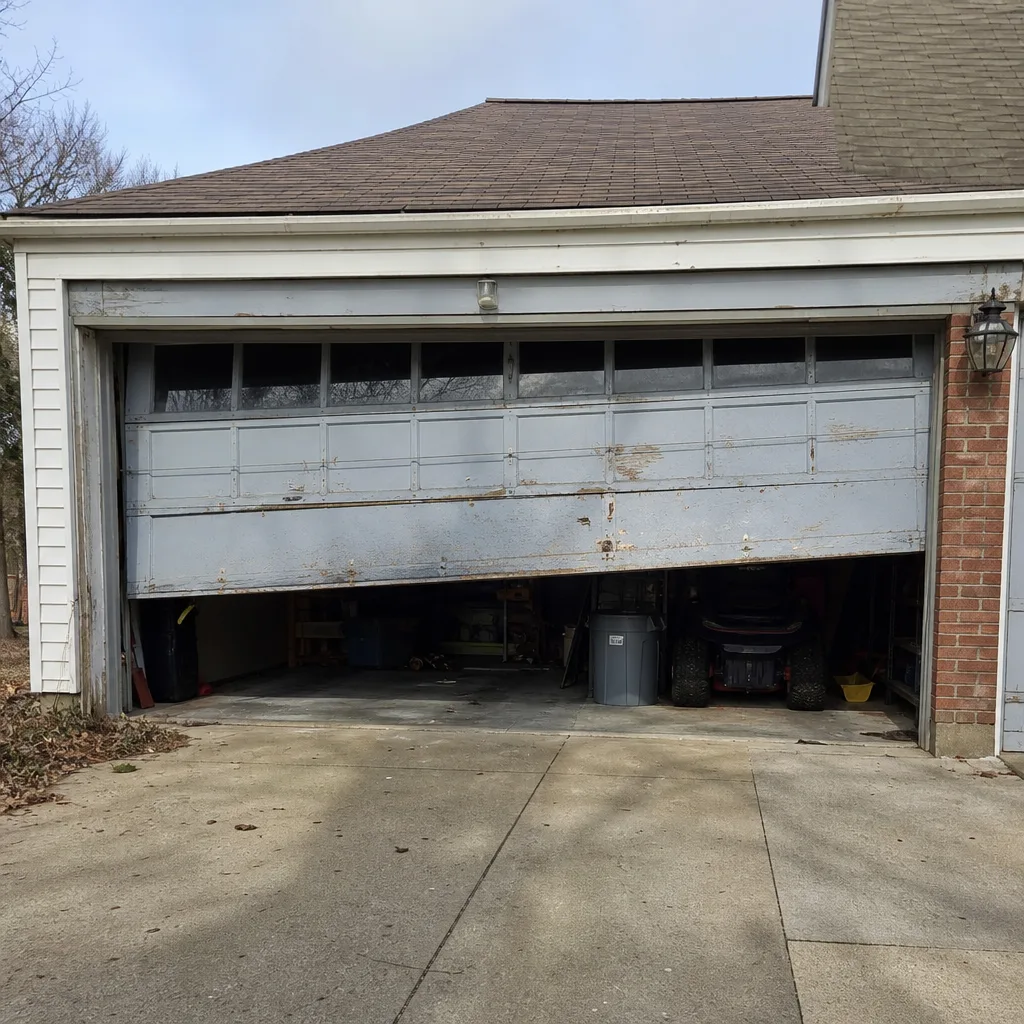 Before
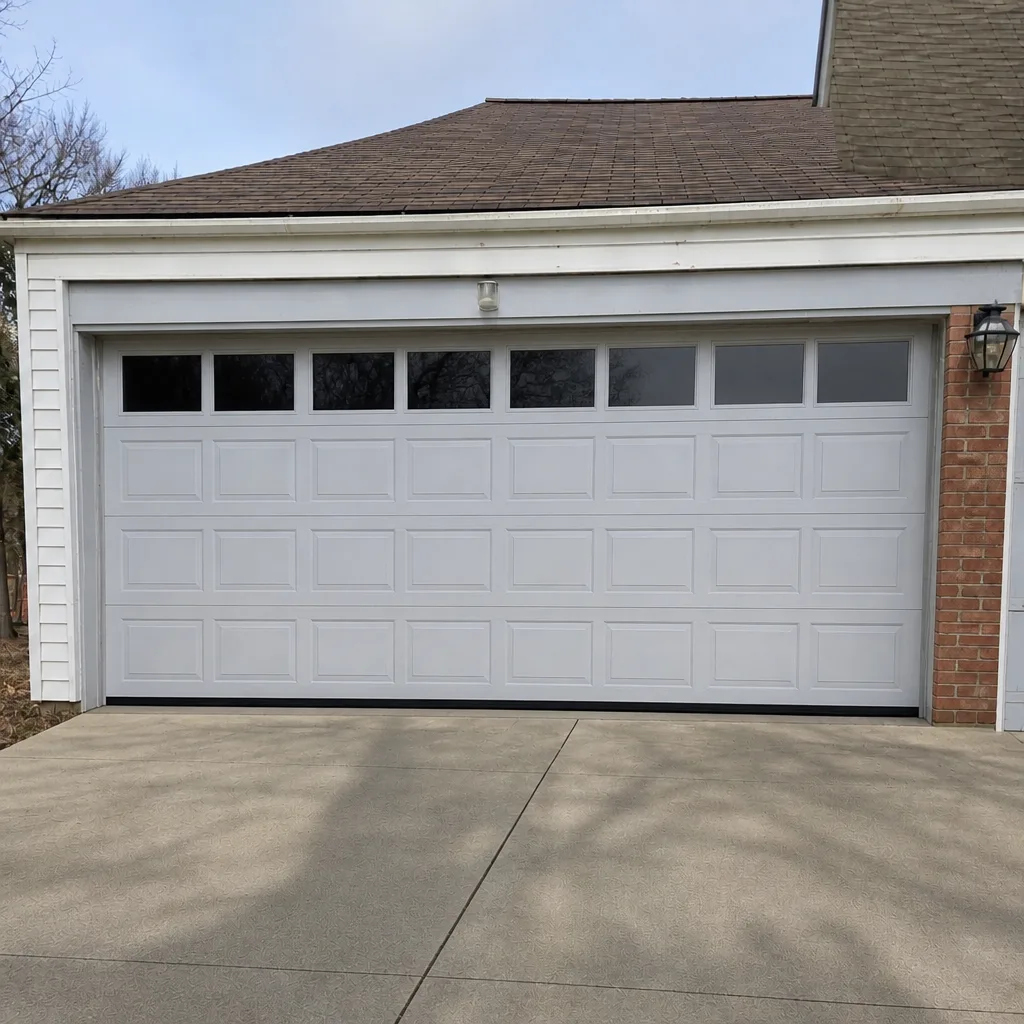 After
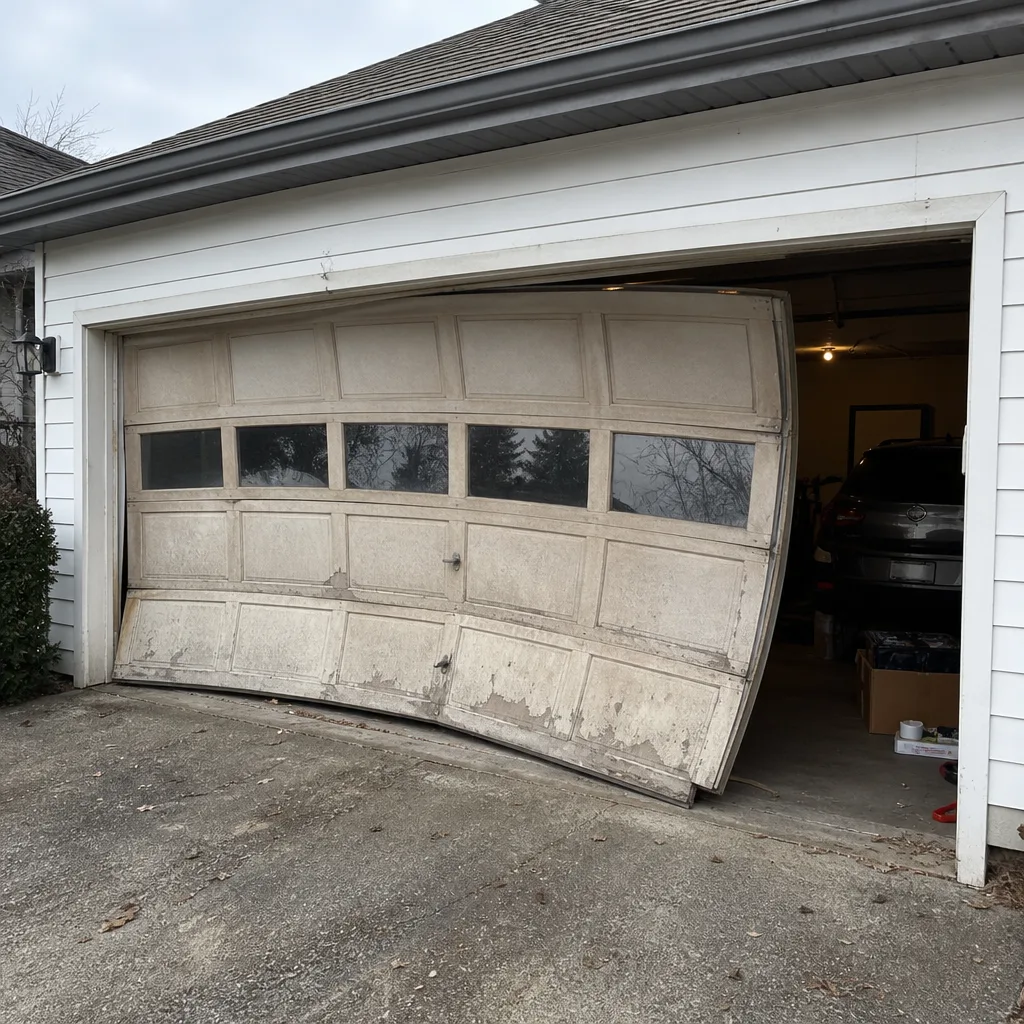 Before
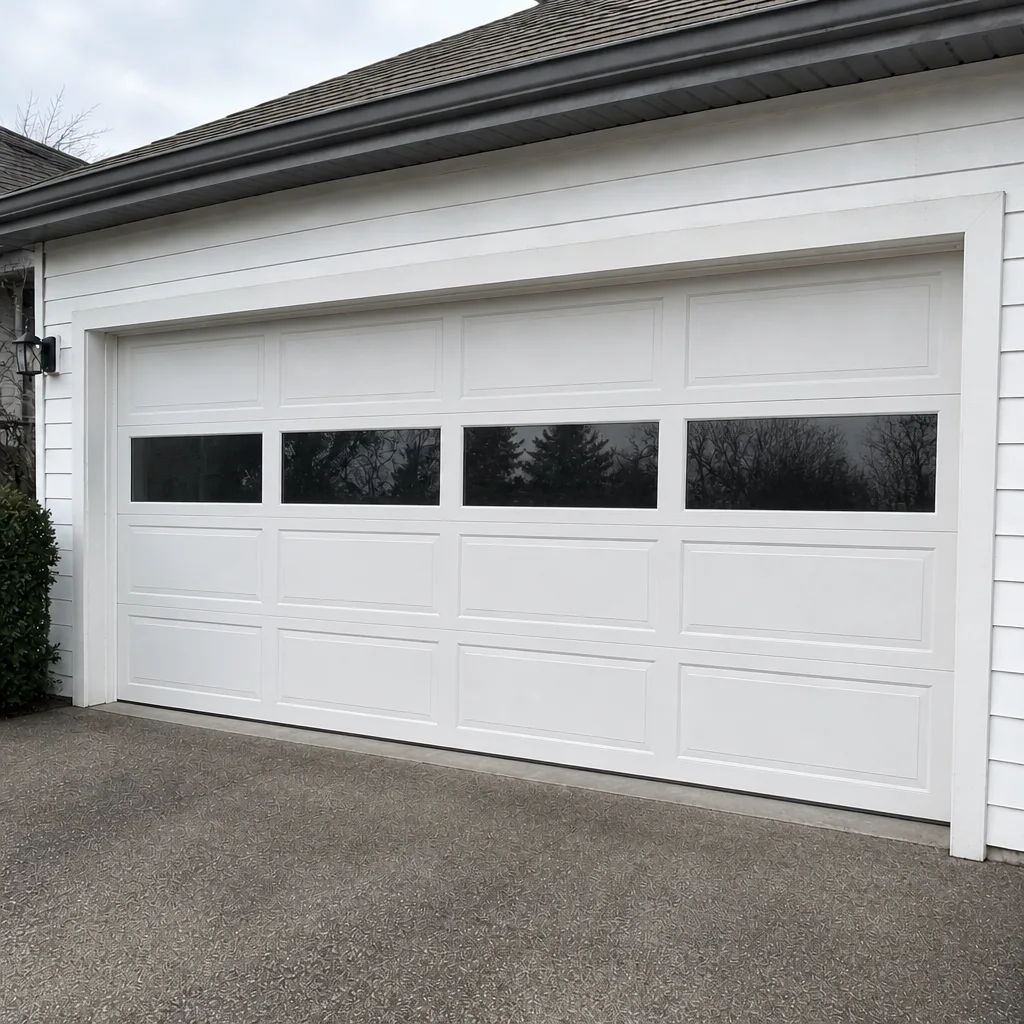 After
When to Call a Professional
Some garage door situations are obvious calls for a professional. A snapped torsion spring, a door that’s off its track, an opener that runs but won’t lift the door, a panel that’s been backed into – those are safety-critical, and the spring in particular is a repair that deserves trained hands and proper tools. If the door won’t open or won’t close and it’s past the usual business hours, our emergency garage door service exists for exactly that situation. If you’re planning a replacement and you’re not sure whether the project requires a permit, the conversation is worth having before demolition starts. Strongsville Garage Door Repair Pros offers free estimates in Strongsville – call (855) 819-6202, and we’ll give you a written price you can compare against anyone else’s.
Frequently Asked Questions
In most cases, no. A same-size replacement in an existing opening, and repair work on springs, cables, openers or panels, typically does not require a City of Strongsville building permit. A permit is usually required when the project involves structural changes to the opening, framing, or the fire separation wall on an attached garage. Call the Strongsville building department with your scope to confirm. For the door work itself, call (855) 819-6202 for a free estimate.
The fire separation wall is the wall and ceiling assembly that separates an attached garage from the living space in the home. Ohio’s residential code treats this as a fire-safety component, and projects that alter the garage door opening – widening, moving, reframing – touch that assembly. That’s why those projects are both a permit and an inspection matter. Confirm the specifics with the City of Strongsville building department before work starts.
Request the property’s permit history from the City of Strongsville building department. Ask for garage-related permits specifically, and check for a final inspection record on each one. A permit that was issued but never finalized, or a door that doesn’t match the permitted specifications, is worth flagging to your home inspector. Do this during the inspection contingency, before you’re committed.
In most Strongsville subdivisions with architectural review, yes – get the HOA approval first, then submit the permit application with the approval attached. The HOA review and the city permit run on different timelines, and they can conflict if you don’t sequence them. Ask your HOA for the review process and start it as early as possible. For the door and installation side, call (855) 819-6202 for a free written estimate.
An inspection failure is fixable. The inspector issues a correction notice, the contractor corrects the item, and the work is re-inspected. The most common corrections involve framing that needs to be re-exposed, drywall that has to be replaced with fire-rated material, or a door that doesn’t match the permit specifications. The risk is time and cost, not a permanent record. Doing the permit right the first time avoids the correction entirely.
For repair and emergency calls, yes – we offer same-day service for garage door problems that can’t wait, including a door that won’t close or won’t open. Full door replacements and new installations are different: those require a measure first, a written estimate, and a scheduled install date. For either situation, call (855) 819-6202 and we’ll tell you what to expect. Estimates are free, and the price is quoted and agreed before any work starts.
The Bottom Line
Garage door permits in Strongsville aren’t complicated once you know the split: repairs and same-size replacements generally don’t need one, structural changes to the opening and anything touching the fire separation wall generally do. Add HOA architectural review into the sequence before the permit, check permit history before you buy, and hire a garage door specialist who will be present for the inspection. The paperwork is the boring part, but it’s the part that protects the value of your Strongsville home when you sell. If you need the door work done, call (855) 819-6202 for a free written estimate.
For the rest of our Strongsville coverage – from spring repair and opener service to full door installation – start at Strongsville Garage Door Repair Pros.
Written by the team at Strongsville Garage Door Repair Pros.