Last updated November 22, 2026
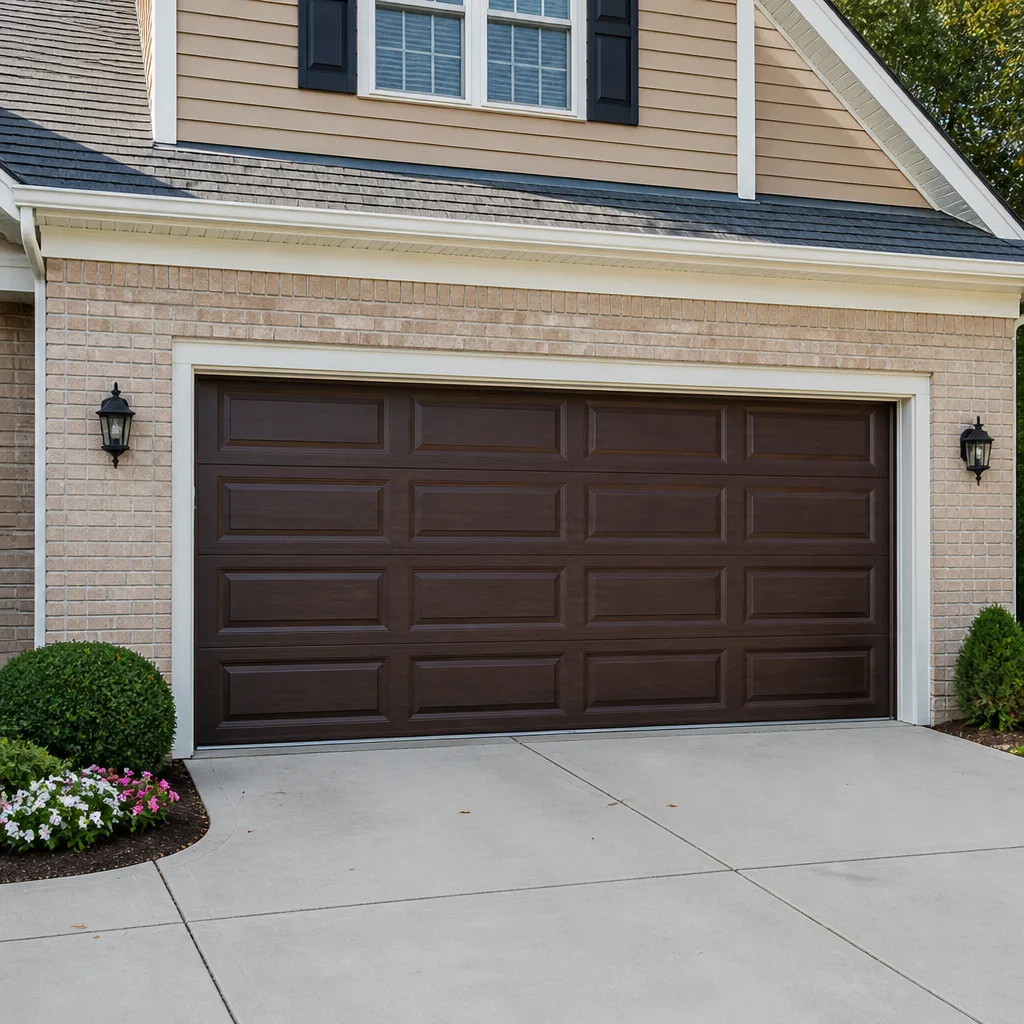 Raised-panel steel
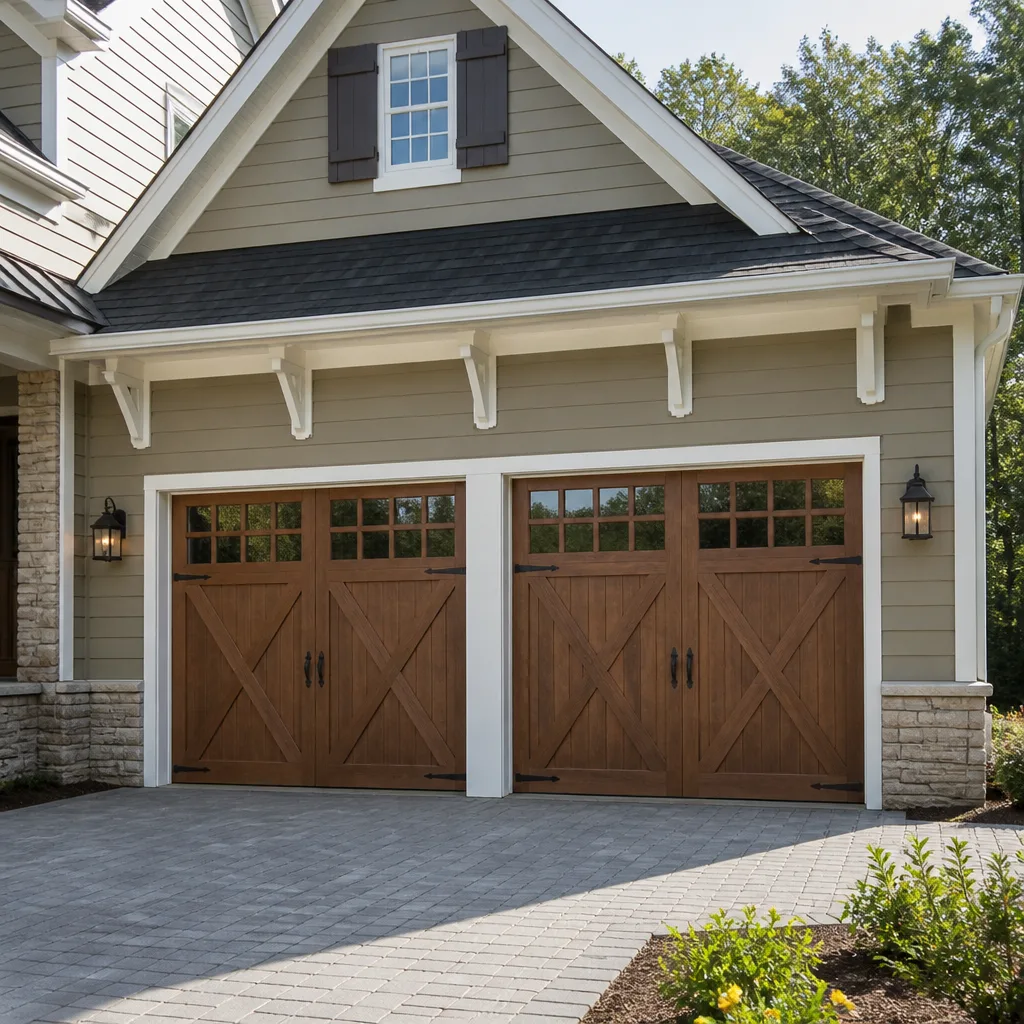 Carriage house
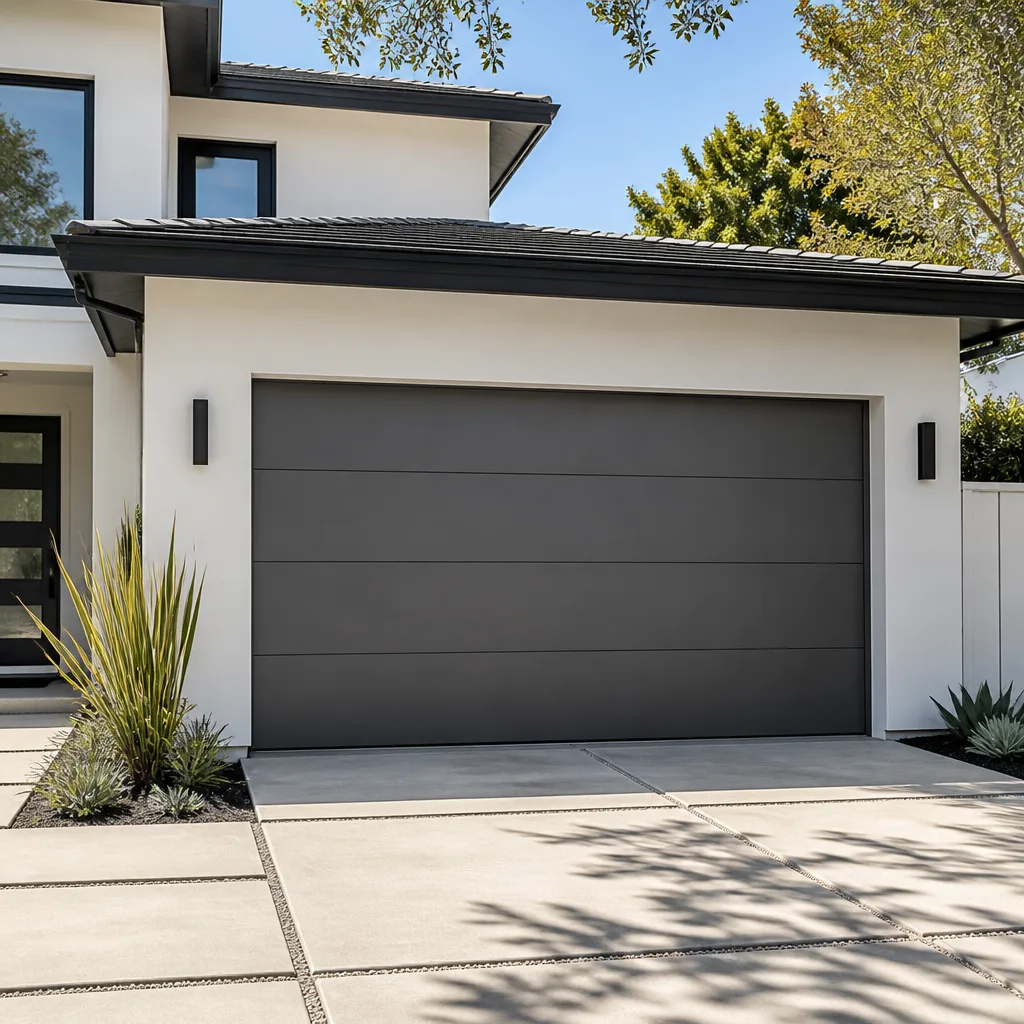 Modern flush
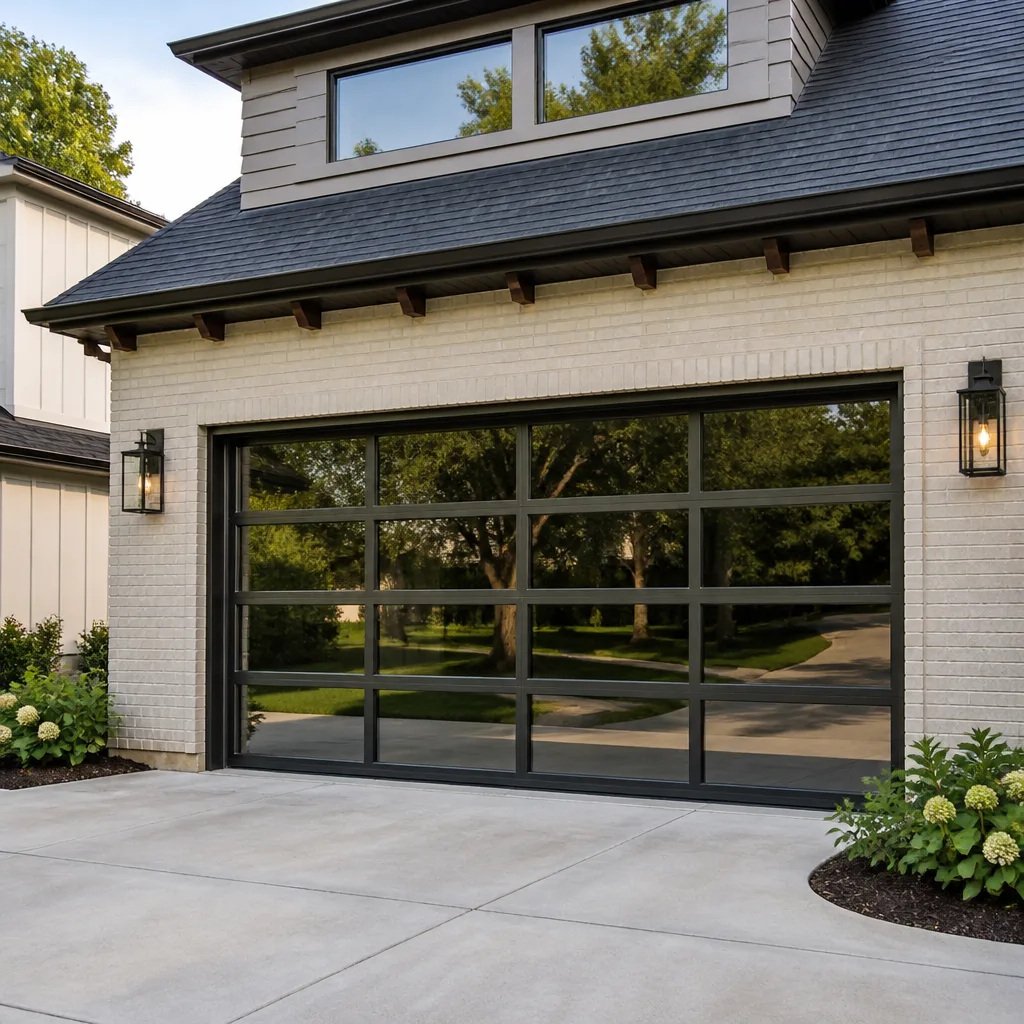 Full-view glass
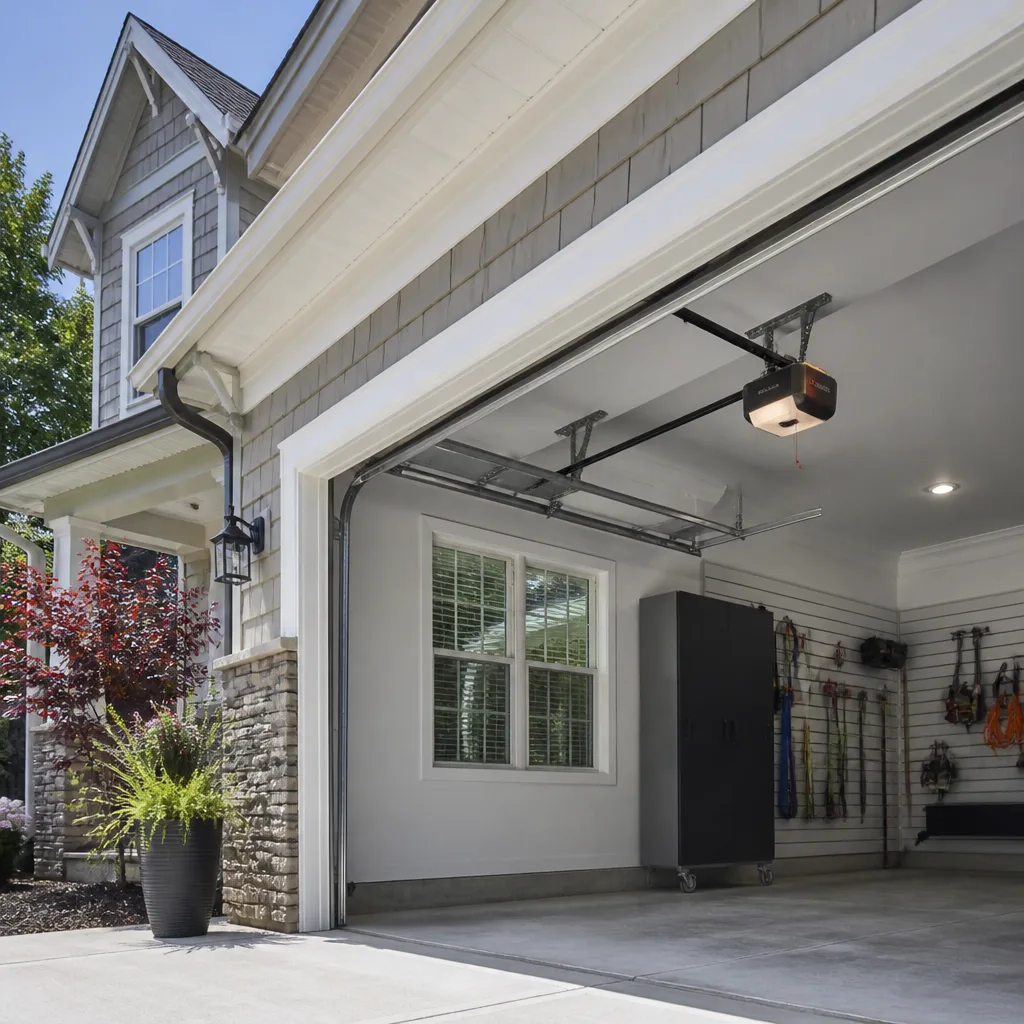 LiftMaster openers
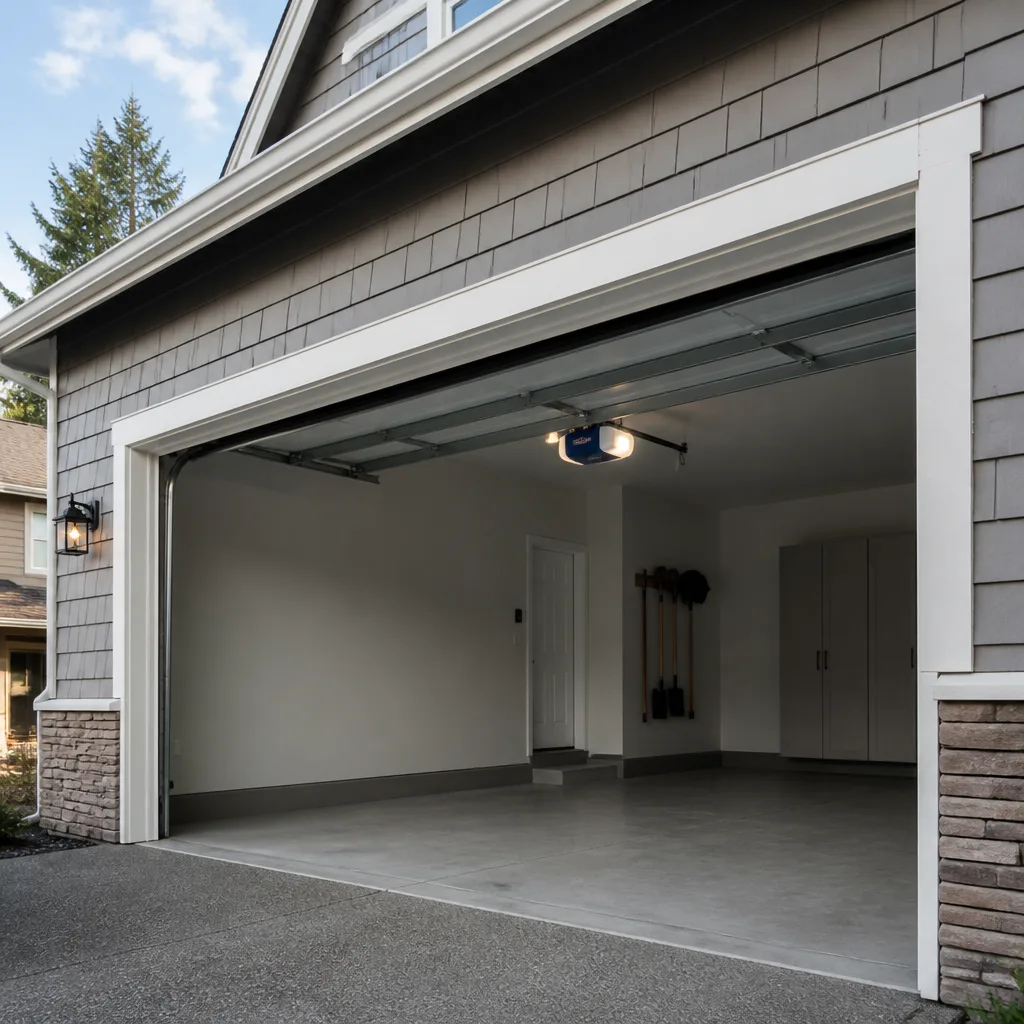 Chamberlain openers
Full 25-point door and opener safety check with every visit - springs, cables, rollers, tracks, and your LiftMaster or Chamberlain opener included
You get a price before we start. It does not change when the pro arrives.
Get your free estimateGarage Door Repair Maintenance Checklist for Strongsville Homeowners
Most garage door maintenance checklists read like they were written for a climate that doesn’t exist. They tell you to “lubricate moving parts” and “inspect hardware” without naming a product, a schedule, or the specific failure each step is supposed to prevent. In Strongsville, that vagueness costs homeowners real money every winter. The number-one call we get here isn’t a snapped spring in a snowstorm. It’s the owner who skipped one lubrication step in the fall and is now dealing with a roller that seized, cracked a hinge, and threw the whole door out of alignment. This guide is built around the failure patterns our technicians actually see in Strongsville homes, so you can spend your maintenance time on the checks that head off the repairs locals pay for most.
Quick Answer
A solid garage door maintenance routine for Strongsville means lubricating rollers, hinges, and the torsion spring with a lithium- or silicone-based garage door lubricant (never WD-40) every three to four months, testing the auto-reverse safety feature monthly, inspecting weatherstripping each spring and fall for Ohio’s humidity swings, and tightening the track and hinge hardware quarterly. Most of these checks take fifteen minutes and prevent the spring, roller, and opener failures that drive the majority of garage door repair calls in Strongsville.
Styles & brands we work with
- Raised-panel steel
- Carriage house
- Modern flush
- Full-view glass
- LiftMaster openers
- Chamberlain openers
Table of Contents
- The Right Lubricant (and the One That Ruins Springs)
- The Three Hardware Checks That Catch Most Failures Early
- How to Test Auto-Reverse Safely
- Weatherstripping and Ohio’s Humidity Swings
- A Strongsville Seasonal Calendar
- Keeping a Quarterly Maintenance Log
- Common Mistakes to Avoid
- Frequently Asked Questions
The Right Lubricant (and the One That Ruins Springs)
The single biggest maintenance mistake we see in Strongsville is grabbing a can of WD-40 for the torsion spring. WD-40 is a solvent and light penetrant, not a lubricant built for the loads a torsion spring carries. On a cold-weather climate like ours, it can strip the protective coating, attract grit, and leave the spring drier than it started. When temperatures drop into the teens and single digits in January, that dryness turns into friction, and friction is what fatigues a spring. The correct product for garage door hardware is a purpose-made garage door lubricant, typically lithium- or silicone-based, in a spray can or tube.
Here’s what goes where:
- Rollers: A drop on the roller stem and bearing surface. If you have nylon rollers, they need very little; steel rollers want a light coat.
- Hinges: A small amount at each pivot point. Don’t overdo it, since excess grease collects dust.
- Torsion spring: A light, even coating along the coil. This is the cold-weather step that matters most in Strongsville.
- Tracks: Nothing. Tracks should stay clean and dry. Lubricant on a track attracts grit and causes the door to bind.
- Lift cables: Nothing. Cables are not a lubrication point and shouldn’t be handled by anyone but a trained technician.
What to avoid on torsion springs specifically: WD-40, general-purpose silicone spray sold for household squeaks, white lithium grease in a squeeze tube (too thick for the coil in cold weather), and anything labeled “penetrating oil.” Look for a product that specifically names garage doors on the label. A three- to four-month reapplication schedule keeps hardware moving smoothly through an Ohio winter, and it’s the cheapest insurance you can buy against a spring failure.
A safety note: Lubricating the exterior of a torsion spring is safe. Adjusting, winding, or unwinding one is not. Torsion springs are stored energy under enormous tension, and the wrong move can cause serious injury. Leave anything involving the winding cone, the bars, or disassembly to a trained technician. If you notice a spring that looks rusty, gapped, or visibly sagging, don’t touch it. Call for an inspection. Our team handles garage door spring repair as one of its core services precisely because it’s a job most generalists won’t touch.
The Three Hardware Checks That Catch Most Failures Early
If you only do three things each quarter, do these. In our experience with Strongsville homes, these three checks catch the majority of impending failures before they turn into an emergency. They won’t find everything, but they’ll surface the problems that would otherwise show up as a broken door on the coldest morning of the year.
- Loose hinge and bracket bolts. Walk the length of the door and check every hinge and bracket bolt with a socket or wrench. The vibration of daily use loosens these over time, and a loose hinge is the first sign of a door that’s starting to work itself out of alignment. Snug them, don’t over-torque.
- Roller condition and track alignment. Look at each roller in the track. Worn rollers have flat spots, cracks, or a wobble that’s visible as the door moves. Then eyeball the vertical tracks with the door down. They should be straight and parallel. A track that’s been bumped (a car in the garage, a basketball, a bike) will pull rollers out of alignment, which accelerates wear on hinges and the opener.
- Door balance test. Disconnect the opener (pull the release cord) and lift the door about halfway by hand. It should stay put, more or less, without drifting down. If it drops on its own, the springs are losing tension. If it feels heavy or fights you going up, same story. A door that won’t hold position is putting extra strain on the opener and is a sign to schedule a spring check.
These three checks take about ten minutes. Add a visual inspection of the lift cables for fraying, rust, or kinks while you’re at it. Cables are a do-not-touch item, but noticing a problem early is how you avoid having one snap.
How to Test Auto-Reverse Safely
Your opener’s auto-reverse is the feature that sends the door back up when it meets an obstruction. It’s a safety system, and it’s the one thing on this list you should test every single month. Here’s the safe way to do it.
- Stand clear of the door’s path. Never put yourself, a child, or a pet under a moving door.
- Lay a piece of 2×4 lumber flat on the ground in the door’s path, at about the center.
- Close the door using the remote or wall button.
- Watch what happens when the door meets the board. It should reverse within a couple of inches of contact.
- If it doesn’t reverse, or barely does, stop using the door and call for service.
There’s also a photo-eye test. Most modern openers have a pair of small sensors near the floor on either side of the door. Break the beam with your foot while the door is closing. It should reverse immediately. If the beam test fails, clean the lenses first, and check that the sensors are lined up. A misaligned sensor is common after a bump. If cleaning and alignment don’t fix it, the sensor or wiring is failing.
What a failed auto-reverse test tells you about your opener is worth paying attention to. If the door won’t reverse but the photo-eye test passes, the opener’s force settings may be off, or the internal travel limits may have drifted. Both are signs the opener is aging past its reliable service window. If your opener is a LiftMaster, Chamberlain, Genie, Craftsman, or any of the other brands we service, we can usually tell you within a short diagnostic visit whether it’s a setting, a sensor, or a unit that needs replacing. That’s what our garage door opener repair visits are for. Never run a door with a failed safety reverse. That’s a hard stop, not something to “get to later.”
Weatherstripping and Ohio’s Humidity Swings
Ohio’s weather is hard on weatherstripping. Strongsville summers bring humid stretches that swell wood and soften seals, and winters bring hard freezes that crack vinyl and pull rubber away from its track. The strip along the bottom of the door, the one that meets the floor, and the strips along the sides and top all take a beating. Left alone, failed weatherstripping lets in water, cold air, and pests, and can eventually let water reach the door’s interior hardware.
Here’s how to tell whether to replace or re-seat:
- Re-seat: The strip is still pliable, has no cracks or tears, and has simply worked loose from the retainer. Push it back into its channel or reattach the retainer if the fasteners have backed out. This is a fifteen-minute job.
- Replace: The strip is brittle, cracked, flattened, torn, or has lost its flexibility. You’ll see daylight under the door or feel a draft along the sides. Once rubber hardens, it doesn’t come back, and no amount of pushing will restore the seal.
Check the bottom seal by closing the door and looking for light underneath. Check the side and top seals by running a hand along them for gaps. Do this in spring and again in fall, when the humidity is shifting and the seals are most likely to be pulling away from their retainers. If your door is a Clopay, Amarr, or Wayne Dalton model, replacement seals are widely available and matched to the door’s retainer profile, so replacing worn stripping is usually straightforward.
While you’re inspecting, look at the bottom of the door itself for rot or rust. Water that gets past a failed seal sits against the bottom panel and accelerates deterioration. If you see soft spots or bubbling paint, that’s a door problem, not a seal problem, and it’s worth a professional look.
A Strongsville Seasonal Calendar
Local maintenance works best when it follows the calendar. Here’s how we’d sequence the year for a Strongsville home, based on what fails when.
- Late fall (October, before the first hard freeze): Lubricate the torsion spring, rollers, and hinges with a garage door lubricant. This is the single most important step of the year in our climate. Inspect the bottom seal for gaps and cracks before snow, ice, and salt start working their way in. Test the auto-reverse.
- Midwinter (January, February): Test the auto-reverse again. Listen for grinding or squealing as the door moves, which means a roller or hinge is dry. Keep the tracks clear of ice and snow buildup at the floor.
- Early spring (March, April): Re-lubricate. Check the weatherstripping after the freeze-thaw cycle, when seals often pull away from their retainers. Look for rust on hinges and cables. Tighten any loose bolts.
- Summer (June, July, August): Test the auto-reverse. Watch for humidity-related swelling around the door frame, especially on older wood-frame installs. Check the balance of the door by hand.
- Early fall (September): Repeat the spring hardware check before the cold season. This is the run-up to the most important lubrication of the year.
That’s four lubrication passes, twelve safety tests, and two weatherstripping inspections per year. None of it is complicated. All of it is cheaper than the repairs it prevents.
Keeping a Quarterly Maintenance Log
A maintenance log is a simple habit with two real returns. First, it tells you when you last lubricated or tested something, so you don’t guess. Second, it documents the care of a major home system, and that documentation is useful when you sell the house. A well-kept log shows a buyer that the garage door has been maintained, not neglected. For a Strongsville home going on the market, that’s a small but real signal of overall stewardship.
Here’s a printable format you can copy into a notebook or a spreadsheet. Four rows per year:
- Date: When the check happened.
- Lubricated? Spring, rollers, hinges, tracks (tracks should read “no”).
- Auto-reverse test: Pass or fail, with a note about which test (board or photo-eye).
- Weatherstripping: Checked, re-seated, or replaced.
- Hardware check: Any loose hinges, worn rollers, or track issues noted?
- Balance: Does the door hold position when disconnected?
- Service calls: Date, description, brand of door and opener, work performed.
If you bring in a professional for a repair or a tune-up, note the brand of your door and opener on the log. Clopay, Amarr, Wayne Dalton, LiftMaster, Chamberlain, Genie, Craftsman, and Raynor are the brands our team works on, and knowing yours makes future service faster and simpler. If you’re not sure what you have, take a photo of the door’s hinge plate and the opener’s label. That’s usually enough for us to identify the system over the phone.
When to Call a Professional
Some checks are for you. Some are for a trained technician, and knowing the difference is the most important maintenance skill there is. Call a professional for anything involving the torsion spring, lift cables, the winding cone, opener force settings, or a door that has come off its track. Those are the jobs that cause serious injury when a homeowner attempts them without training or the right tools, and they’re the jobs that don’t fail gracefully. Call for service right away if the door won’t reverse, if a cable is frayed or kinked, if a spring looks rusted or gapped, or if the door feels heavy to lift by hand. And call if the door won’t close at night or won’t open to let a car out, since those situations don’t wait for a regular appointment.
Strongsville Garage Door Repair Pros offers free estimates in Strongsville. We specialize only in garage door work, we service LiftMaster, Chamberlain, Genie, Clopay, Amarr, Wayne Dalton, Craftsman, and Raynor systems, and we’re upfront about whether a repair or a replacement actually makes sense. Call (855) 819-6202.
Common Mistakes to Avoid
- Using WD-40 on the torsion spring. It’s the most common lubricant mistake we see in Strongsville, and it makes spring friction worse in cold weather. Use a purpose-made garage door lubricant instead.
- Lubricating the tracks. Tracks need to stay dry and clean. Lubricant grabs grit, and grit binds the rollers.
- Skipping the fall lubrication. The October pass before the first freeze is the one that matters most in our climate. Skip it and the failures tend to show up in January.
- Never testing auto-reverse. A door that doesn’t reverse is a safety hazard, not an inconvenience. Test it monthly with a 2×4, and stop using the door if it fails.
- Ignoring weatherstripping after a freeze. Ohio’s freeze-thaw cycle pulls seals away from their retainers every year. Check in spring and fall, and replace the strip once it’s brittle.
- Tightening hinges with too much force. Over-torquing strips threads and can crack the hinge. Snug is enough.
- Forgetting to note the door and opener brand in a log. When you do need service, a missing model number is the difference between a quick phone call and a slow diagnostic. Write it down.
See the difference
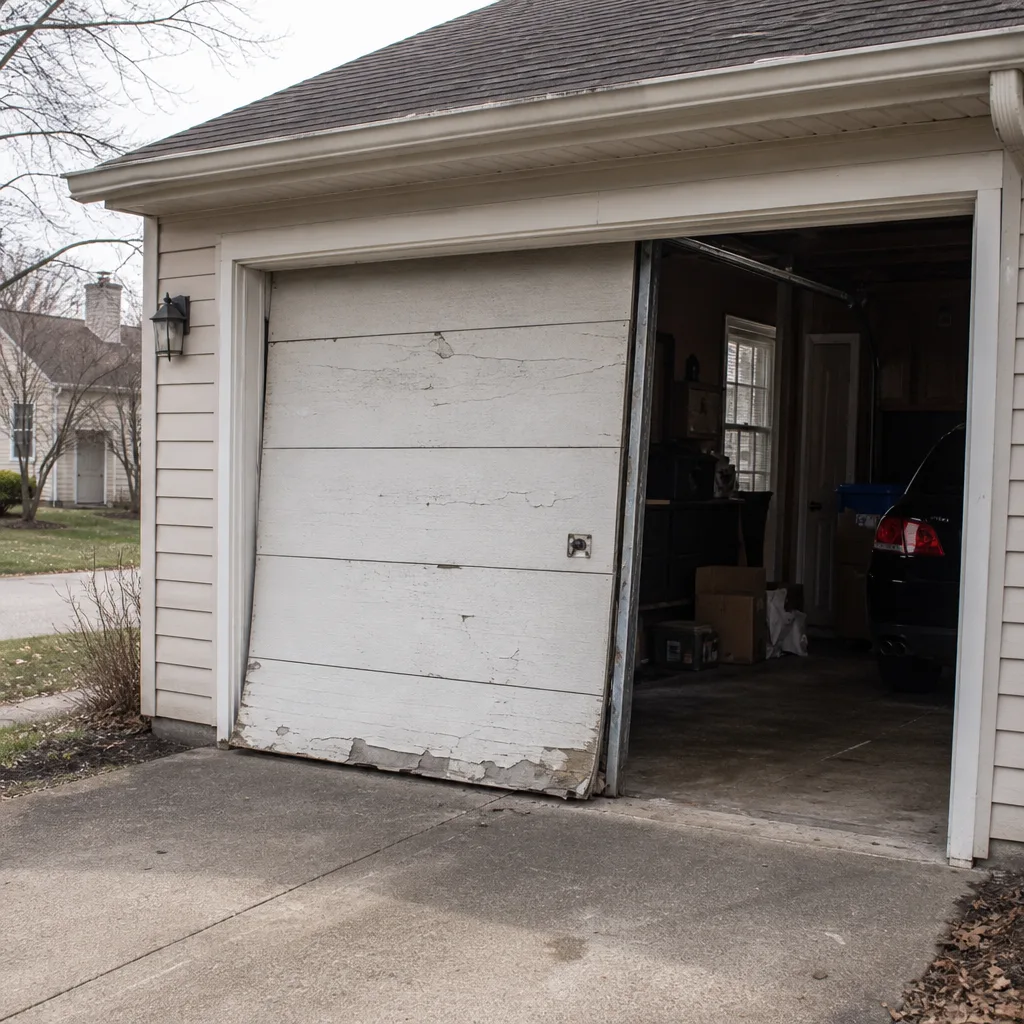 Before
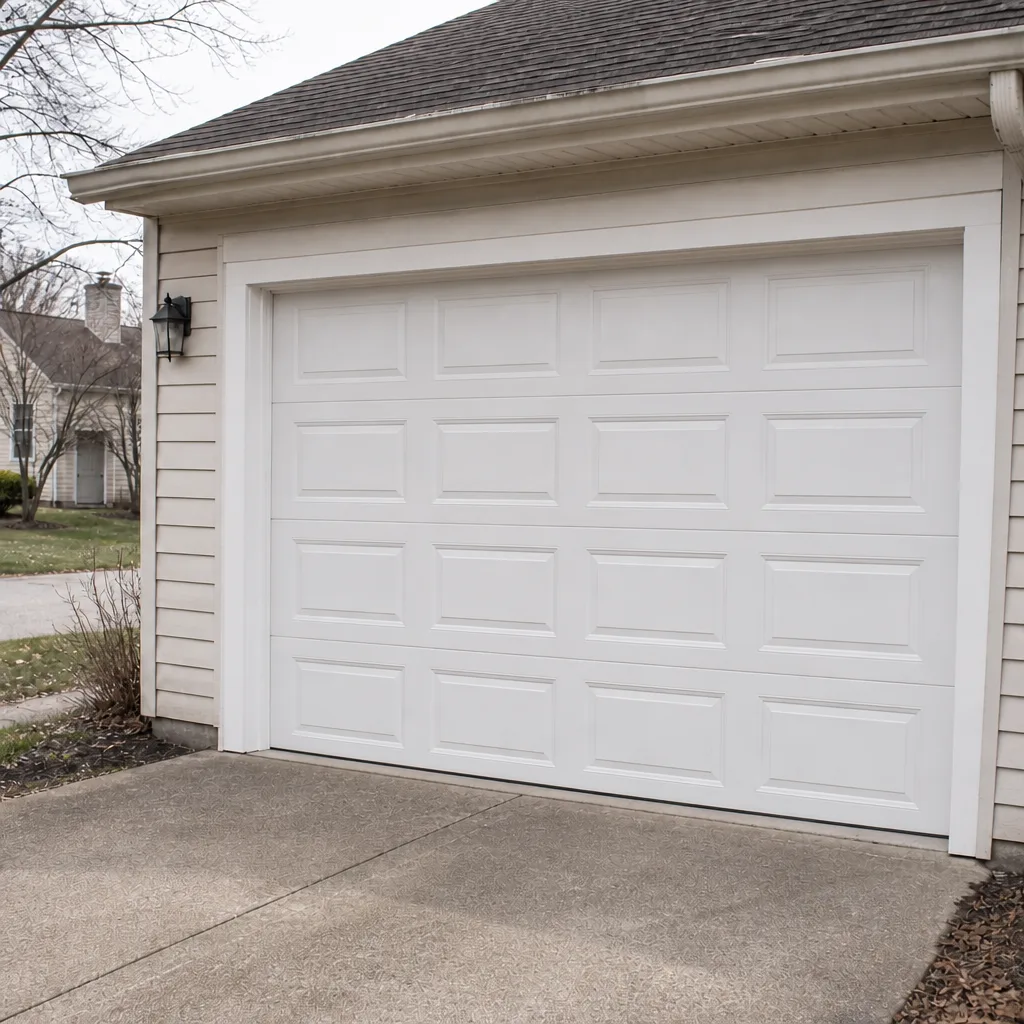 After
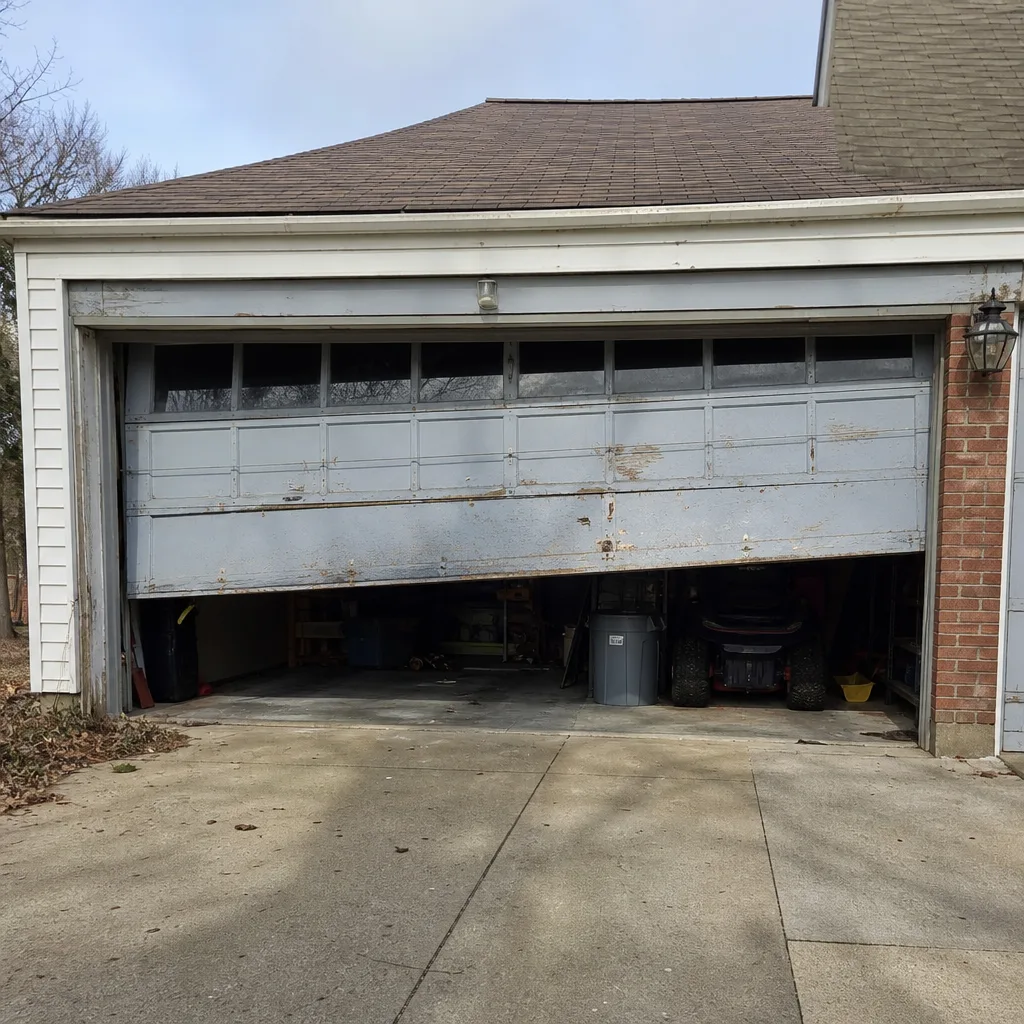 Before
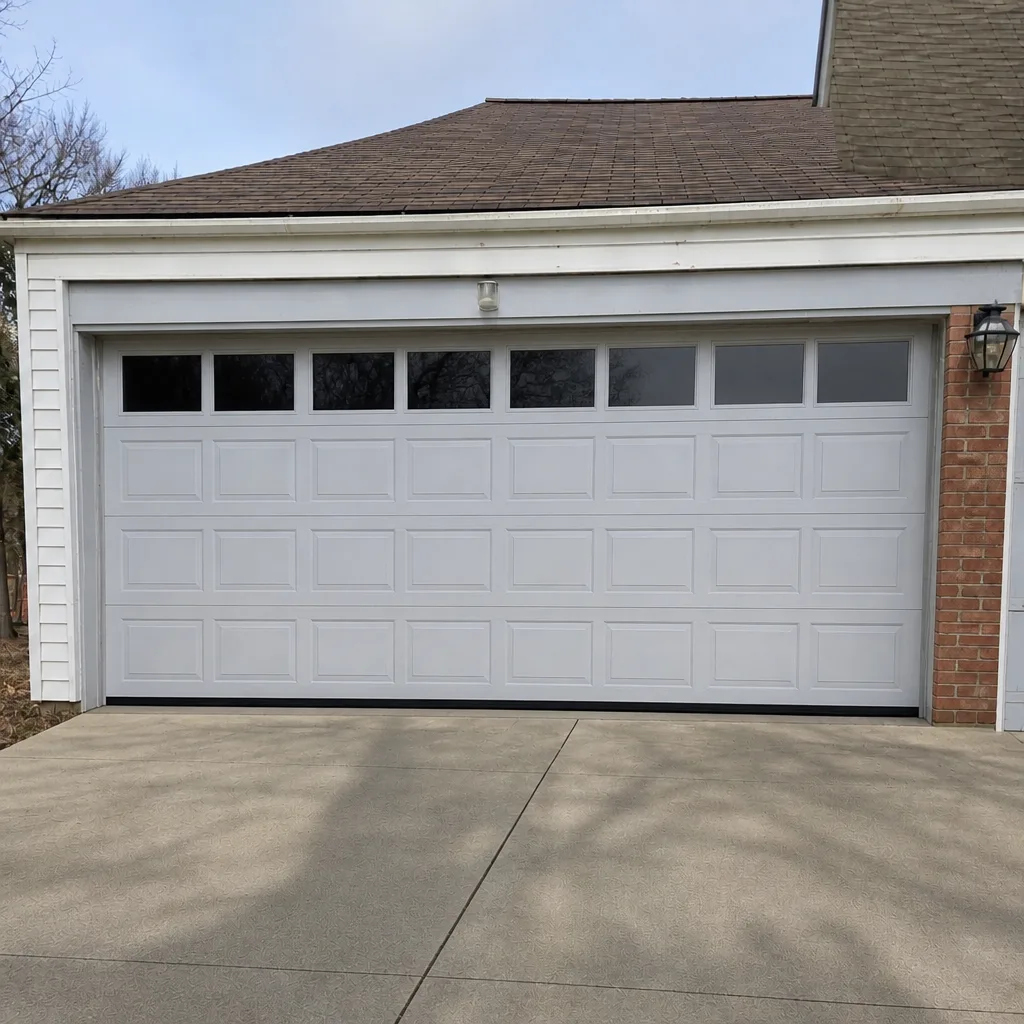 After
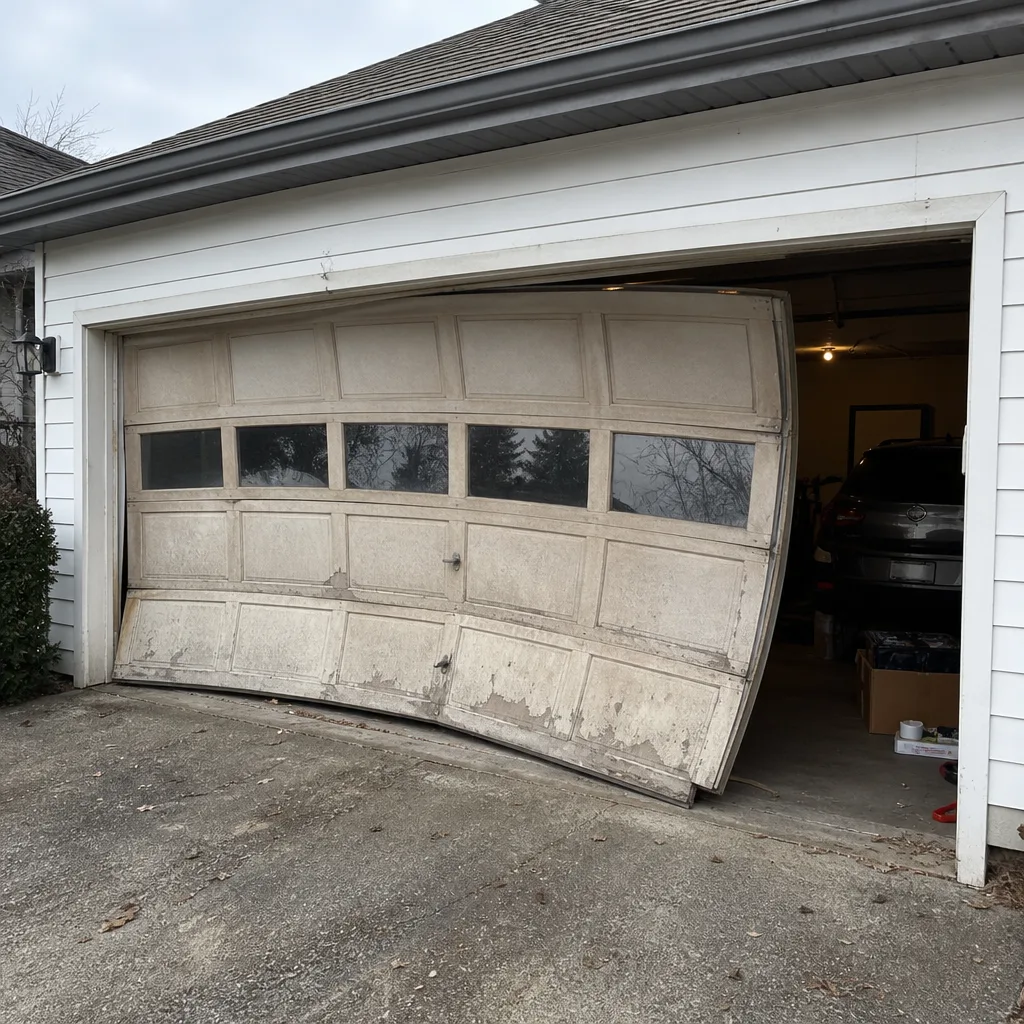 Before
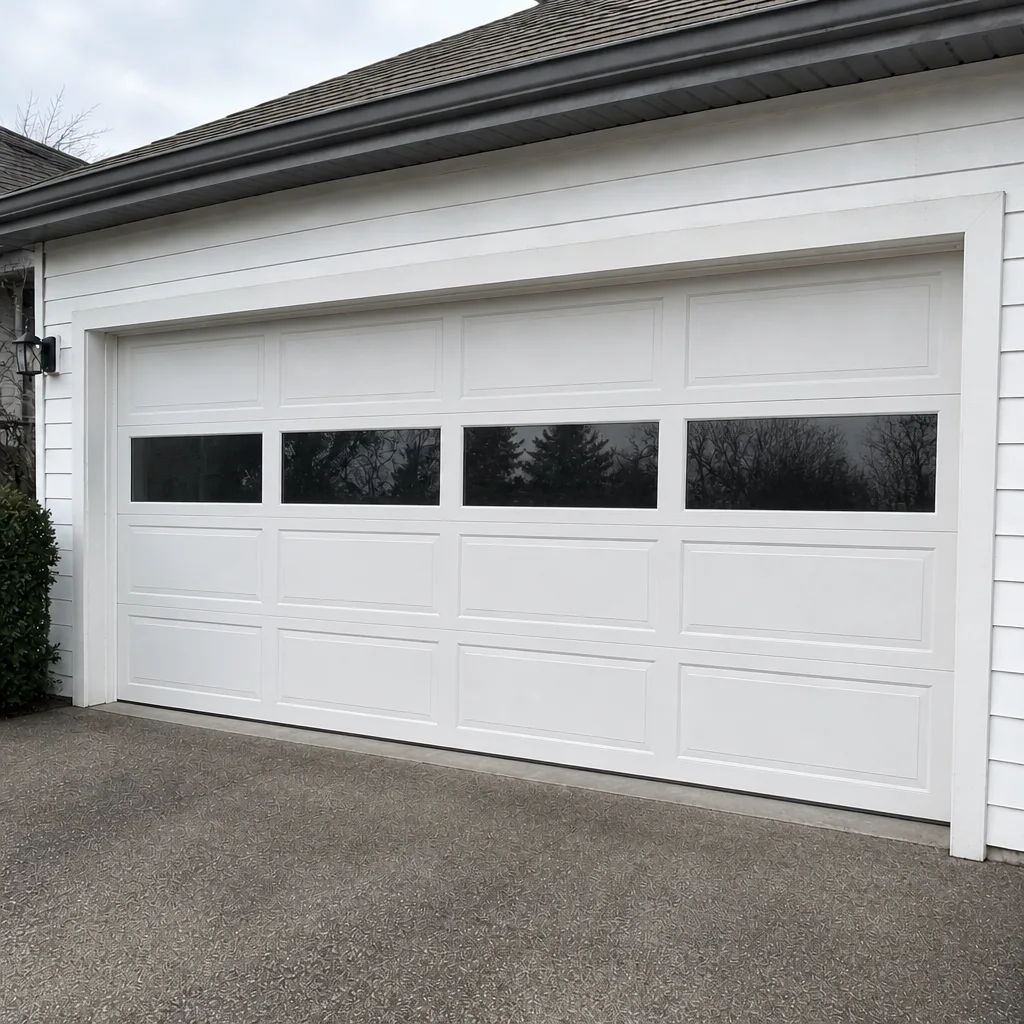 After
Frequently Asked Questions
Every three to four months, with an extra pass in late fall before the first hard freeze. That’s roughly four times a year. The October pass is the most important one in our climate, because it prepares the spring, rollers, and hinges for the cold and dry air of winter, when friction is highest.
A purpose-made garage door lubricant, either lithium-based or silicone-based, in a spray or tube. WD-40 is the wrong product for a torsion spring. It’s a light penetrant, not a load-bearing lubricant, and on a cold-weather spring it strips coating and leaves the coil drier than before. Look for a can labeled specifically for garage doors.
Lay a 2×4 flat on the ground in the door’s path, close the door, and watch it reverse within a couple of inches of contact. Then test the photo-eye beam by breaking it with your foot while the door closes. Both should reverse the door. If either fails, stop using the door and call for service.
Replace it when it’s brittle, cracked, torn, or flattened. Re-seat only when the strip is still pliable and has simply worked loose from its retainer. Strongsville’s humidity swings and hard freezes harden vinyl and rubber quickly, so inspect in spring and again in fall and replace once it loses flexibility.
We work on eight major lines: LiftMaster, Chamberlain, Genie, Clopay, Amarr, Wayne Dalton, Craftsman, and Raynor. That covers most of what’s installed in Strongsville homes, so diagnosis and repair don’t hit a “we don’t service that brand” dead end. If you’re not sure what’s on your door, we can identify it from a photo.
For repair and emergency calls in Strongsville, often yes. We keep emergency garage door service available for situations that can’t wait, like a door that won’t close at night or won’t open to let a car out. For installation and full replacement, the work is measured, ordered, and scheduled rather than rushed, and we’ll give you a written estimate before anything begins.
The Bottom Line
Garage door maintenance in Strongsville comes down to a short list done consistently: lubricate the spring, rollers, and hinges with the right product four times a year; test the auto-reverse monthly with a board and your foot; inspect the weatherstripping each spring and fall for Ohio’s humidity swings; check the balance and hardware quarterly; and log it all. Those steps prevent the failures locals actually pay for, and none of them requires a toolbox full of specialty tools. When a task crosses into spring, cable, or opener internals, stop and call a specialist. We handle garage door repair and everything around it, including garage door installation when a replacement makes more sense than a fix. Our technicians have up to 8 years of experience, and we’ll tell you plainly which route is right for your door. Start with Strongsville Garage Door Repair Pros or call (855) 819-6202 for a free estimate, and we’ll get your door back on a maintenance schedule that holds up through an Ohio winter.
Written by the team at Strongsville Garage Door Repair Pros.